12 Non-Spicy Korean Foods for Travelers
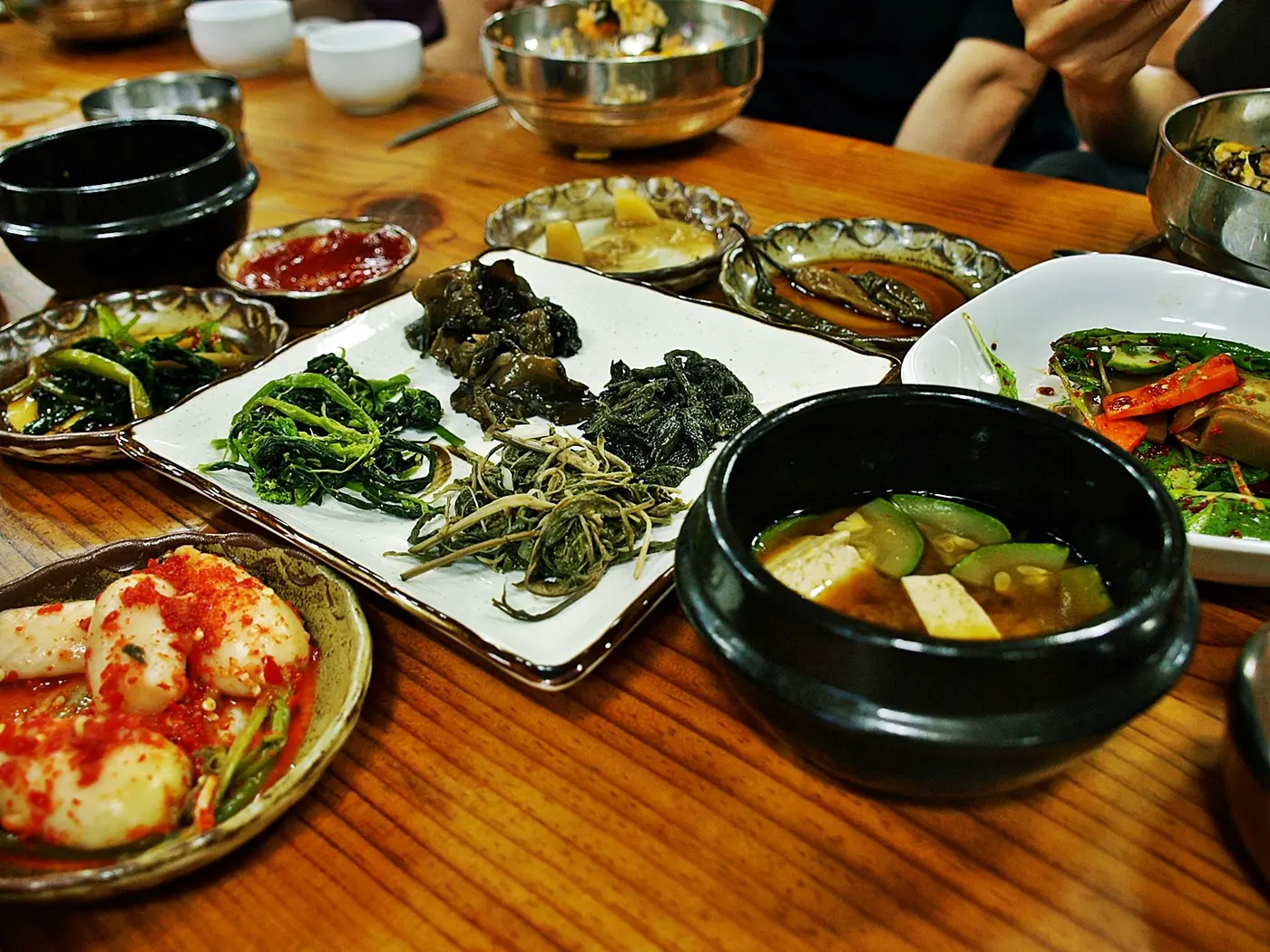
Introduction to Mild Korean Flavors
Korean cuisine is famous for its bold, spicy flavors, but not every dish burns your tongue. If you’re traveling to Korea and prefer to avoid heat, this guide introduces 12 non-spicy Korean dishes that are flavorful, approachable, and perfect for first- or second-time visitors. These dishes showcase Korea’s culinary diversity—from grilled meats and cold noodles to comforting stews and sweet desserts—without relying on fiery chili peppers.
Ordering Korean food can be a little daunting if you’re unsure about spice levels, hidden ingredients, or dining etiquette. This article will help you navigate menus confidently, understand common pitfalls like unexpected mustard or kimchi heat, and know which dishes suit vegetarians, kids, and those avoiding spice.
1. Bulgogi (불고기)
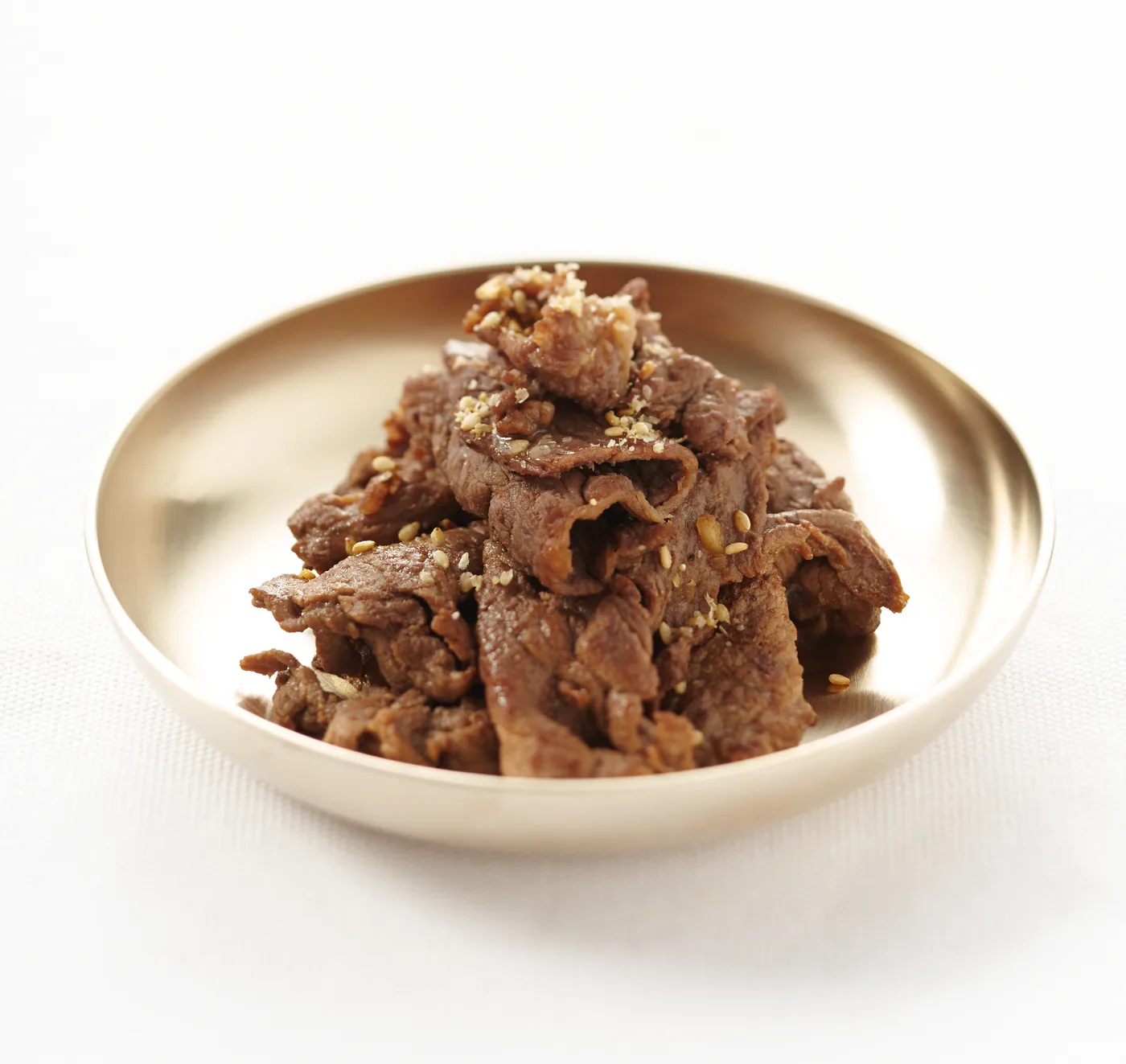
Photo: 국립국어원, Wikimedia Commons, CC BY-SA 2.0 kr; resized and converted to WebP.

Bulgogi is thinly sliced beef marinated in a sweet and savory blend of soy sauce, sugar or pear juice, garlic, and sesame oil. It’s tender and mildly flavored, making it a great introduction to Korean meat dishes without spice. Bulgogi may be served grilled, sizzling on a hot plate, or simmered with mushrooms and glass noodles.
When ordering, expect it to come with rice and an array of banchan (side dishes). You can eat it as is or wrap pieces in lettuce leaves with a dab of ssamjang (a savory bean paste)—but note ssamjang can sometimes have a slight kick, so ask for it on the side if you want to control heat. Bulgogi’s natural sweetness is intentional, so don’t be surprised if it tastes sweeter than expected.
This dish suits most adults and children who enjoy mild, familiar flavors. It’s not vegetarian, but it’s a safe choice for those avoiding spice.
2. Bibimbap (비빔밥)
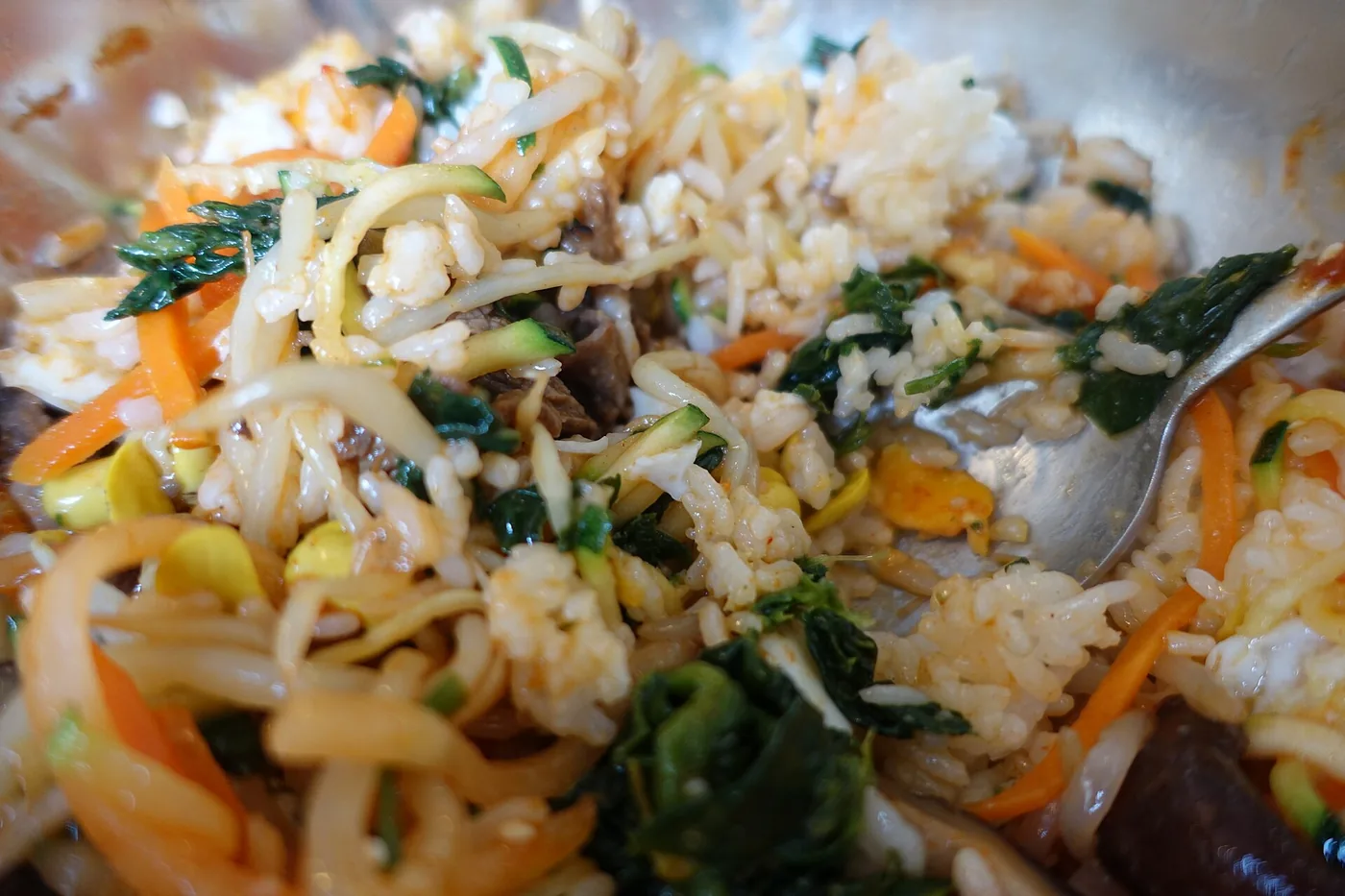
Photo: Guilhem Vellut from Paris, France, Wikimedia Commons, CC BY 2.0; resized and converted to WebP.

Bibimbap means “mixed rice” and is a colorful bowl of rice topped with seasoned vegetables, a fried or raw egg, and often beef. The key to enjoying bibimbap is mixing everything thoroughly, usually with a spoon, to combine flavors and textures.
Though bibimbap is often served with gochujang (red chili paste), you can ask for it on the side or omit it entirely for a non-spicy meal. Some versions come in a hot stone bowl (dolsot bibimbap), which crisps the rice at the bottom for added texture.
Vegetarians should be cautious: the vegetables may be cooked in meat broth or seasoned with fish sauce, and the egg is not vegan. Confirm the ingredients if you avoid animal products. Bibimbap is a balanced dish suitable for kids and adults alike, especially when you control the chili paste addition.
3. Gimbap (김밥)
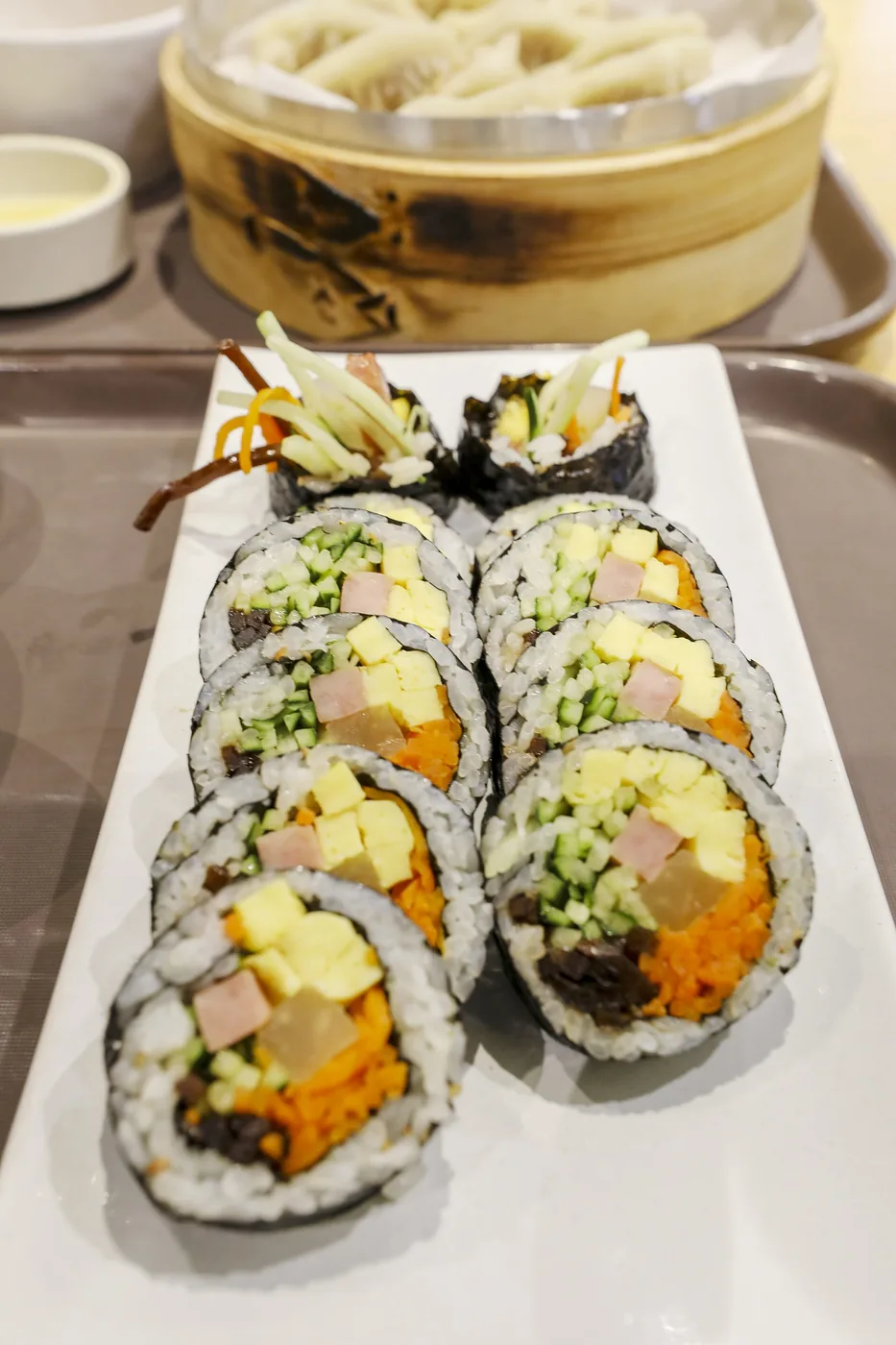
Photo: bryan…, Wikimedia Commons, CC BY-SA 2.0; resized and converted to WebP.

Gimbap looks like sushi but is quite different. It’s rice and assorted fillings rolled in seaweed and sliced into bite-sized pieces. Common fillings include egg, pickled radish, spinach, carrot, and ham. Variations with tuna, bulgogi, or cheese are also popular.
This dish is perfect for a quick snack, picnic, or light meal. Eat each piece whole to avoid fillings spilling out. If you’re vegetarian, ask specifically for yachae gimbap (vegetable gimbap), but be aware that some vegetable-looking rolls may still contain fish cake or ham. The rice is seasoned with sesame oil and salt, not vinegar like sushi rice.
Gimbap is mild and kid-friendly but not vegan unless confirmed. It’s a great non-spicy option for travelers on the go.
4. Japchae (잡채)
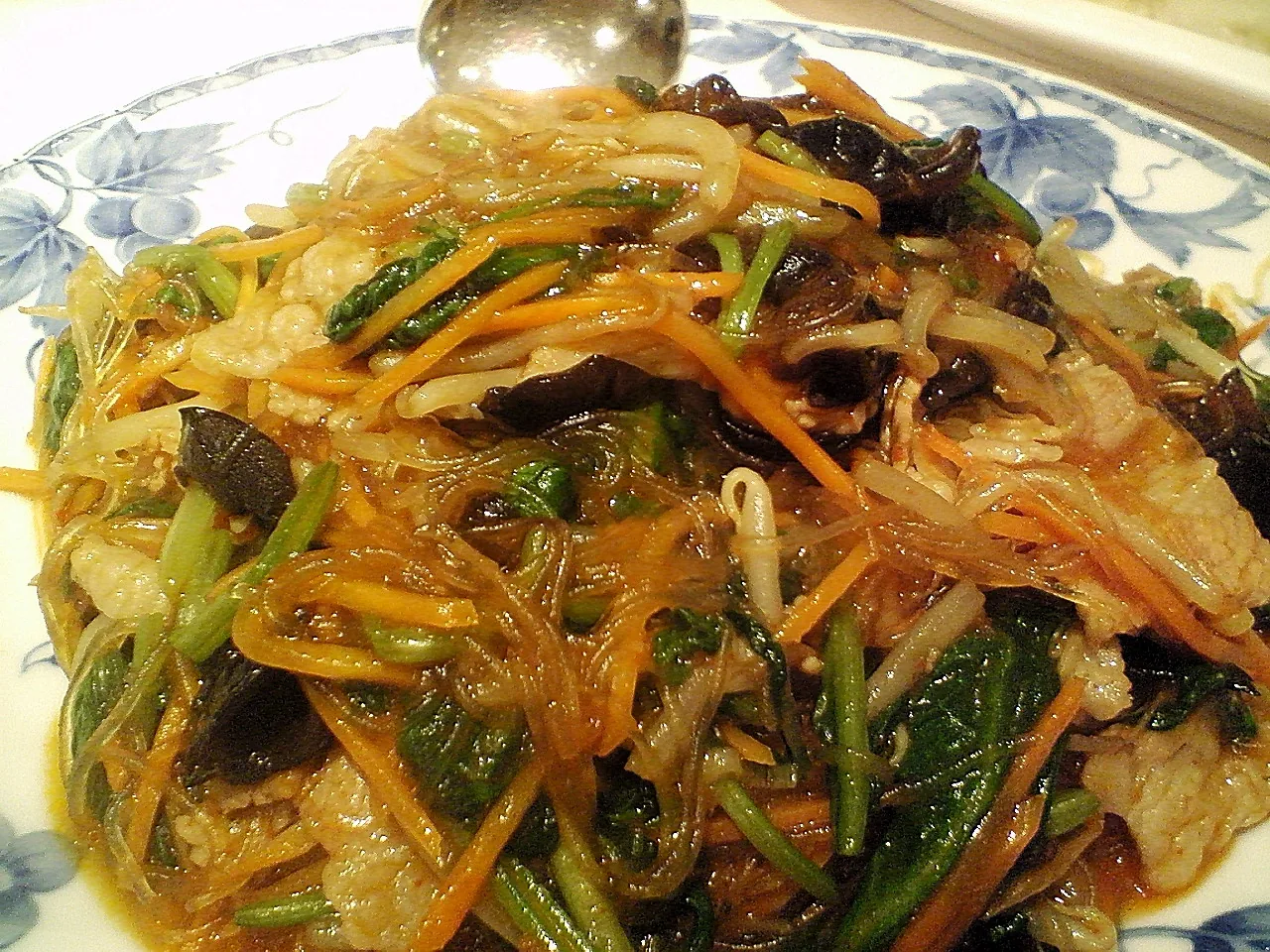
Photo: by snak (a flickr user), Wikimedia Commons, CC BY 2.0; resized and converted to WebP.

Japchae features translucent, chewy noodles made from sweet potato starch, stir-fried with vegetables, mushrooms, and often thin strips of beef. The dish is seasoned with soy sauce and sesame oil, giving it a lightly sweet and savory flavor without heat.
Japchae is often served as a shared side dish or at celebrations but can also be a main meal. It’s mild and approachable, making it suitable for children and those sensitive to spice. However, it’s not vegan by default, as beef is common and the sauce may contain animal-based ingredients.
Enjoy japchae with chopsticks and share it among your group for a pleasant break from spicier foods.
5. Naengmyeon (냉면)
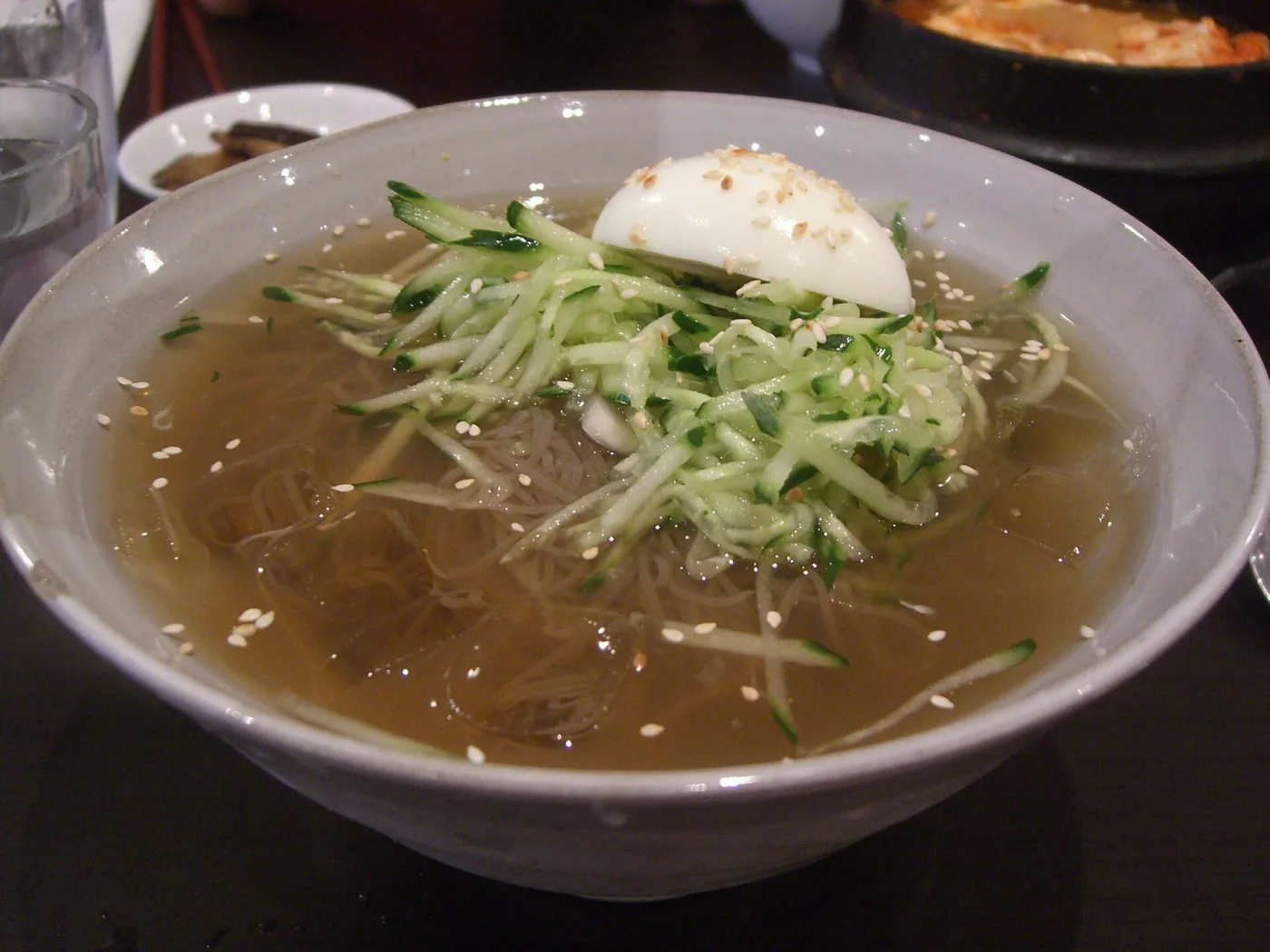
Photo: by avlxyz, Wikimedia Commons, CC BY-SA 2.0; resized and converted to WebP.

Naengmyeon is a refreshing cold noodle dish, perfect for warm days or after a heavy meal. It consists of long, chewy buckwheat noodles served in a chilled, lightly tangy broth (mul naengmyeon) or mixed with a spicy red sauce (bibim naengmyeon).
For a non-spicy experience, choose mul naengmyeon and add mustard or vinegar sparingly, as mustard can be surprisingly sharp. The broth is mild but flavorful, often made from beef or chicken stock. The noodles can be slippery and elastic—restaurants sometimes provide scissors to cut them for easier eating.
Naengmyeon is a unique Korean dish that’s gentle on the palate but not vegetarian due to the broth. Kids may find the cold temperature unusual but generally enjoy the chewy noodles.
6. Doenjang jjigae (된장찌개)
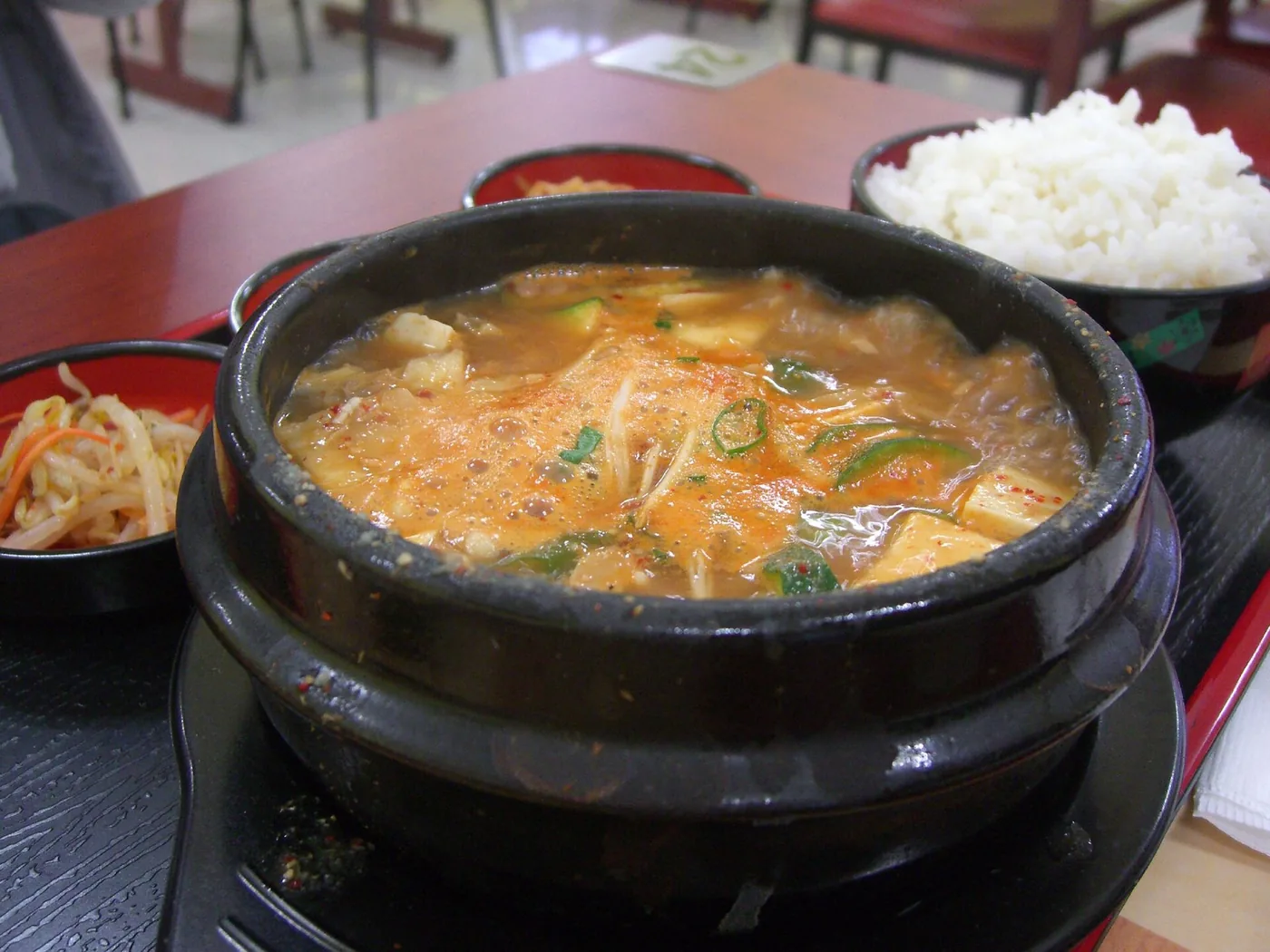
Photo: Alpha, Wikimedia Commons, CC BY-SA 2.0; resized and converted to WebP.

Doenjang jjigae is a hearty stew made with fermented soybean paste, tofu, zucchini, mushrooms, and onions. Its flavor is earthy, salty, and deeply comforting without any chili heat. This stew is a staple of Korean home cooking and often served near the end of a BBQ meal.
Although doenjang is plant-based, the broth frequently contains anchovy or meat stock, so vegetarians should ask before ordering. The tofu and vegetables make it a good choice for those wanting a filling but mild dish.
Eat it with rice to balance the strong flavors, and be mindful that the stew can be salty. It’s a warming option suitable for all ages.
7. Samgyetang (삼계탕)
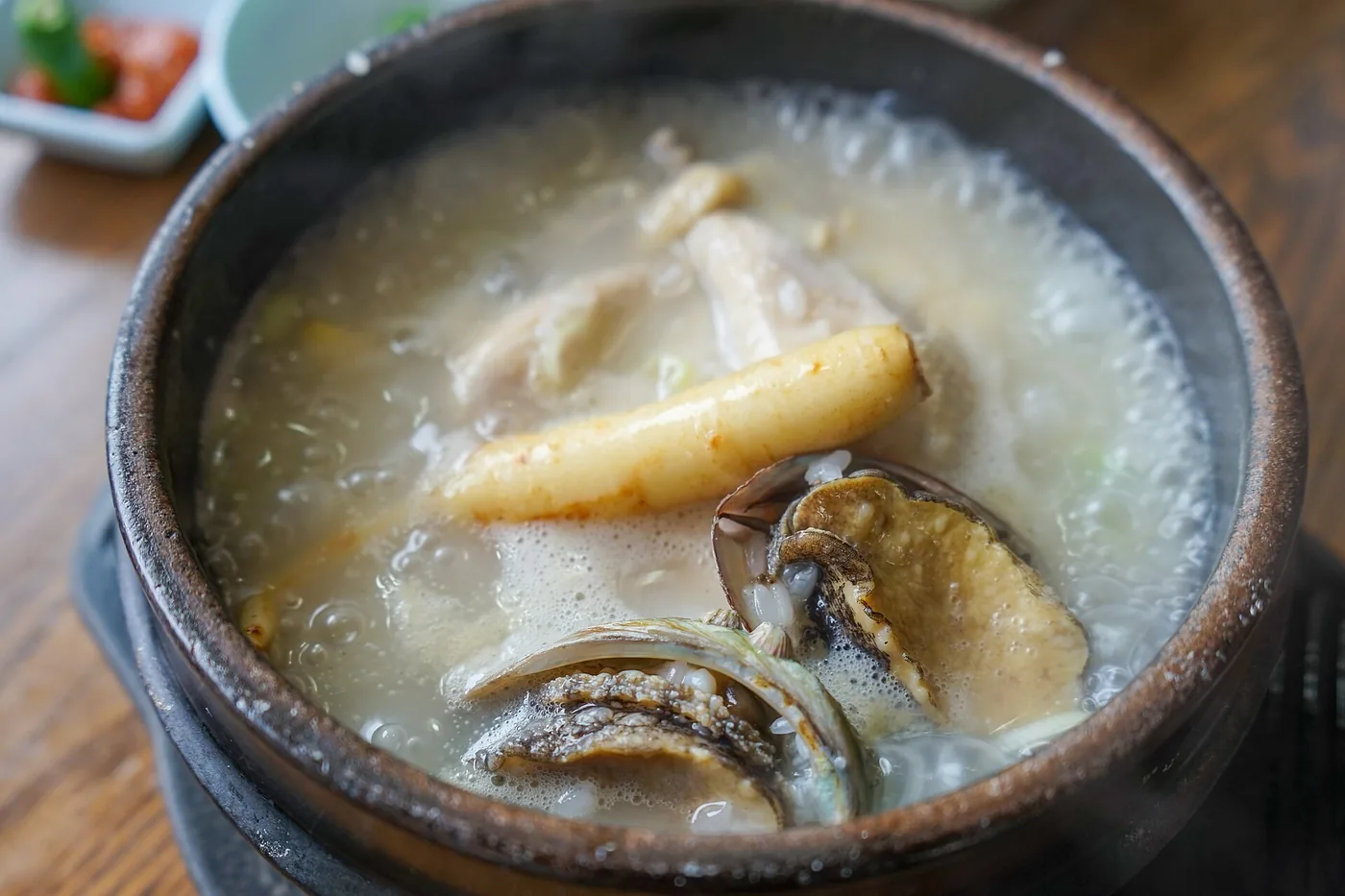
Photo: 채지형 (Chae Ji-hyung), Wikimedia Commons, CC BY 4.0; resized and converted to WebP.

Samgyetang is a nourishing soup featuring a whole young chicken stuffed with glutinous rice, garlic, jujube (Korean dates), and ginseng. The broth is clear, mild, and free from chili, making it a gentle yet flavorful dish.
Salt and pepper are served on the side, allowing you to season each bite to taste. The chicken is tender and easy to pull apart, but watch out for small bones, especially when sharing with children.
Traditionally eaten in summer to restore energy, samgyetang is available year-round. It’s a complete meal in one bowl, ideal for those seeking a non-spicy, protein-rich dish.
8. Seolleongtang (설렁탕)
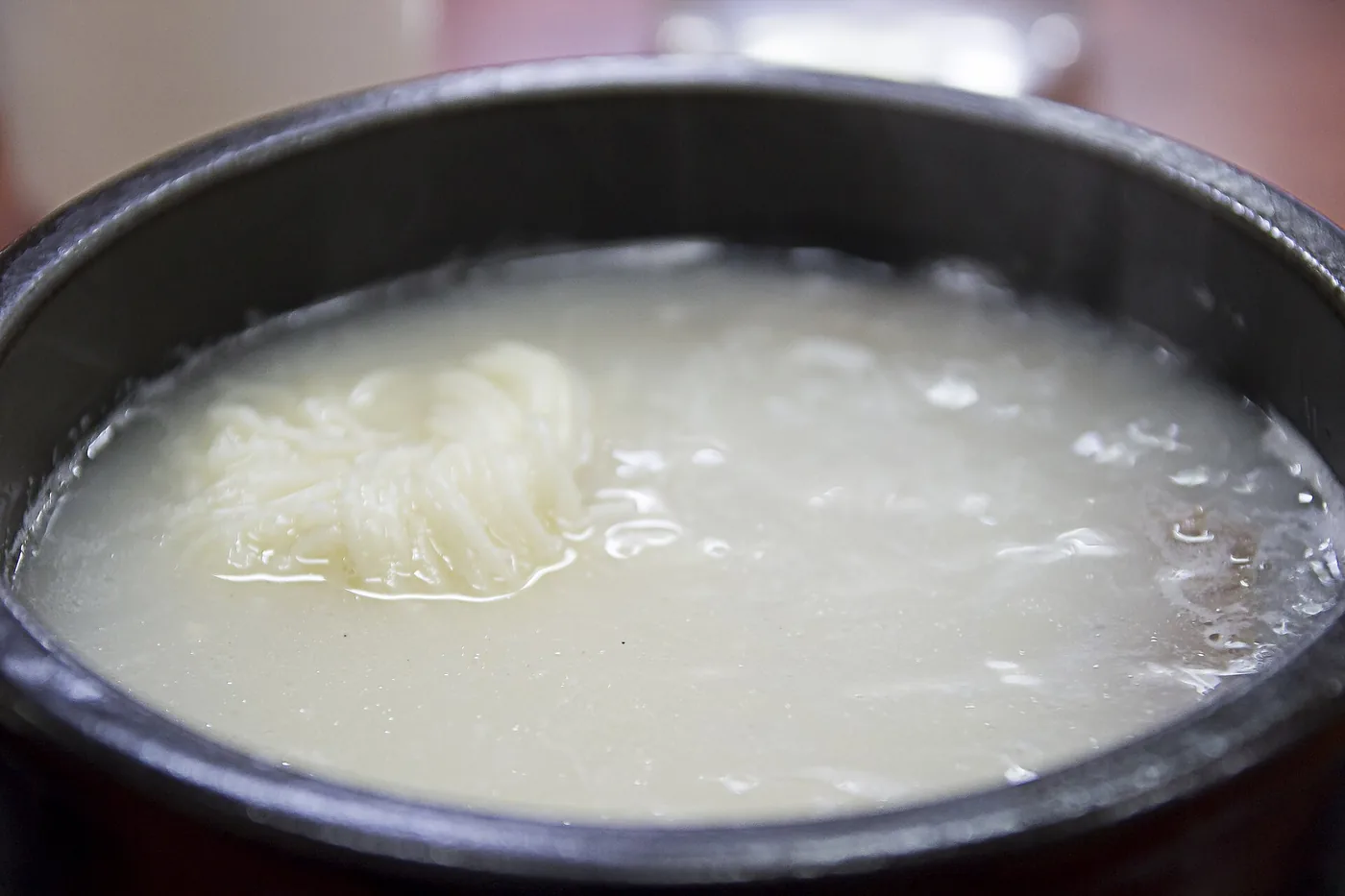
Photo: Shene81, Wikimedia Commons, CC BY 3.0; resized and converted to WebP.
.jpg)
Seolleongtang is a milky-white soup made by simmering ox bones and beef for many hours. It arrives unseasoned, with salt, pepper, and chopped green onions on the table so you can adjust the flavor yourself.
This soup is gentle, warming, and not spicy—perfect for breakfast, a light lunch, or recovery after a night out. It’s typically served with rice either on the side or in the soup itself. Adding kkakdugi (radish kimchi) provides a crunchy, slightly tangy contrast, but note that kimchi can be spicy.
Seolleongtang is a beef dish, so vegetarians should avoid it. Its mildness makes it suitable for children and those sensitive to strong flavors.
9. Eomuk (어묵)
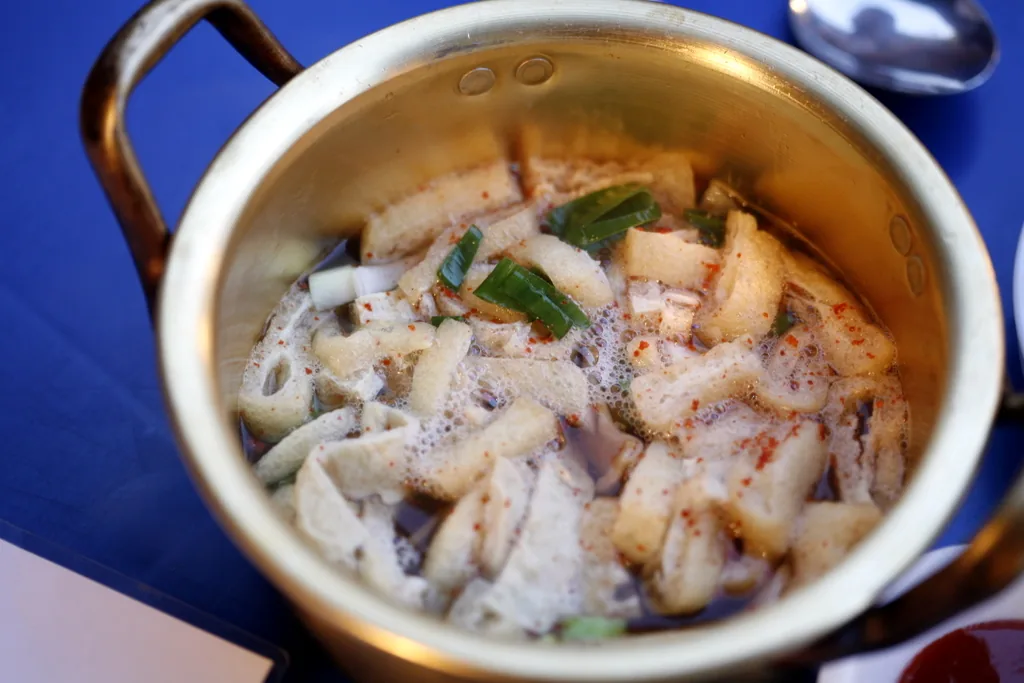
Photo: Charles Haynes, Wikimedia Commons, CC BY-SA 2.0; resized and converted to WebP.

Eomuk is a popular street snack made from seasoned fish paste shaped into thin sheets or cakes, folded onto skewers, and warmed in a light, savory broth. It’s salty but mild, much less spicy than nearby tteokbokki stalls.
At street vendors, you typically eat eomuk standing up, sipping the broth from a paper cup. The fish cakes contain seafood and often wheat and soy, so it’s not vegetarian or gluten-free.
Eomuk is comforting on chilly days and a great snack for kids, but be mindful of potential allergens and the broth’s saltiness.
10. Mandu (만두)
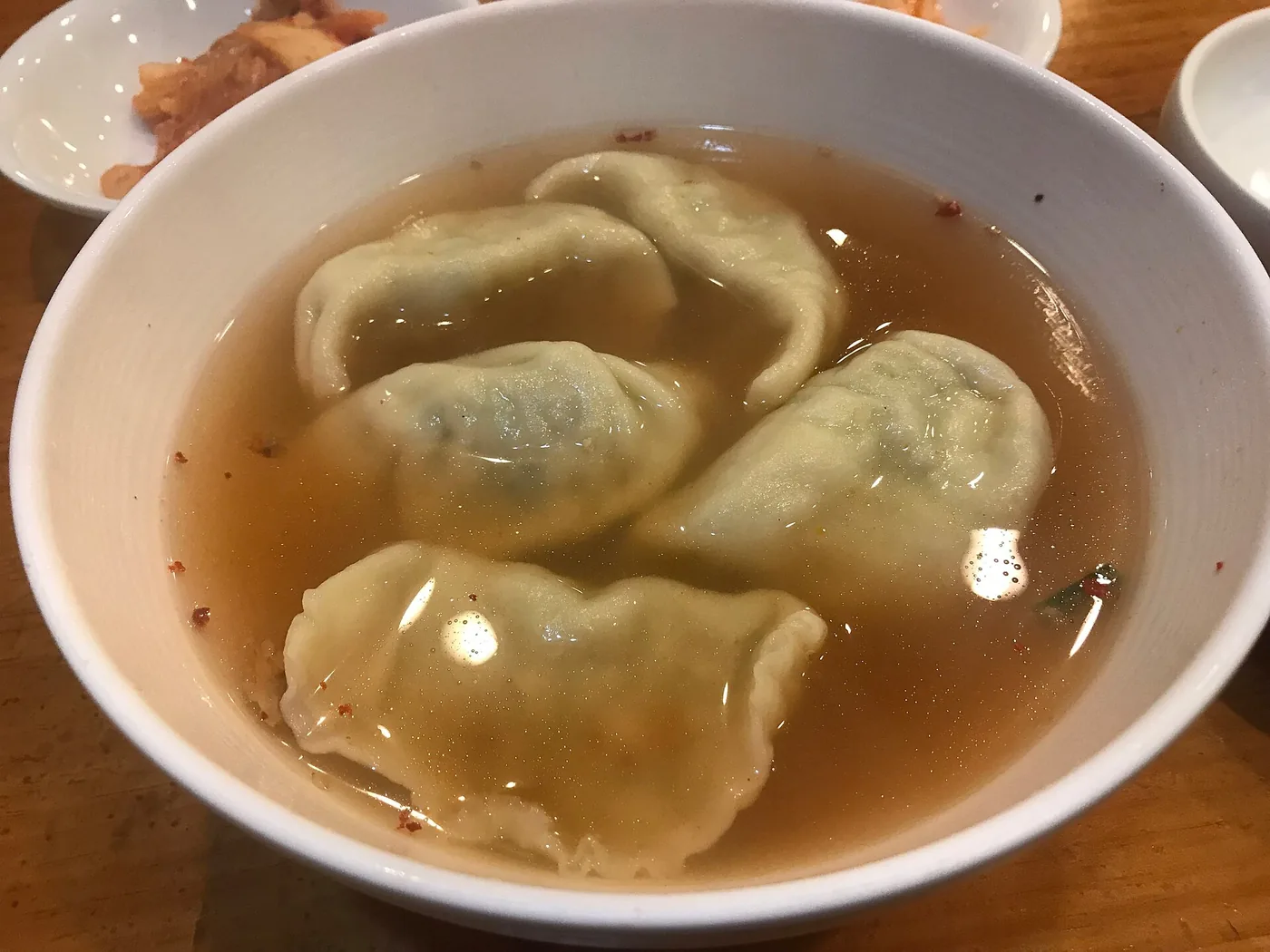
Photo: lazy fri13th, Wikimedia Commons, CC BY 2.0; resized and converted to WebP.

Mandu are Korean dumplings filled with combinations of pork, tofu, vegetables, kimchi, and glass noodles. They come steamed (jjin mandu), pan-fried (gun mandu), or in soup (mandu-guk). Meat mandu tend to be milder and juicier, while kimchi mandu are sharper and spicier.
For a first try, order a mixed plate to experience different fillings and cooking styles. Dumplings are usually dipped lightly in soy-vinegar sauce, which can be ordered on the side to control saltiness and spice.
Vegetable mandu exist but may contain egg or animal broth, so vegans should inquire carefully. The wrappers contain wheat, so mandu are not gluten-free.
11. Jajangmyeon (짜장면)
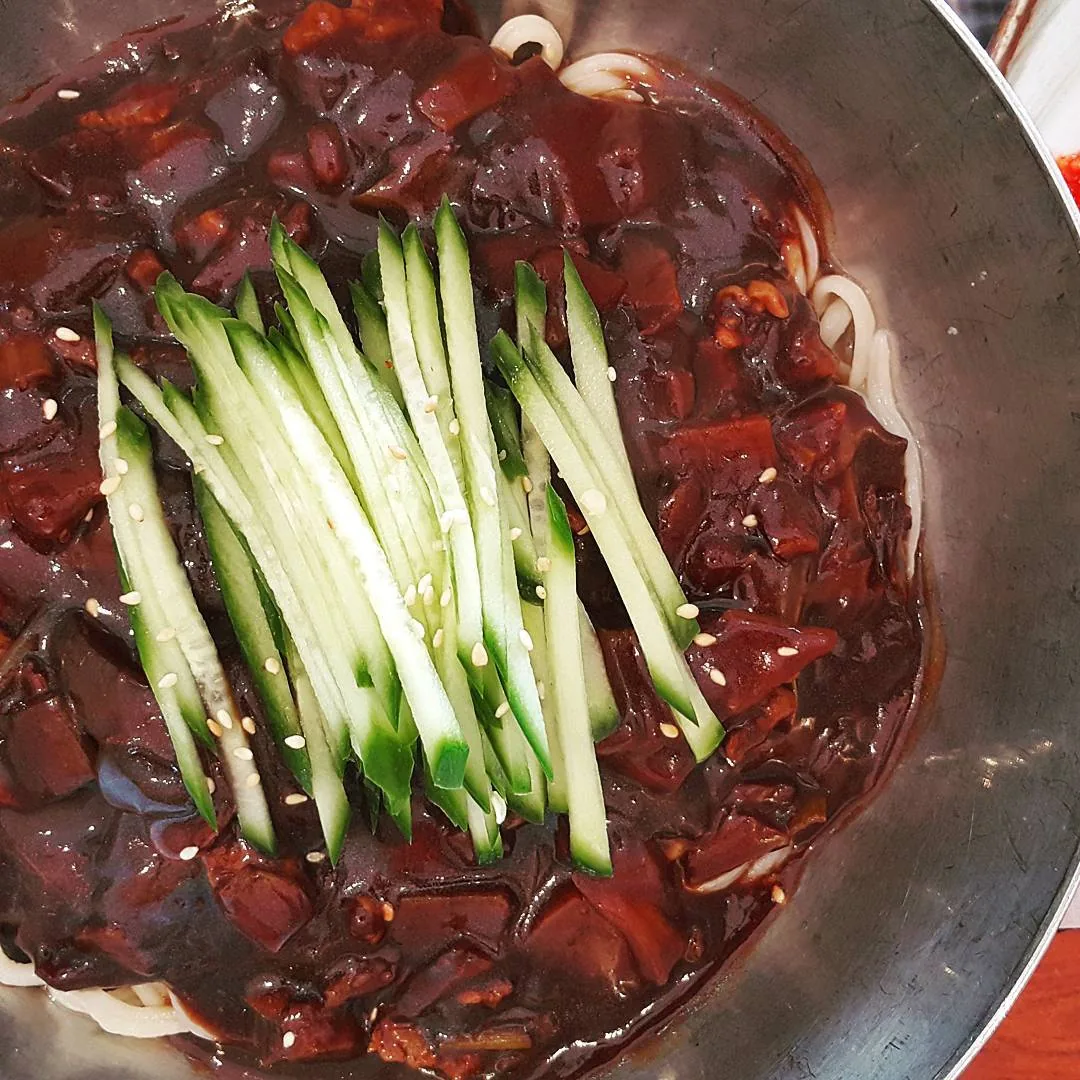
Photo: Debbie Tingzon, Wikimedia Commons, CC BY 2.0; resized and converted to WebP.

Jajangmyeon is a beloved Korean-Chinese comfort food: chewy wheat noodles topped with a thick, glossy black bean sauce made from fried black bean paste, onions, and usually pork. The flavor is savory, slightly sweet, and completely free of chili heat.
Mix the noodles thoroughly to coat every strand with sauce, and enjoy with yellow pickled radish on the side, which adds a refreshing crunch. The sauce stains easily, so avoid white clothing.
Vegetarian versions exist but are not the norm, so ask if you avoid meat. Jajangmyeon is a popular delivery meal and a satisfying choice for those wanting a filling, mild dish.
12. Bingsu (빙수)
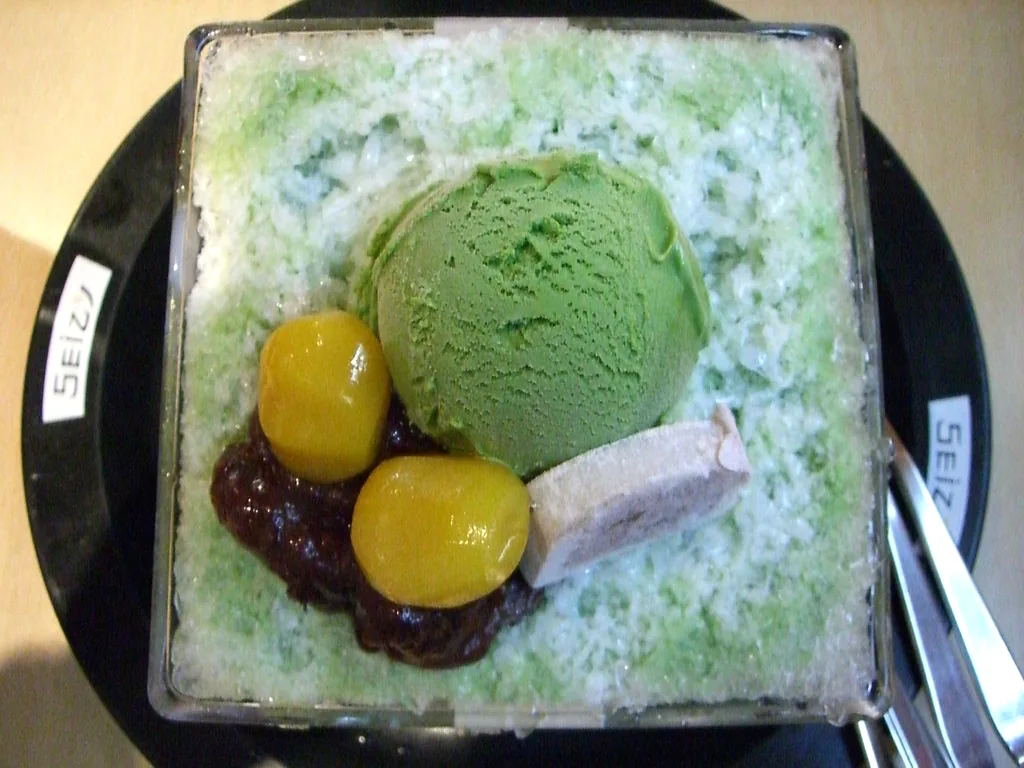
Photo: by keepark at Flickr, Wikimedia Commons, CC BY 2.0; resized and converted to WebP.

Bingsu is a refreshing Korean dessert made from finely shaved ice topped with sweet ingredients like red beans, chewy rice cakes, fruit, condensed milk, or nuts. The ice is so finely shaved it feels like fresh snow, making it a perfect cool-down treat.
Patbingsu is the traditional red bean version, but modern cafés offer many creative toppings. Bingsu is usually served in large bowls meant for sharing.
Be aware that many toppings contain dairy, nuts, or soybean powder, so check if you have allergies. Bingsu is naturally non-spicy and a fun way to end a Korean meal or enjoy a summer afternoon.
How to Order, Pay, and Navigate Korean Dining
- Call staff confidently: Use the table call button or say “jeogiyo” to get attention.
- Share dishes: Many Korean meals are communal. Order several dishes to share rather than individual portions.
- Ask about spice: Even mild-looking dishes may come with spicy sauces or mustard on the side. Request sauces separately if you want to avoid heat.
- Confirm dietary details: Kimchi, broths, and sauces often contain fish sauce, anchovy, or meat stock. Vegetarians and vegans should ask carefully.
- Payment: Pay at the counter in casual spots. Cards are widely accepted, but carry some cash for markets or street vendors.
- No tipping: Tipping is not customary in Korea.
What to skip: Avoid viral “stretchy cheese” snacks or oversized novelty foods if you want authentic Korean flavors. Focus on classic dishes like bibimbap, gimbap, and stews for a genuine experience.
Spice and Dietary Notes
“Non-spicy” doesn’t always mean “not red” or “vegetarian.” Mustard, kimchi, and some sauces can add unexpected heat. Kimchi and broths often contain seafood or meat ingredients, so confirm if you avoid animal products. For kids, watch out for hot broth temperatures, bones in chicken dishes, and shared plates that may contain allergens.
Enjoy exploring Korea’s mild and delicious culinary side with confidence and curiosity!
Hero photo credit: Photo: magicinprogress, Wikimedia Commons, CC BY 2.0; resized and converted to WebP. Source: https://commons.wikimedia.org/wiki/File:Korean_cuisine-Banchan_and_doenjang_jjigae-01.jpg

Everything above was checked on foot (and at the table) by Korea Tripbook editors, most recently August 2026.