Seoul vs Busan vs Jeju Food: What Each City Does Best
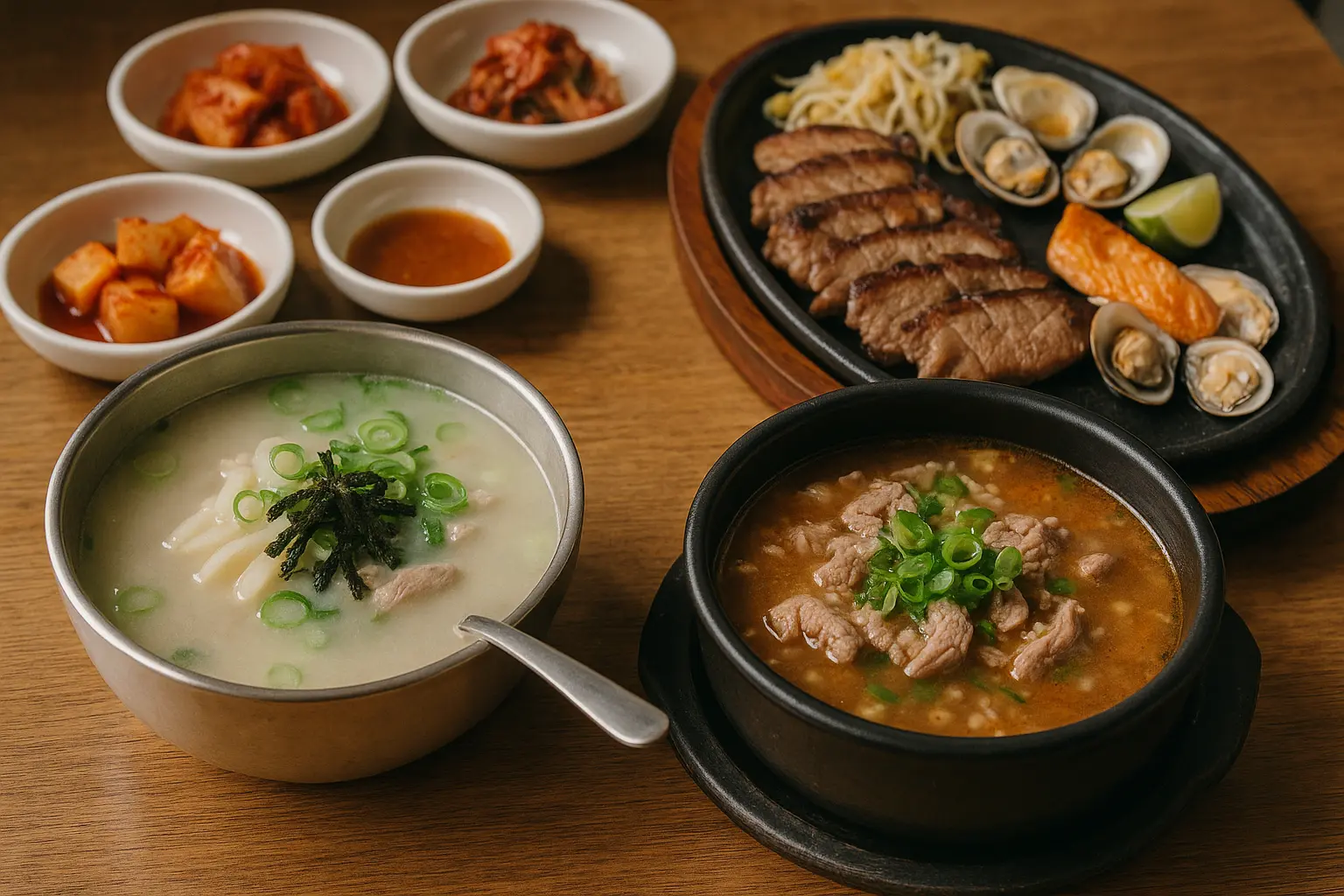
If your Korea trip includes Seoul, Busan and Jeju, do not repeat the same barbecue-and-bibimbap order in all three places. Seoul is strongest at historic capital-city soups and cold noodles, Busan eats like a port city with an especially deep pork-soup culture, and Jeju builds meals around island pork and seafood.
This is a comparison guide, not a restaurant list. It tells you which dishes are worth saving for each destination and how to order them without crossing a city for one famous doorway.
- Seoul: seolleongtang, Pyeongyang naengmyeon and jokbal.
- Busan: dwaeji gukbap, milmyeon and nakgopsae.
- Jeju: black pork, gogi-guksu and hairtail fish.
Planning tip: Keep the regional dishes regional. Fried chicken and bibimbap are easy to find everywhere; save limited meal slots for food that explains the city you are in.
🏙️ Seoul’s broth and noodle tradition: 1–2
1. Seolleongtang (설렁탕)
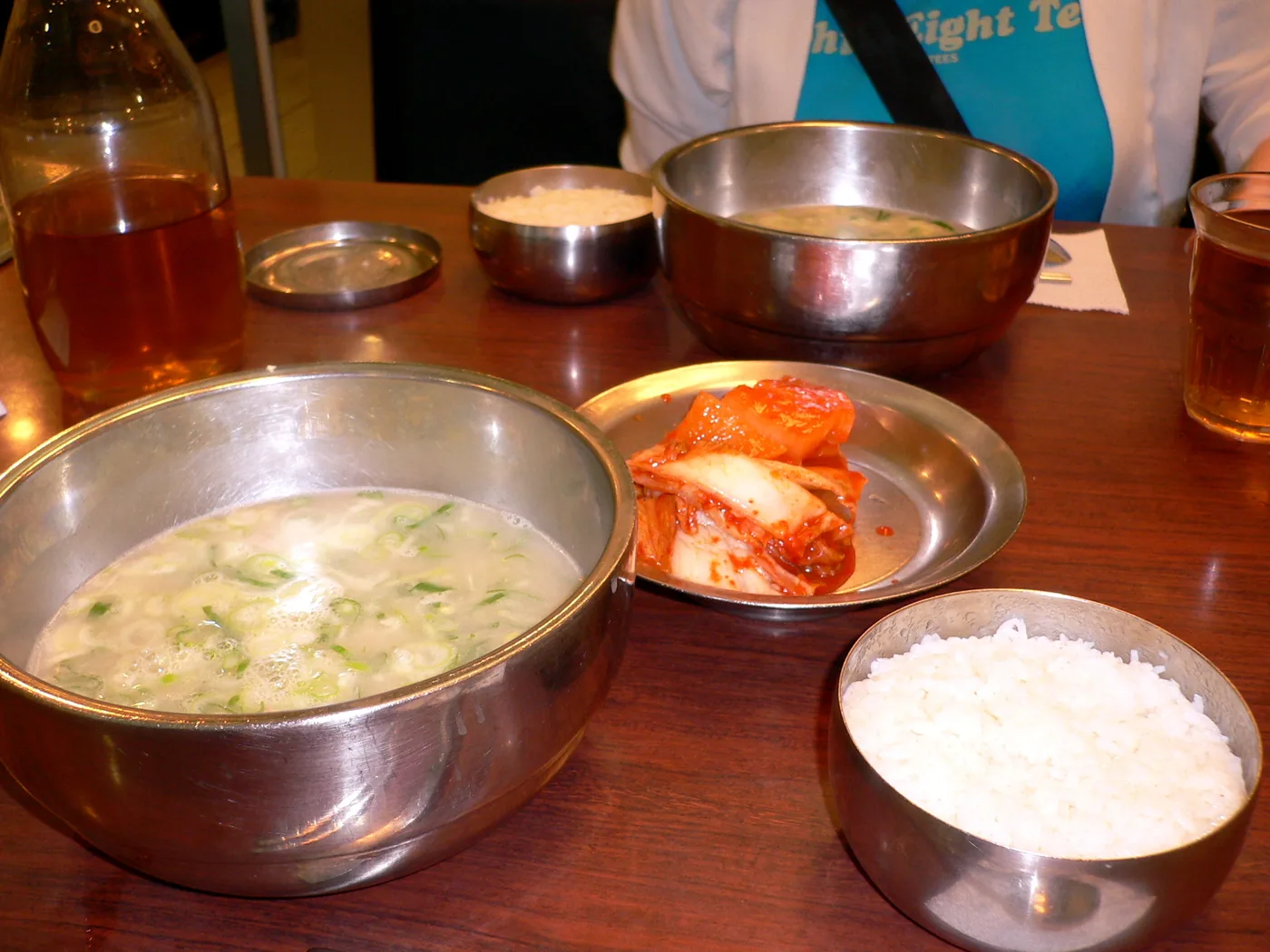
Seolleongtang is ox bones and beef simmered until the broth turns pale and milky. It arrives intentionally under-seasoned, with salt, pepper and chopped green onion on the table. Season one spoonful at a time, add rice if it is served separately and use sharp radish kimchi to cut through the richness.
This is excellent breakfast, solo food and cold-weather recovery. First-timers sometimes call the first sip bland because they have not added salt; the restaurant has handed that final decision to you.
2. Pyeongyang naengmyeon (평양냉면)
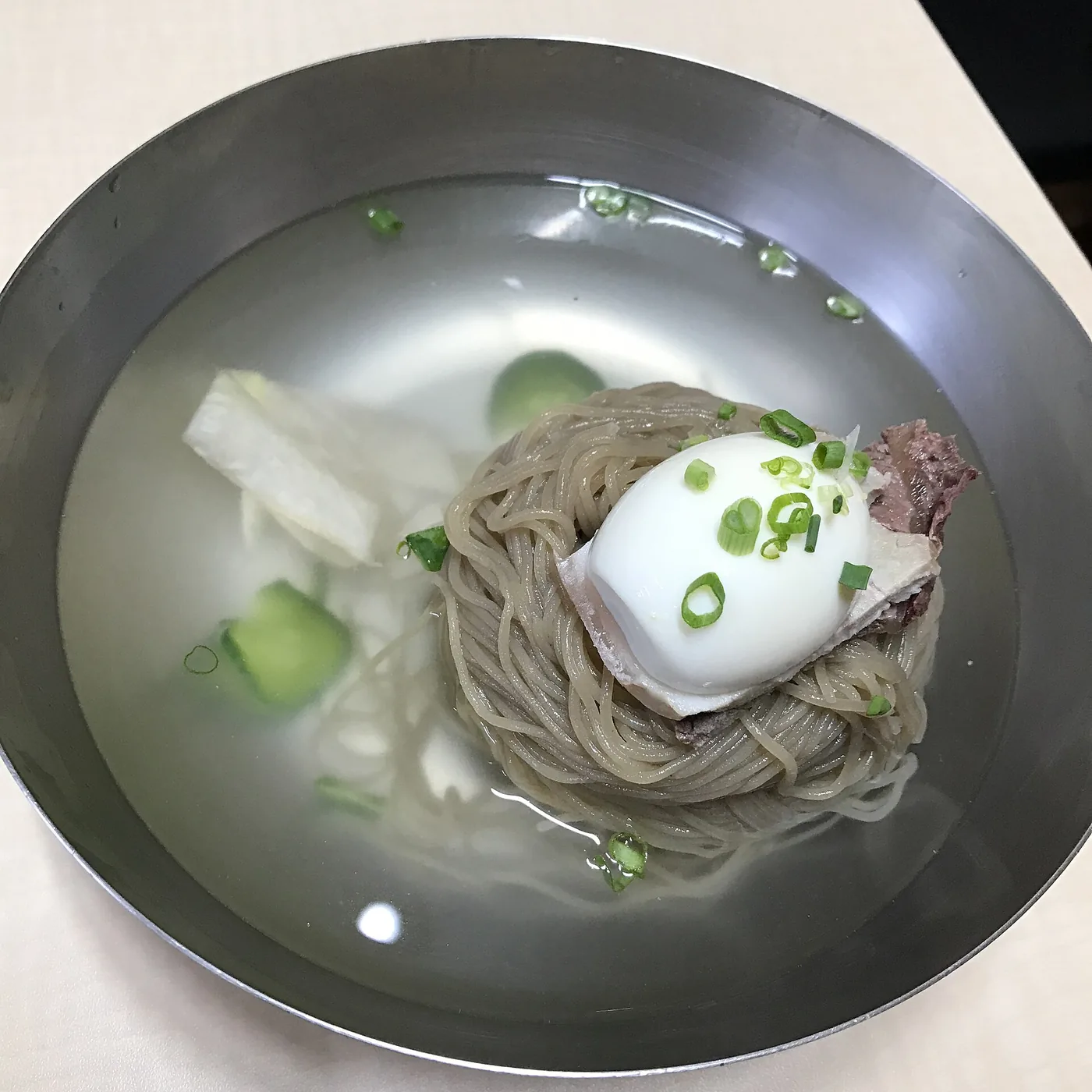
Pyeongyang naengmyeon uses buckwheat noodles in a clear, cold meat broth whose flavor is deliberately subtle. Seoul has a particularly deep culture around the dish, including long-established specialists and fierce opinions about broth, vinegar and scissors. Taste several spoonfuls before adding condiments.
The quiet flavor can be an acquired taste. If you want immediate spice and sweetness, choose bibim naengmyeon; if you want to understand why Seoul diners debate a bowl that looks almost empty, order the broth version.
Seoul’s shared late dinner: 3
3. Jokbal (족발)
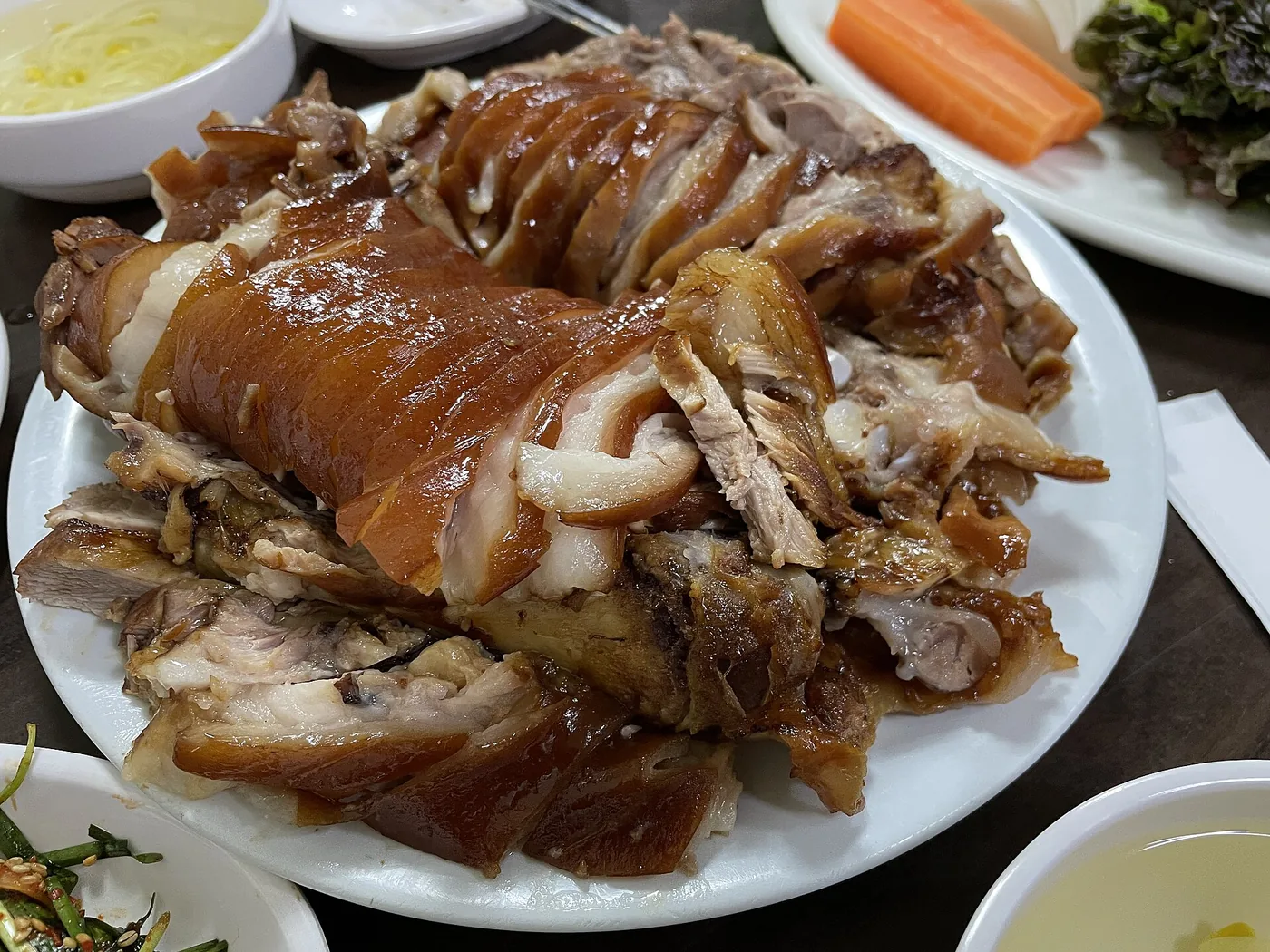
Jokbal is pig’s trotter braised with soy, aromatics and sugar, then sliced into glossy, tender pieces with chewy skin. Seoul’s Jangchung-dong is historically associated with the dish, but good jokbal travels well and is widely delivered. Wrap pieces in lettuce with garlic and salted shrimp sauce.
Orders are large. A small size still suits multiple people, so solo travelers should look for lunch sets or market portions. Spicy buljokbal is a separate, much hotter experience; start with the classic.
Seoul tip: The capital rewards specialization. A shop whose sign and menu focus on one soup or noodle is often a better bet than a giant menu offering every famous Korean dish.
For neighborhood tactics and markets, see our dedicated what to eat in Seoul guide.
🌊 Busan’s everyday bowls: 4–5
4. Dwaeji gukbap (돼지국밥)
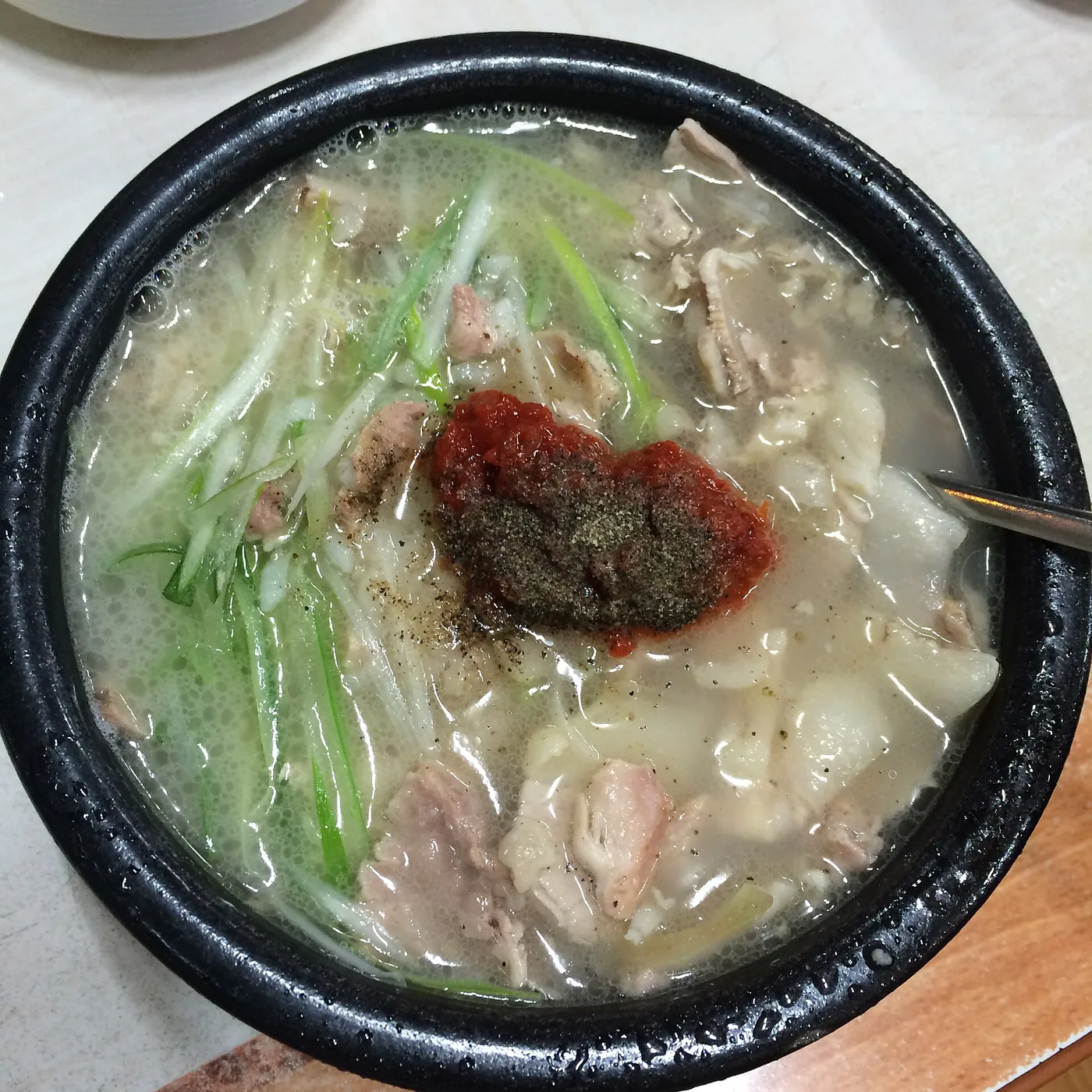
Dwaeji gukbap is Busan’s essential bowl: pork and broth served with rice, chives, salted shrimp and spicy seasoning that you adjust yourself. Some restaurants put rice in the soup; others serve it separately. Taste the broth before adding saeujeot, because the tiny salted shrimp changes salinity quickly.
It works at breakfast, lunch, after drinks and alone. Ask for ttaro gukbap if you specifically want rice served separately. The flavor is usually mild until you add red seasoning.
5. Milmyeon (밀면)
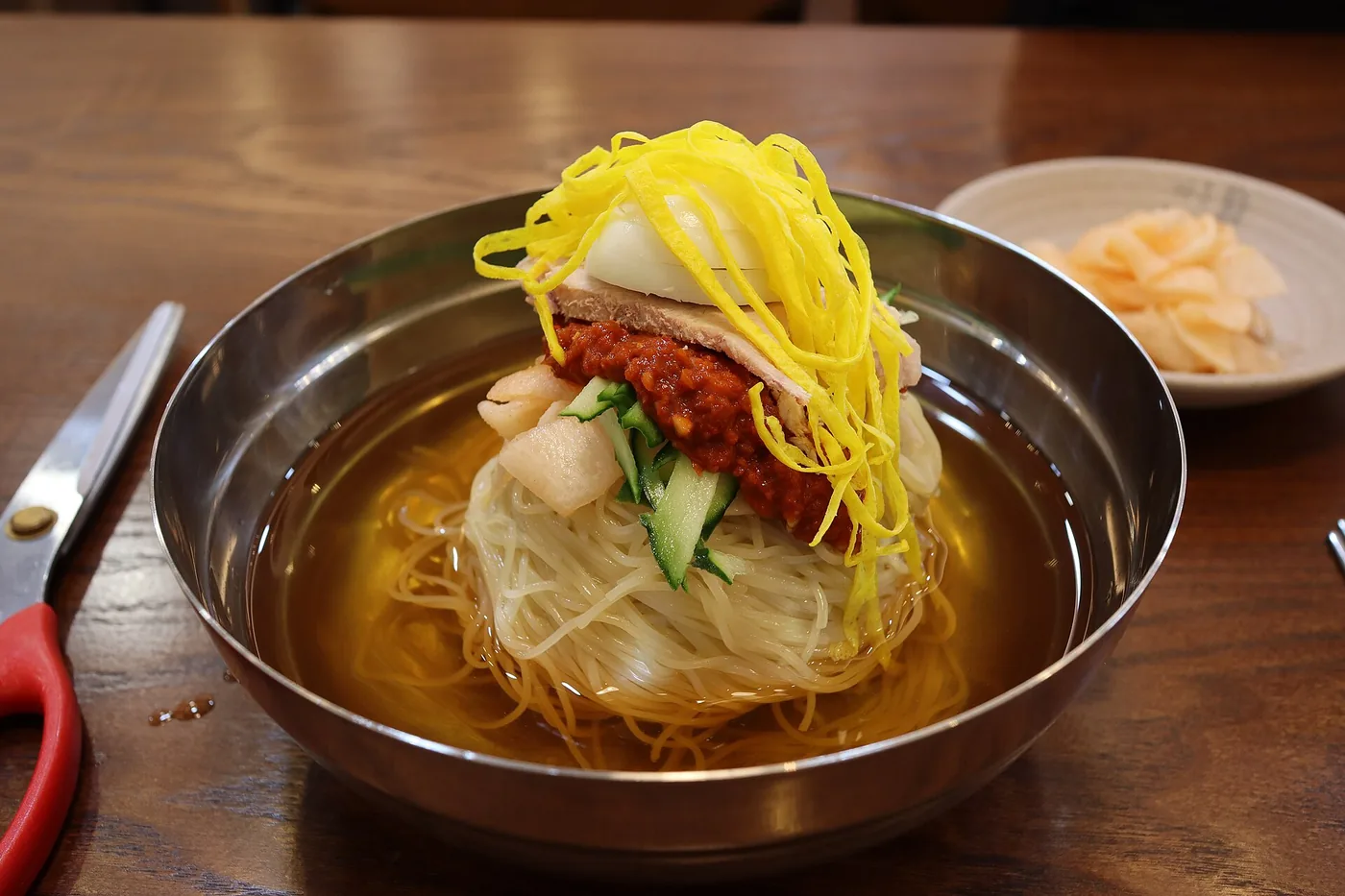
Milmyeon is Busan’s cold wheat-noodle dish, born from the city’s modern history and distinct from buckwheat naengmyeon. Mul milmyeon comes in chilled broth; bibim milmyeon is mixed with a red spicy sauce. The noodles are springy, the seasoning is usually brighter and sweeter, and the price tends to be approachable.
It is particularly satisfying in humid Busan summers. Dumplings are the standard side order. Use the scissors only if you need them and mix bibim sauce thoroughly before deciding which part is too strong.
Busan’s shared spicy pan: 6
6. Nakgopsae (낙곱새)
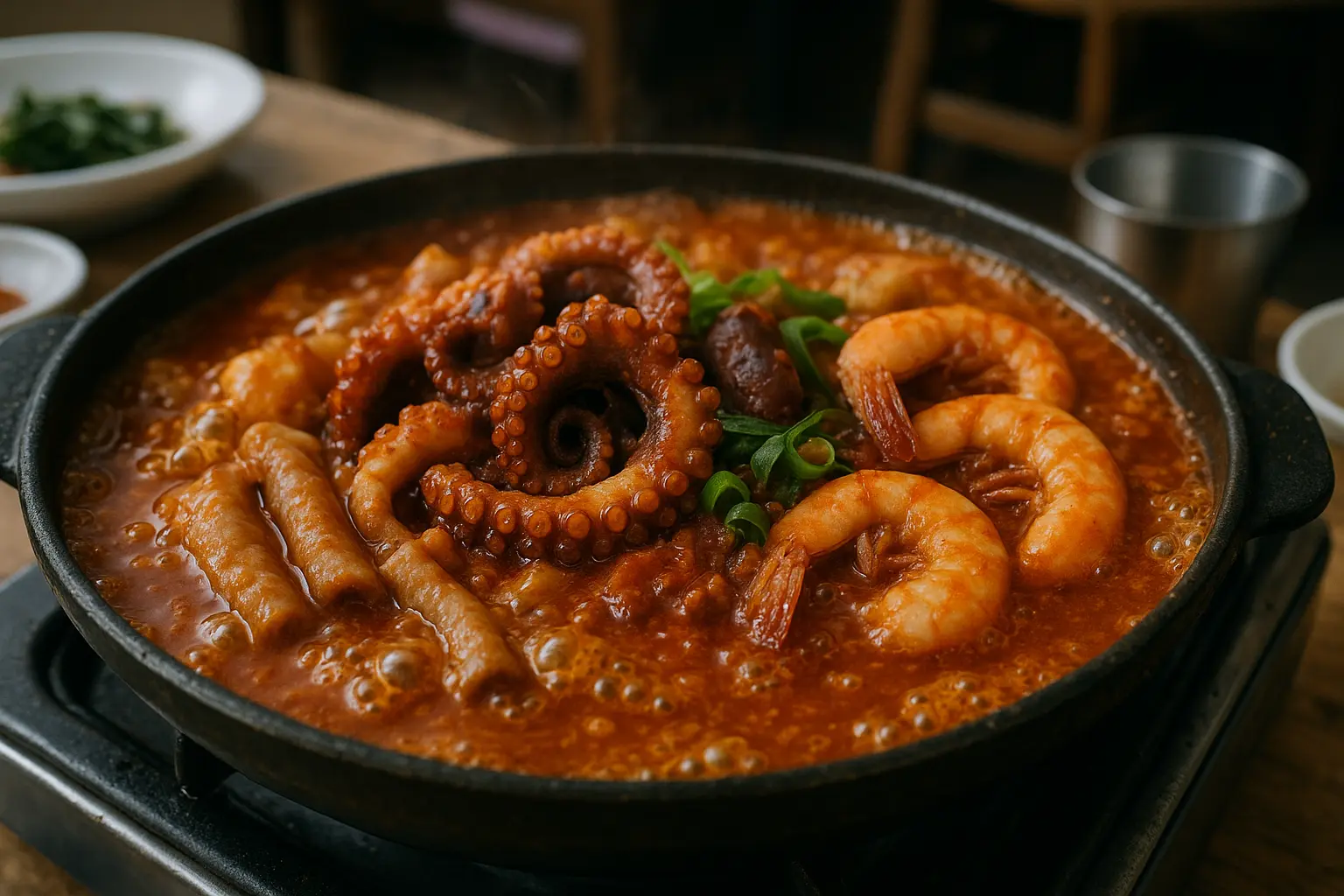
The name compresses its three main ingredients: nakji (small octopus), gopchang (beef intestine) and saeu (shrimp). They simmer together in a spicy red sauce, often with noodles or glass noodles, before being spooned over rice. It is rich, chewy and unmistakably Busan.
This is a shared dish and not ideal for cautious seafood eaters. Tell staff your spice preference if options exist, but expect heat. Finish with rice only after the seafood and intestine have cooked fully and the sauce has thickened.
Busan ordering tip: Soup and noodle shops are naturally solo-friendly; nakgopsae and large seafood dishes are not. Match the dish to the group instead of forcing every specialty into one-person portions.
🌋 Jeju’s pork identity: 7–8
7. Jeju black pork (제주 흑돼지)
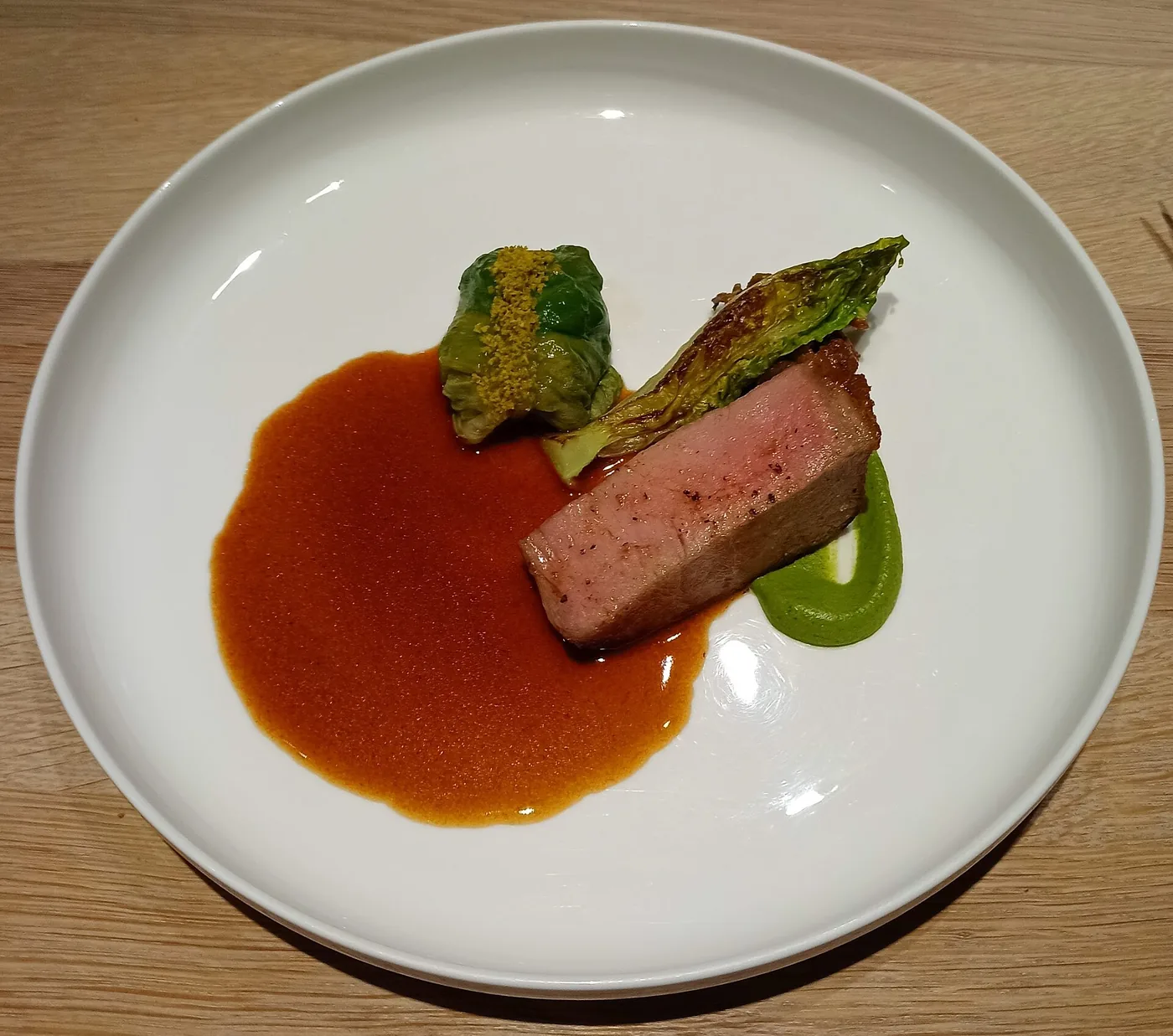
Jeju black pork is prized for its firm texture and deep pork flavor. Restaurants commonly grill thick ogyeopsal or moksal and serve meljeot, a fermented anchovy sauce, for dipping. Let staff handle the thick cuts if they offer; the meat needs more careful cooking than thin Seoul-style belly.
It costs more than ordinary pork, so confirm that the menu states heukdwaeji. Black Pork Street is convenient, but the street name alone does not guarantee the best value. A focused neighborhood grill with clear origin labeling can be the better dinner.
8. Gogi-guksu (고기국수)
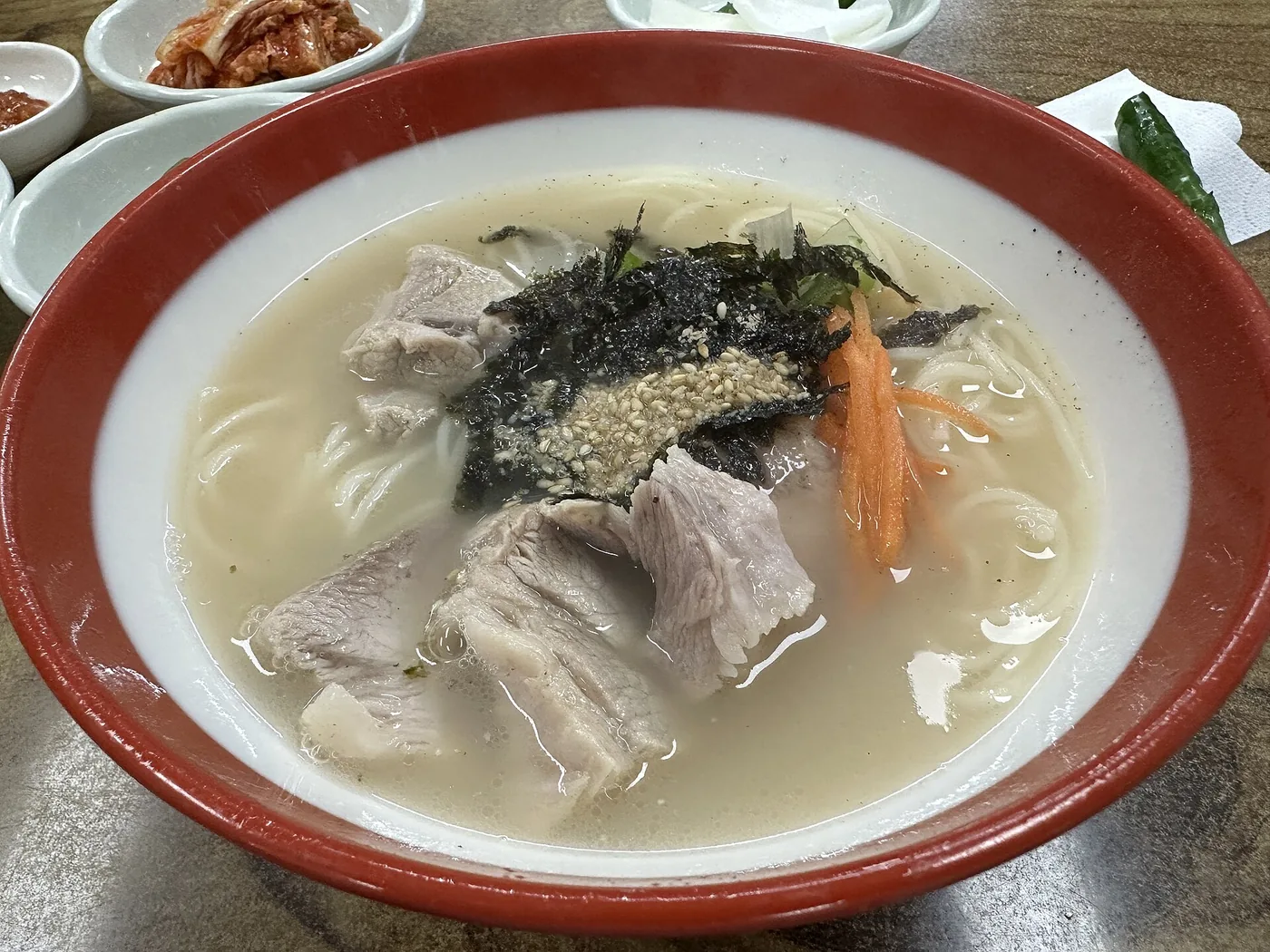
Gogi-guksu places wheat noodles in a rich pork broth and covers them with slices of boiled pork. The bowl is comforting, filling and easier to order alone than black-pork barbecue. Add chili seasoning gradually; the unseasoned broth is worth tasting first.
The name simply means “meat noodles,” but on Jeju it refers to this local pork-noodle tradition. It is an excellent arrival-day lunch when you want island flavor without committing to a long dinner.
Jeju’s silver seafood: 9
9. Hairtail fish (갈치)
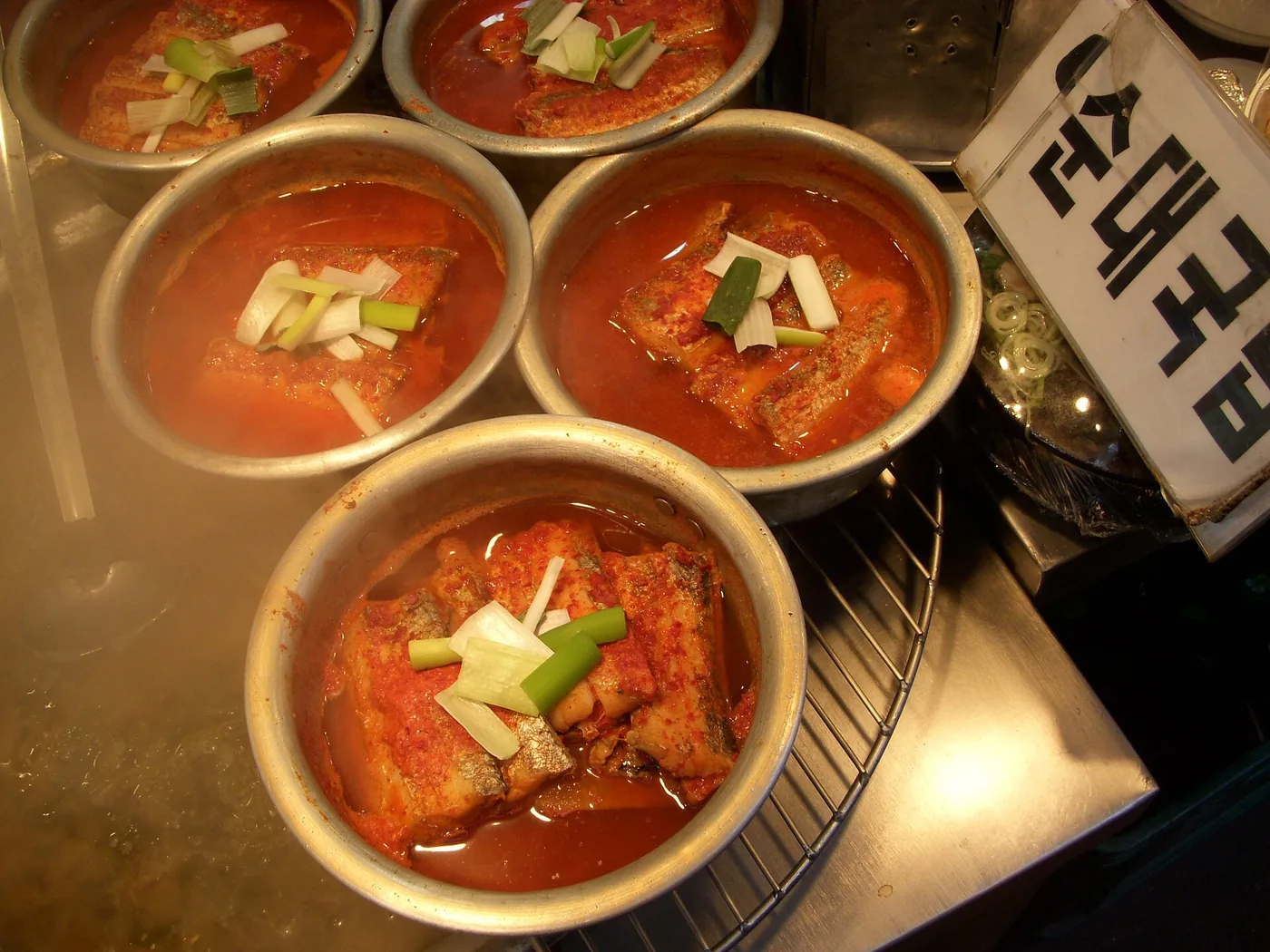
Jeju is closely associated with silver galchi, or hairtail. Galchi-gui is salted and grilled, allowing the delicate white flesh to stand out; galchi-jorim braises fish and radish in a spicy sauce. The fish contains many fine bones, so eat slowly and use chopsticks to lift flesh away from the central structure.
Long whole-fish presentations are photogenic and expensive. Smaller cut portions can taste just as good. Confirm whether the fish is local if origin matters, because restaurants can serve hairtail sourced elsewhere.
Jeju watch out: Island seafood and black pork often carry a tourist premium. Check the portion, origin and total set price before ordering; “for two” can mean a much larger bill than two individual bowls.
Choose the city by the meal you want
Choose Seoul for maximum variety, historic specialists and subtle soups; Busan for casual pork bowls, bold noodles and seafood energy; Jeju for a slower dinner centered on local pork or fish. A simple three-city plan is seolleongtang breakfast and naengmyeon in Seoul, dwaeji gukbap lunch and nakgopsae dinner in Busan, then gogi-guksu lunch and black pork or hairtail dinner in Jeju.
Season matters. Cold noodles peak in hot weather, soups become irresistible in winter, and Jeju seafood availability changes. Cards work at most restaurants, markets may still reward carrying cash, and tipping is unnecessary everywhere.
Our skip: eating the exact same generic “Korean set menu” beside every hotel because it feels safe. Keep one flexible meal in each city and search the Korean dish name nearby. Regional food does not require a famous reservation; it requires ordering the right bowl in the right place.
For snacks between these meals, use our street-food guide to Seoul, Busan and Jeju. For the national essentials, open the 20-food Korean checklist.
Photo credits
- 1. Seolleongtang — Satomi Abe, Wikimedia Commons, CC BY-SA 2.0; resized and converted to WebP.
- 2. Pyeongyang naengmyeon — chomjong, Wikimedia Commons, CC BY 2.0; resized and converted to WebP.
- 3. Jokbal — Jo Hanshin, Wikimedia Commons, CC0; resized and converted to WebP.
- 4. Dwaeji gukbap — chomjong, Wikimedia Commons, CC BY 2.0; resized and converted to WebP.
- 5. Milmyeon — Mobius6, Wikimedia Commons, CC BY-SA 4.0; resized and converted to WebP.
- 7. Jeju black pork — Haydn Blackey from Cardiff, Wales, Wikimedia Commons, CC BY-SA 2.0; resized and converted to WebP.
- 8. Gogi-guksu — Seefooddiet, Wikimedia Commons, CC BY-SA 4.0; resized and converted to WebP.
- 9. Hairtail fish — yearofeats, Wikimedia Commons, CC BY 2.0; resized and converted to WebP.


.jpg)

