Best Korean Street Foods in Seoul, Busan and Jeju
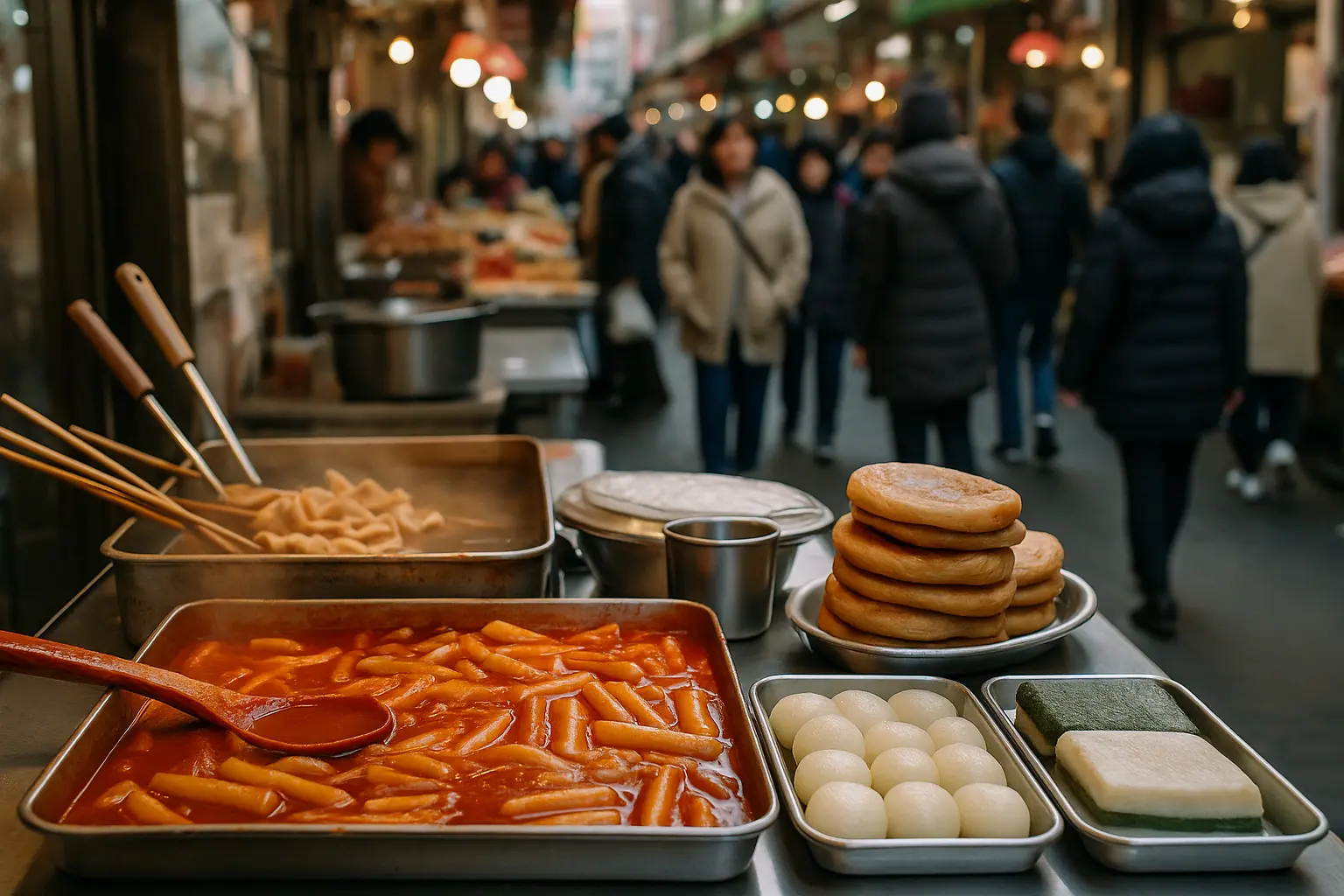
Korean street food changes with the city. Seoul’s old markets favor griddles and rice cakes, Busan’s port culture brings fish cake and seed-filled hotteok, and Jeju turns island rice, citrus and seafood into snacks. You do not need a specific stall name: busy turnover, visible cooking and a short menu are better signals than a viral pin.
Our nine-stop shortlist is deliberately regional:
- Seoul tteokbokki — Chewy rice cakes in a spicy-sweet sauce.
- Seoul bindaetteok — Crisp mung-bean pancake.
- Seoul mayak gimbap — Small rice rolls with mustard sauce.
- Busan ssiat hotteok — Brown-sugar pancake packed with seeds.
- Busan eomuk — Fish-cake skewers and hot broth.
- Busan multteok — Rice cake served on a skewer in broth.
- Jeju omegi-tteok — Millet rice cake coated in red beans.
- Jeju hallabong juice — Sweet-tart island citrus.
- Jeju seafood skewer — Grilled shellfish chosen from a busy market counter.
Market rule: Walk one full aisle before buying. Prices, portion sizes and turnover become obvious after comparing several stalls, and the first photogenic counter is rarely the only option.
🌶️ Seoul’s red-sauce essentials: 1–2
1. Tteokbokki (떡볶이)
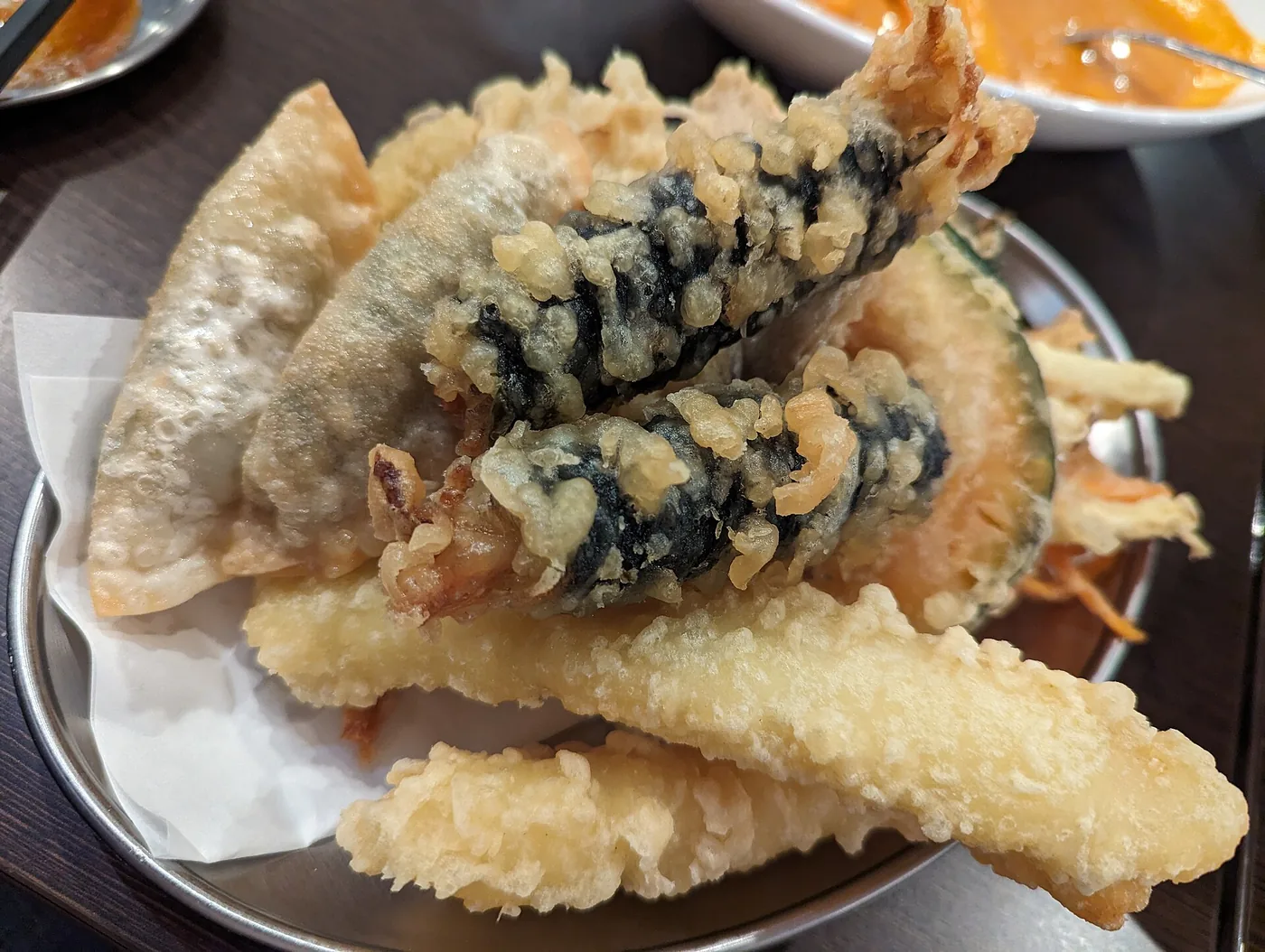
Tteokbokki is cylindrical rice cake simmered in a glossy gochujang sauce, usually with fish cake, cabbage and boiled egg. The texture is the point: springy and chewy rather than soft like pasta. Seoul stalls range from sweet school-snack versions to dark, aggressive sauces that announce the chili before the first bite.
Order a small plate and add twigim (fried vegetables or seafood) for dipping. A paper cup of eomuk broth helps between bites, although it does not magically cancel capsaicin. Vegetarians should assume the sauce or stock contains fish unless told otherwise.
2. Bindaetteok (빈대떡)
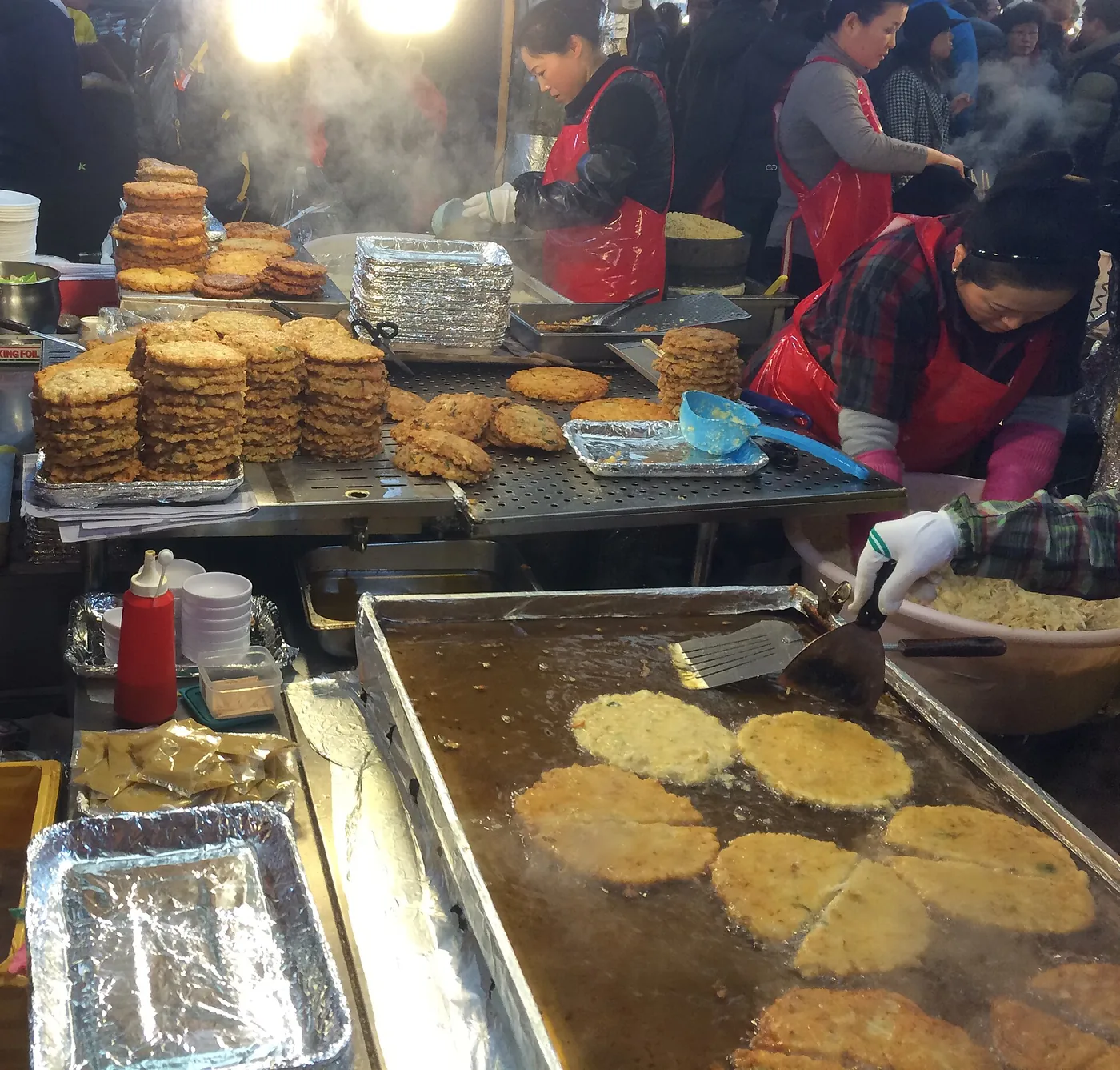
Bindaetteok is a thick pancake made from ground mung beans, bean sprouts, kimchi and often pork. At its best, the ragged exterior is deeply crisp while the center remains nutty and substantial. Gwangjang Market made it famous with visitors, but traditional markets across Seoul serve versions worth trying.
One pancake can be a light meal for two. Tear off pieces, dip lightly in onion soy sauce and pair with makgeolli if you drink. Ask about pork and kimchi seasoning before assuming a bean pancake is vegetarian.
Seoul’s compact market bite: 3
3. Mayak gimbap (마약김밥)
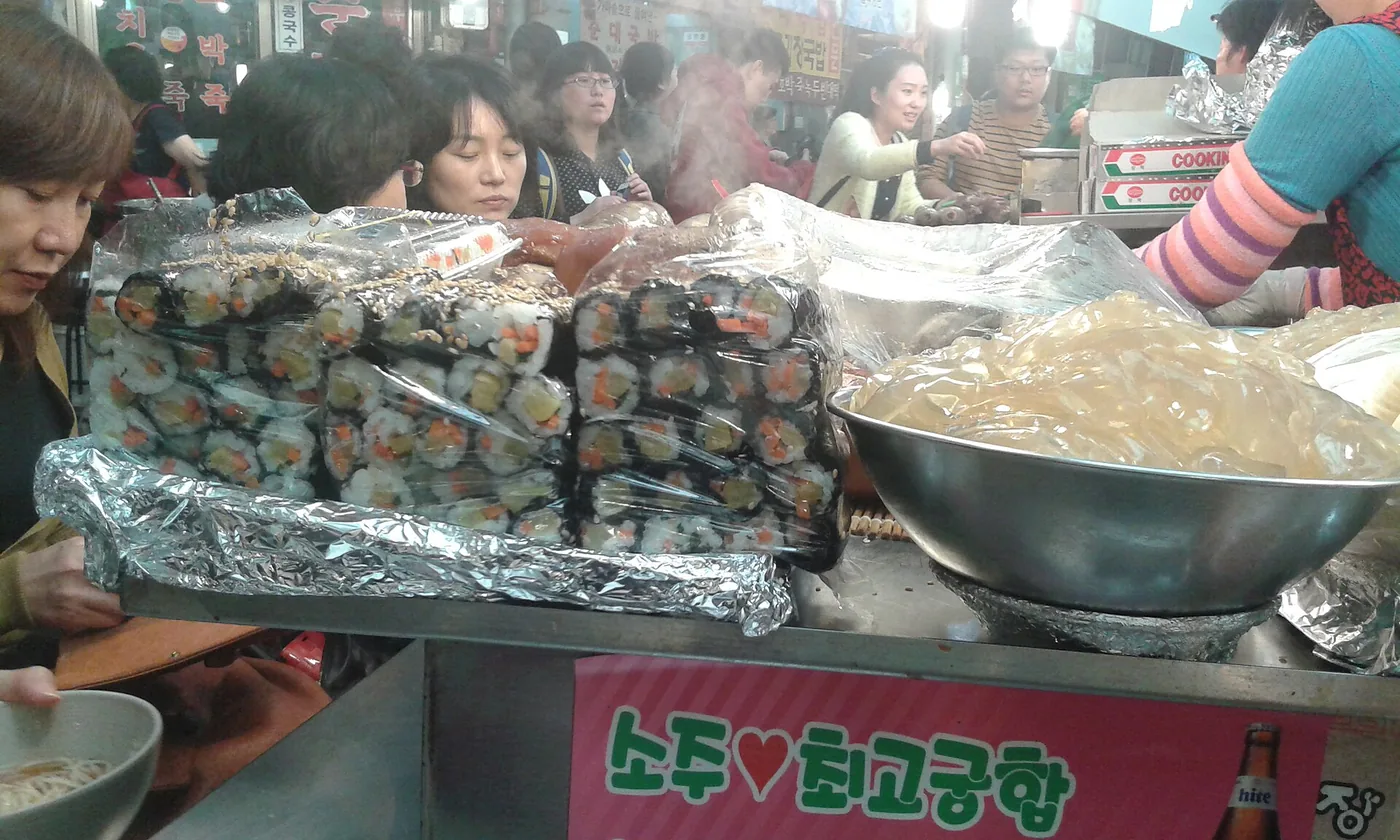
These small seaweed rice rolls usually contain carrot, spinach and pickled radish, then receive sesame oil and seeds. The provocative nickname means they are supposedly “addictive”; the food itself is simple. The sharp mustard-soy dipping sauce supplies most of the personality.
They are easy to share and less filling than a full gimbap roll. Buy from a stall assembling or replenishing them regularly rather than a large pile drying at the edge of the aisle.
Seoul tip: Gwangjang is convenient for tasting several classics together, but peak lunch and weekend afternoons are cramped. Go earlier, order modest portions and leave room for a neighborhood meal later.
🍯 Busan’s sweet signature: 4
4. Ssiat hotteok (씨앗호떡)
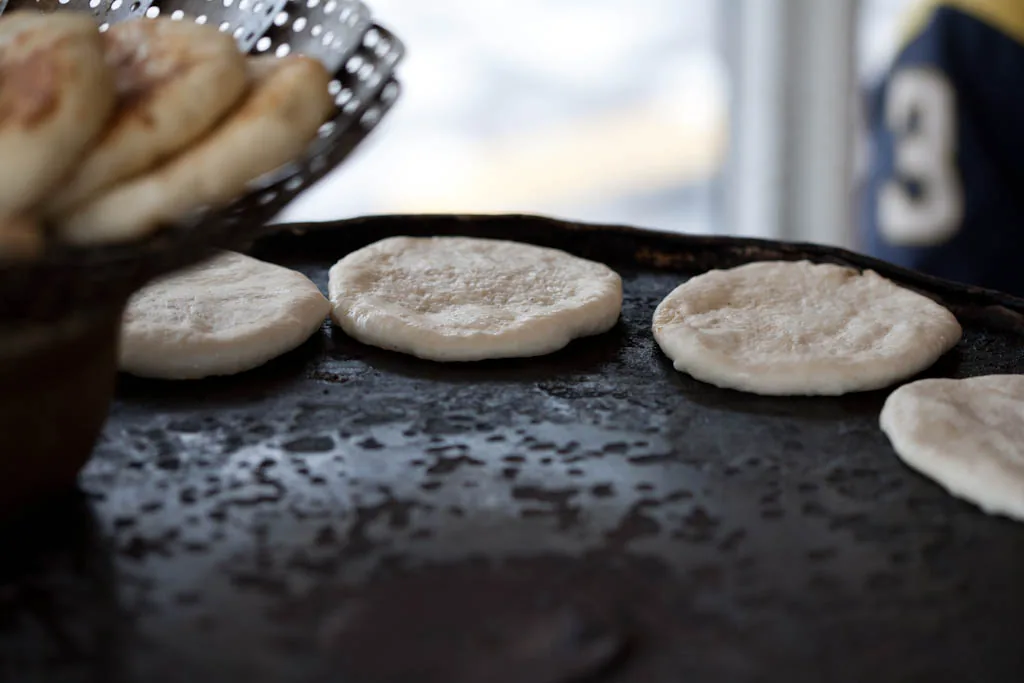
Busan’s signature hotteok is griddled dough filled with molten brown sugar and cinnamon, then cut open and packed with sunflower and pumpkin seeds. The seeds add crunch and keep the sweetness from feeling one-dimensional. It is associated with Nampo-dong and BIFF Square but appears elsewhere in the city.
Hold it in the paper cup and bite from the edge. The syrup in the center can burn, and waiting thirty seconds improves the experience more than an urgent cheese-pull video ever could. Nut and seed allergies require caution.
🐟 Busan’s broth snacks: 5–6
5. Busan eomuk (부산어묵)
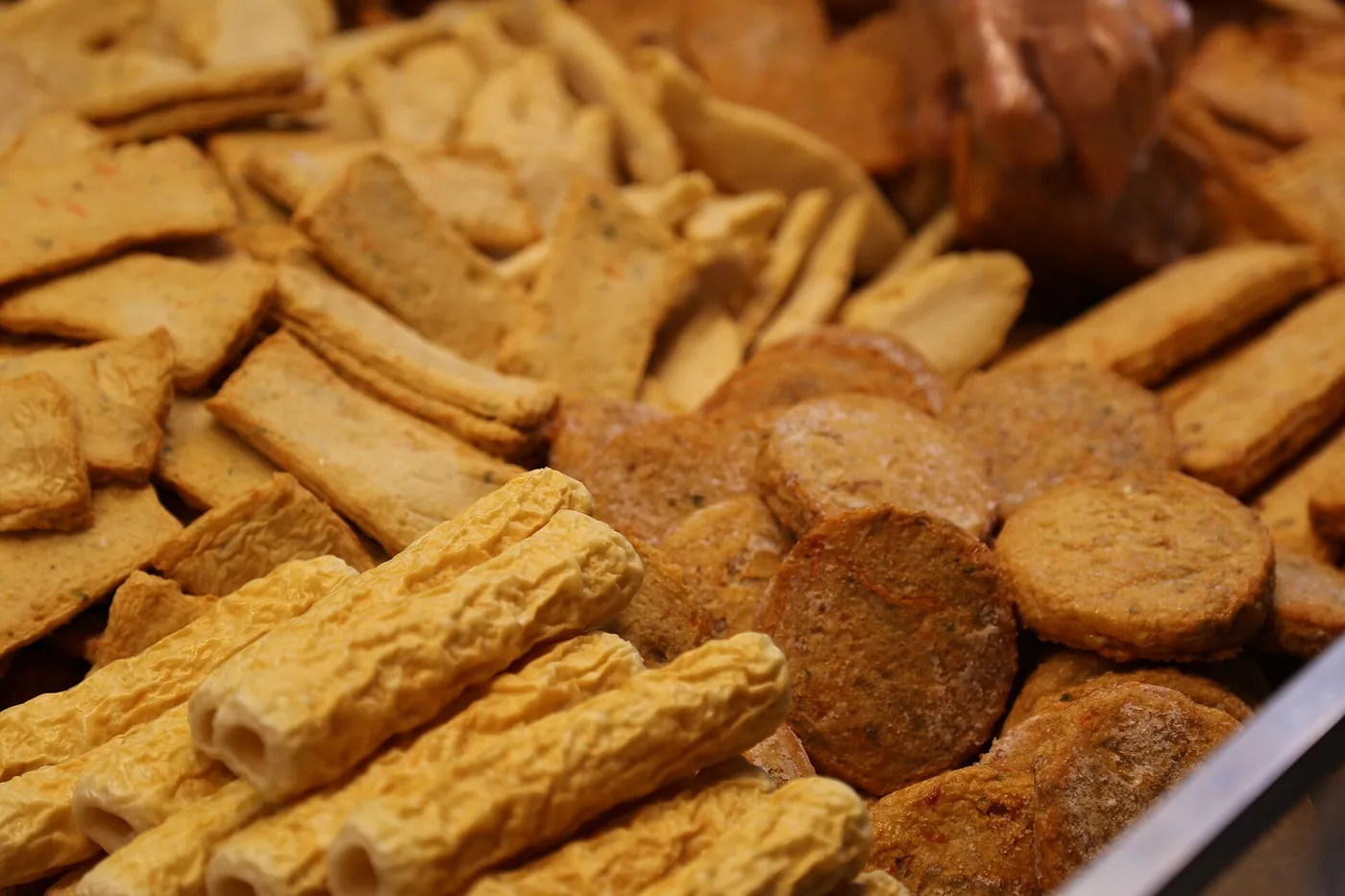
Eomuk is seasoned fish paste shaped into sheets, rolls or stuffed pieces. The street version folds a sheet onto a skewer and warms it in broth. Busan’s connection to seafood processing makes fish cake a city staple, and shops often display a much wider range than the simple skewers seen elsewhere.
Eat first, then pay by the number of skewers if that is the stall’s system. Sip broth from the provided cup and return used skewers where indicated. Wheat, soy and shellfish can appear in the mix.
6. Multteok (물떡)
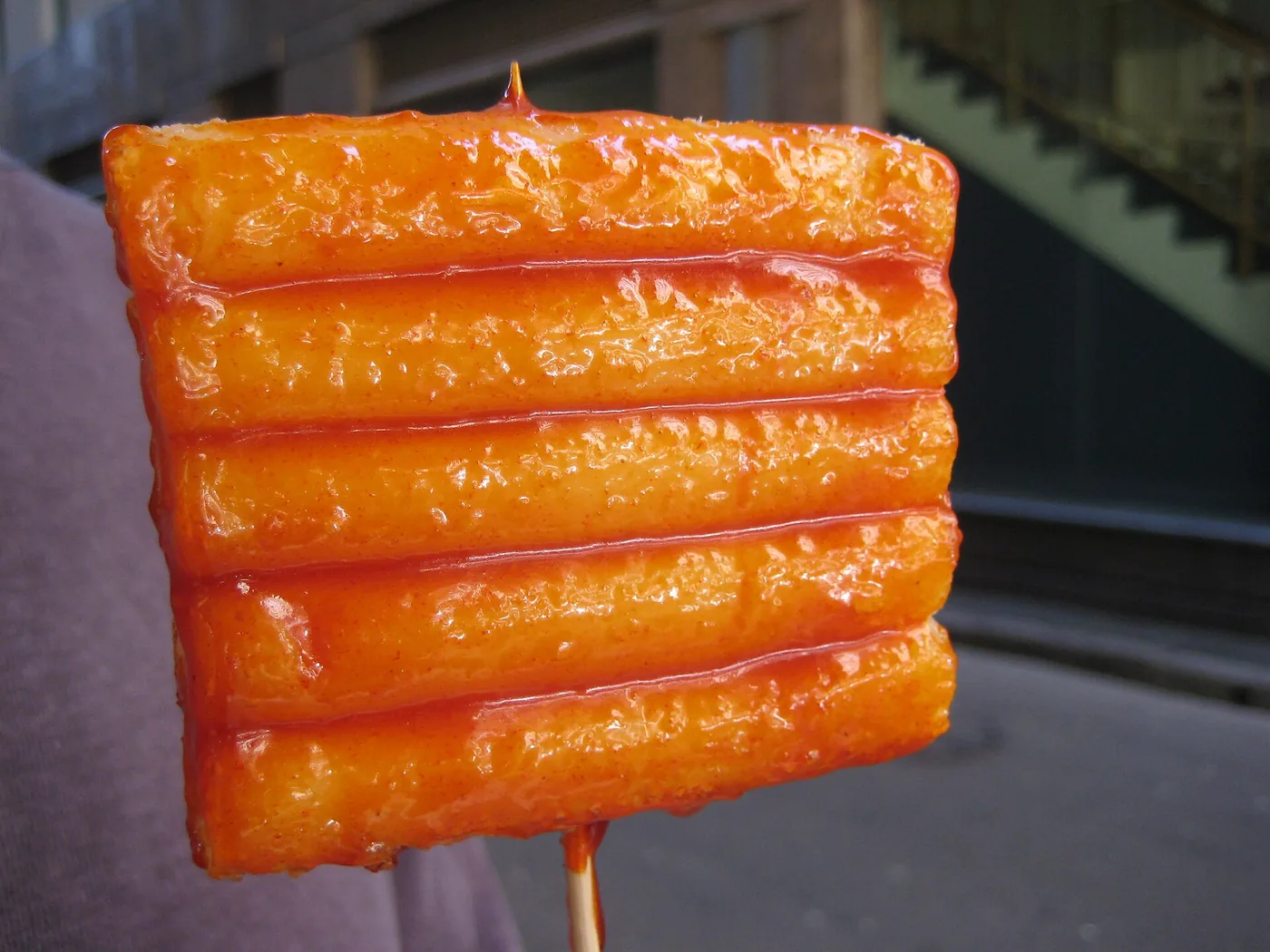
Multteok is a long rice cake threaded onto a skewer and held in the same warm broth as eomuk. It is closely associated with Busan and the surrounding region. The flavor is mild; the pleasure comes from a soft-chewy rice cake saturated with savory broth on a cold day.
Order one beside an eomuk skewer to compare textures. Because the broth is normally fish-based, multteok is not vegetarian even though the skewer itself is rice cake.
Busan tip: Bupyeong Kkangtong Market is strongest as an evening food stop, while Nampo-dong works well before or after sightseeing. Choose Korean stalls with steady turnover rather than filling up on generic international night-market food.
🍊 Jeju’s rice cake and citrus: 7–8
7. Omegi-tteok (오메기떡)
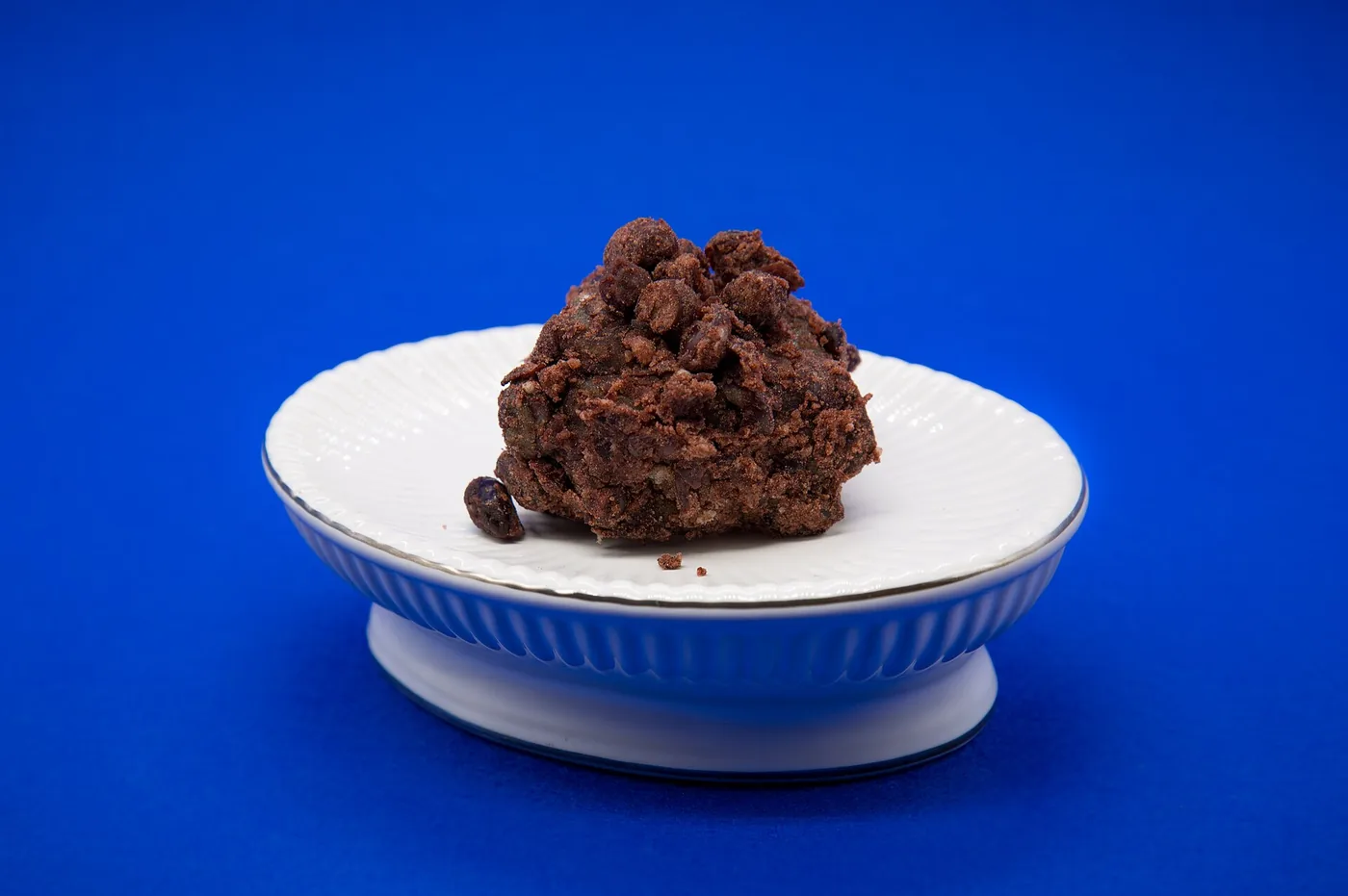
Omegi-tteok is a Jeju rice cake traditionally linked to millet, now commonly sold as a soft, chewy cake covered with whole red beans. Some versions hide sweet red-bean paste inside; others add nuts or modern flavors. It travels better than grilled street food and makes a practical edible souvenir.
Buy a small fresh portion first because rice cake texture declines as it sits. Frozen gift boxes are intended for later transport, while warm market pieces are for eating the same day.
8. Hallabong juice (한라봉 주스)
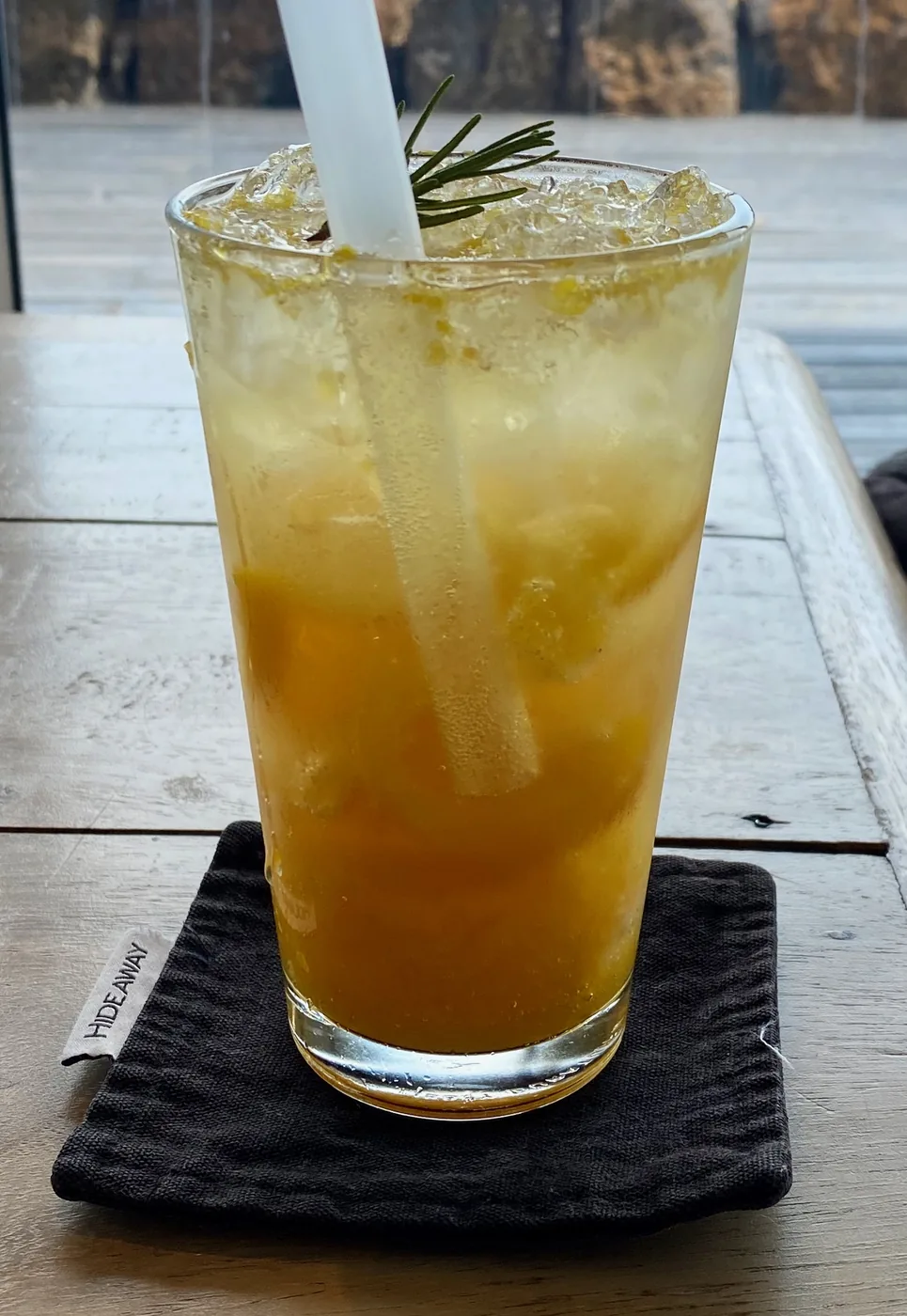
Hallabong is Jeju’s bumpy-skinned citrus with a fragrant, sweet-tart flavor. Market counters sell juice, ade and blended drinks. Choose a stall squeezing fruit visibly or a sealed product that states its fruit content; fluorescent color and a mountain of syrup are not signs of authenticity.
Hallabong is seasonal, although processed drinks sell year-round. Fresh fruit is at its best in the cooler part of the year, so summer visitors should be realistic about what “fresh” means.
Jeju’s market seafood: 9
9. Grilled seafood skewer (해산물 꼬치)
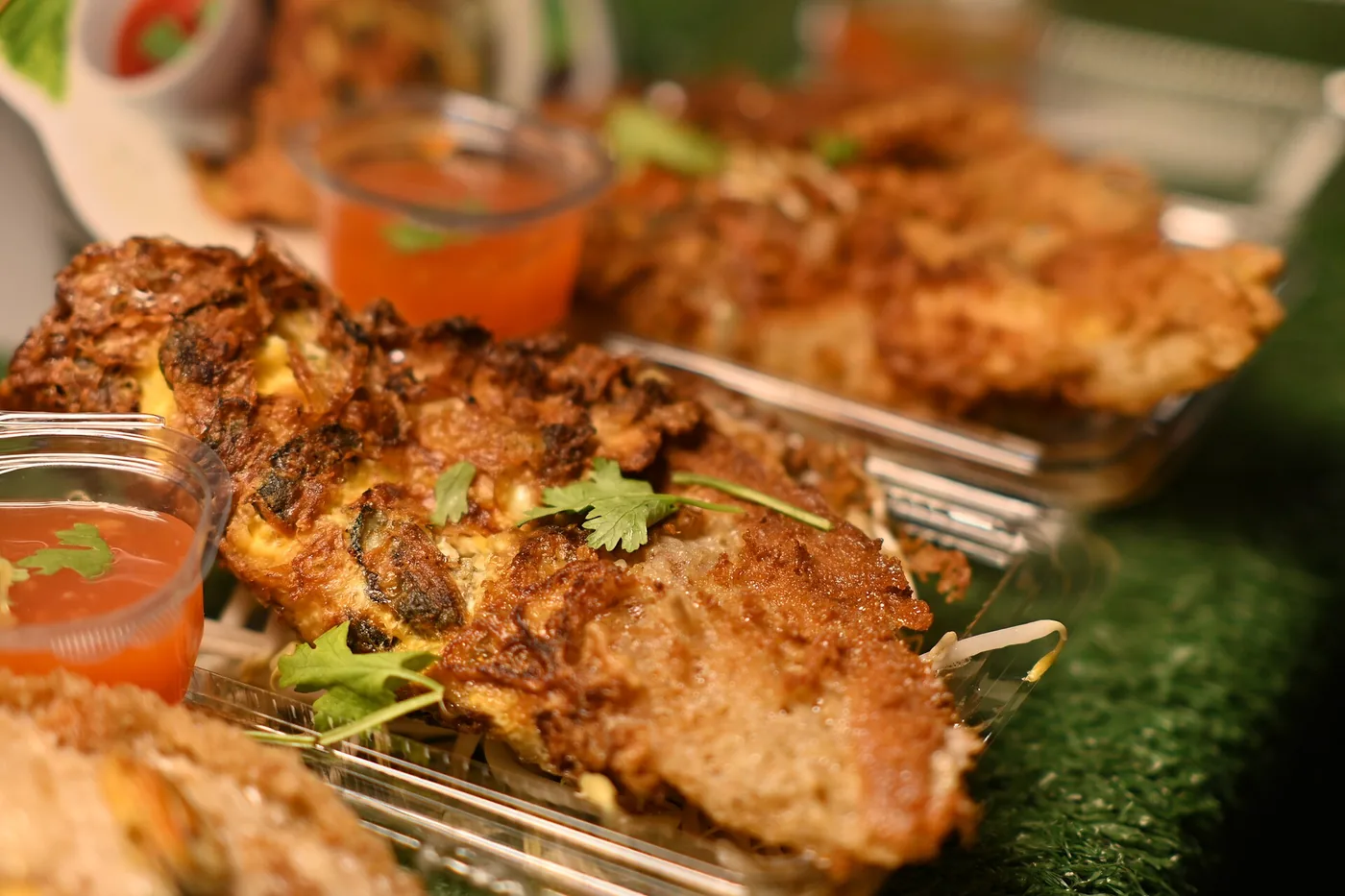
Jeju markets turn abalone, squid, octopus and other seafood into quick grilled portions. Unlike eomuk, this is not one standardized dish; availability and price follow the catch and market. Pick a stall displaying the seafood clearly, cooking to order and stating the price before seasoning begins.
Abalone can become rubbery when overcooked, so bigger is not automatically better. If a skewer is buried under sweet sauce and cheese, you are tasting toppings more than island seafood. A simply grilled piece with salt is the more revealing order.
Jeju tip: Dongmun Market is convenient but heavily visited. Treat it as a sampler, not proof that every island specialty must come on a skewer. Save black pork, pork noodles and hairtail for seated meals.
Street food is strongest in cool weather, when hot broth, roasted sweet potato, bungeoppang and hotteok make sense. Summer shifts toward drinks, ice and night-market hours. Carry a card but keep a little cash for small stalls, dispose of skewers at the vendor’s bin, and do not walk into unrelated shops while eating.
Our honest skip is the oversized viral snack whose main selling point is height, cheese stretch or a price many times higher than the classic version. One is amusing; building a whole dinner from them is expensive and strangely exhausting. For full meals in each region, continue with our Seoul, Busan and Jeju food comparison.
Photo credits
- 1. Tteokbokki — Syced, Wikimedia Commons, CC0; resized and converted to WebP.
- 2. Bindaetteok — Rystheguy, Wikimedia Commons, CC BY-SA 4.0; resized and converted to WebP.
- 3. Mayak gimbap — Pauloleong2002, Wikimedia Commons, CC BY-SA 4.0; resized and converted to WebP.
- 4. Ssiat hotteok — Charles Haynes, Wikimedia Commons, CC BY-SA 2.0; resized and converted to WebP.
- 5. Busan eomuk — Ryan Bodenstein, Wikimedia Commons, CC BY 2.0; resized and converted to WebP.
- 6. Multteok — Angus Fraser, Wikimedia Commons, CC BY 2.0; resized and converted to WebP.
- 7. Omegi-tteok — 3hrAgency, Wikimedia Commons, CC BY-SA 4.0; resized and converted to WebP.
- 8. Hallabong juice — Sgroey, Wikimedia Commons, CC BY-SA 4.0; resized and converted to WebP.
- 9. Grilled seafood skewer — Pattaya Patrol, Wikimedia Commons, CC BY-SA 4.0; resized and converted to WebP.


