Top Things to Do in Seoul (That Are Actually Worth It)
Every “things to do in Seoul” list looks the same, and most read like they were written from a desk in another country. We live here, and we take visiting friends to these same places over and over — so this is the version with the practical details attached: when to go, how to actually get up the mountain, and what to quietly skip. If you want a day-by-day plan, our first-timer itinerary has one; this post digs deeper into the sights themselves.
The top five at a glance
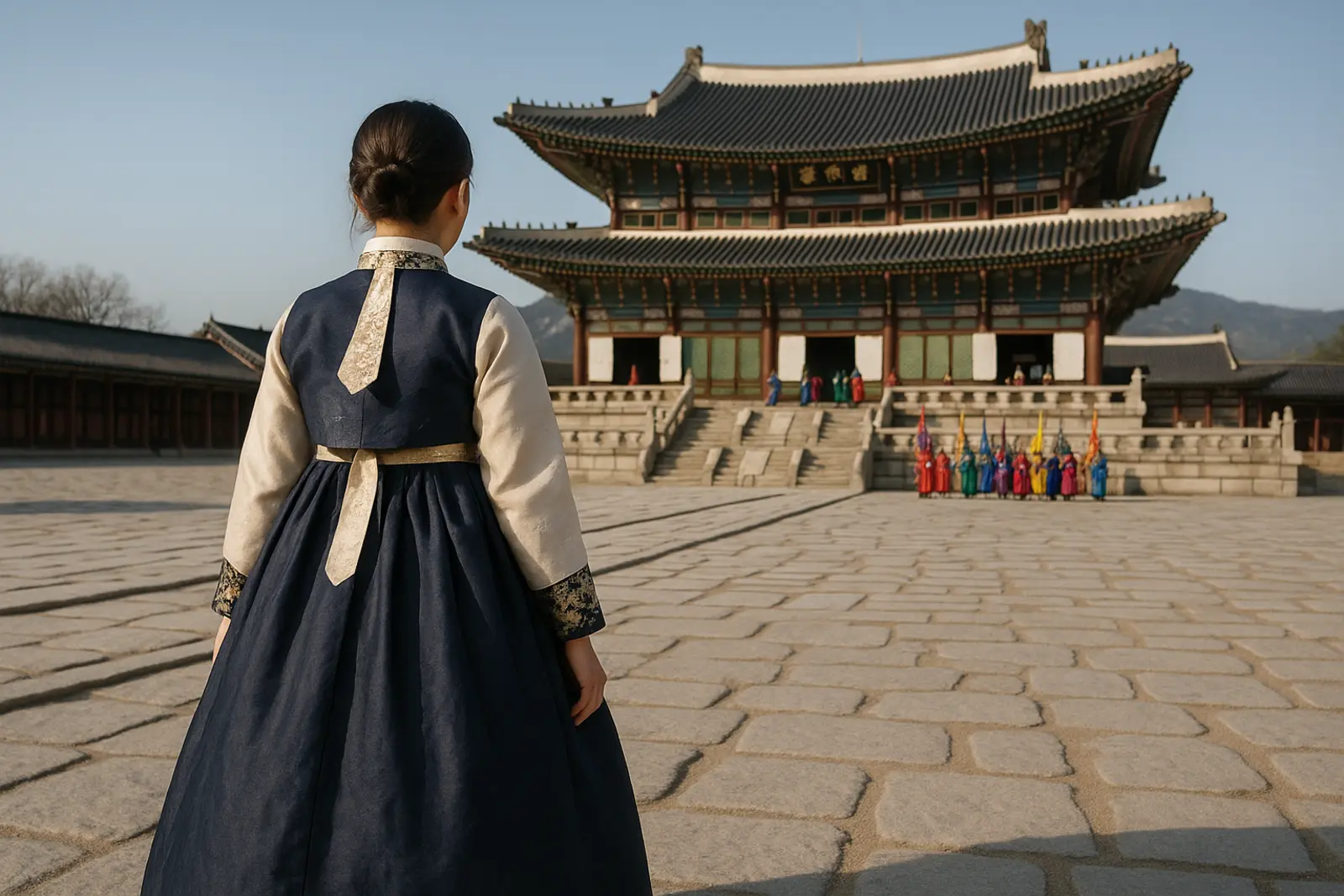
- Gyeongbokgung Palace The grandest of Seoul’s five palaces. Rent a hanbok for free entry, and time your visit around the royal guard changing ceremony at the main gate.
- Bukchon Hanok Village Traditional hanok rooftops between two palaces — and a real residential neighborhood. Go before 10am for the quiet, better version.
- Namsan & N Seoul Tower Walk the shaded forest path up from Myeongdong and arrive just before sundown to watch the city switch its lights on from the free terraces.
- The Han River parks Fried chicken delivered to the grass at Yeouido or Ttukseom, then convenience-store ramyeon while the bridges light up. Seoul’s best evening, almost free.
- The K-culture circuit Skip the agency lobbies: browse album shops in Myeongdong and Hongdae, catch the Hongdae buskers, and chase Seongsu’s pop-up stores instead.
Gyeongbokgung: hanbok first, then the gates
The grandest of Seoul’s five palaces, and the one we still bring every single visitor to. Two moves change the whole experience. First, rent a hanbok from one of the shops across the street — wearing one gets you in free, and walking those huge stone courtyards in full color is far less cheesy than it sounds. Nobody we’ve brought has regretted it. Second, time your visit around the royal guard changing ceremony at the main gate: drums, banners, and robes in colors you won’t see anywhere else in the city.
Go early on a weekday if you can. The light on Geunjeongjeon hall before the tour groups roll in is the photo you came for, and the back gardens near Hyangwonjeong pavilion stay calm even when the front is busy.
Bukchon Hanok Village: beautiful, and someone’s actual home
The hillside of traditional hanok rooftops between the two palaces is one of Seoul’s most photographed places — and a real residential neighborhood where people are trying to sleep, work and get their kids to school. Go before 10am: the lanes are quiet, the photo spots are empty, and you’re not part of the crowd problem. By noon it’s a slow-moving queue; the early-morning version is a genuinely different, better place.
Tip: Keep your voice low (there are signs asking for quiet, and patrol volunteers who will politely remind you), stay out of open doorways and courtyards, and don’t set up a tripod across a lane barely wide enough for one car.
Namsan and N Seoul Tower: walk up — honestly
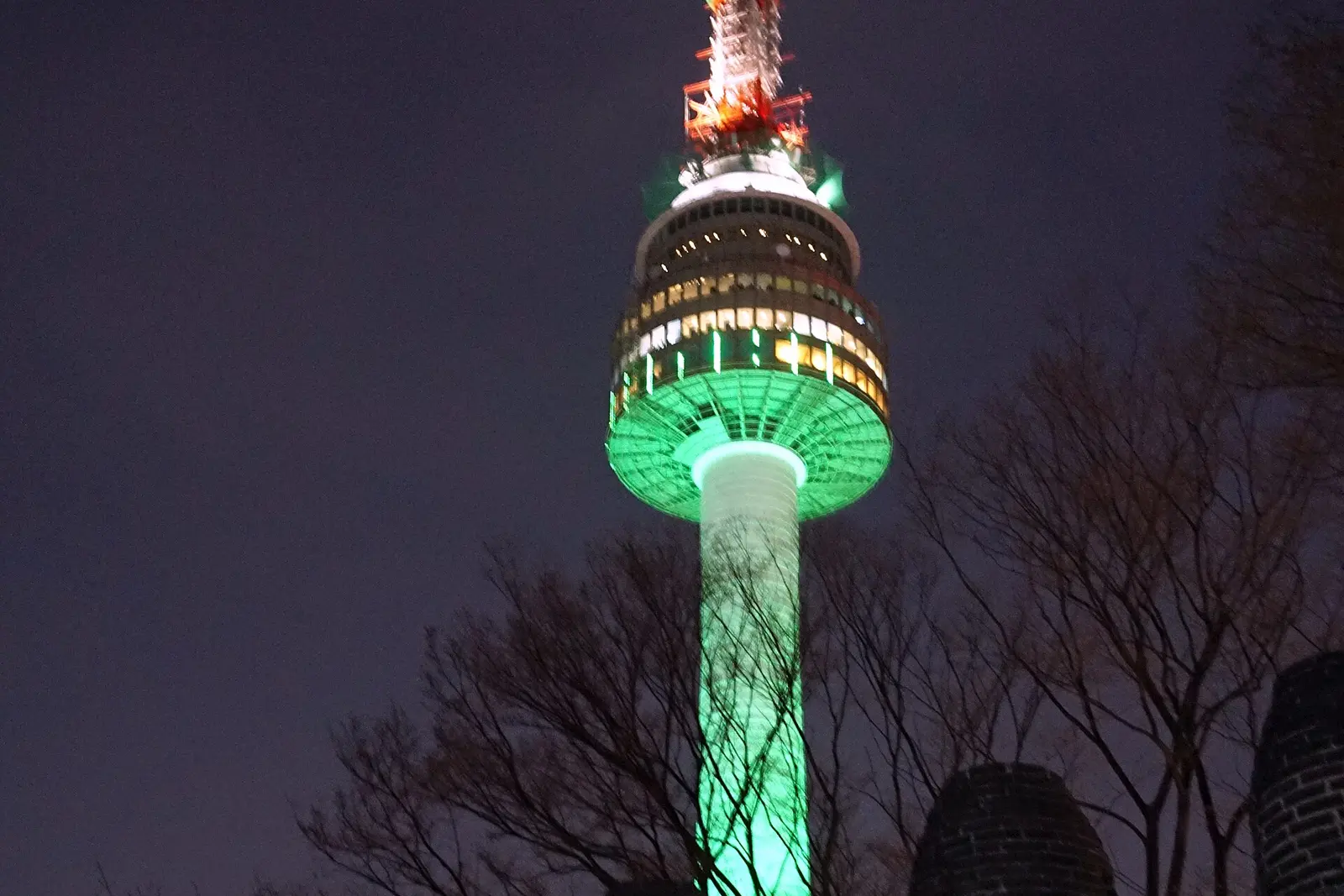
Everyone asks: cable car or walk? Our honest answer after years of taking guests up: walk up, ride down — or skip the cable car entirely. The forest path starting near Myeongdong takes about 40 minutes at a chatting pace, it’s shaded most of the way, and reaching the top feels earned. The cable car is fine, but the queue balloons right at sunset — exactly when you want to already be up there. Aim to arrive just before sundown and watch the city switch its lights on. That’s the moment everyone remembers, and it happens for free on the terraces around the tower’s base.
The Han River: Seoul’s best evening costs almost nothing
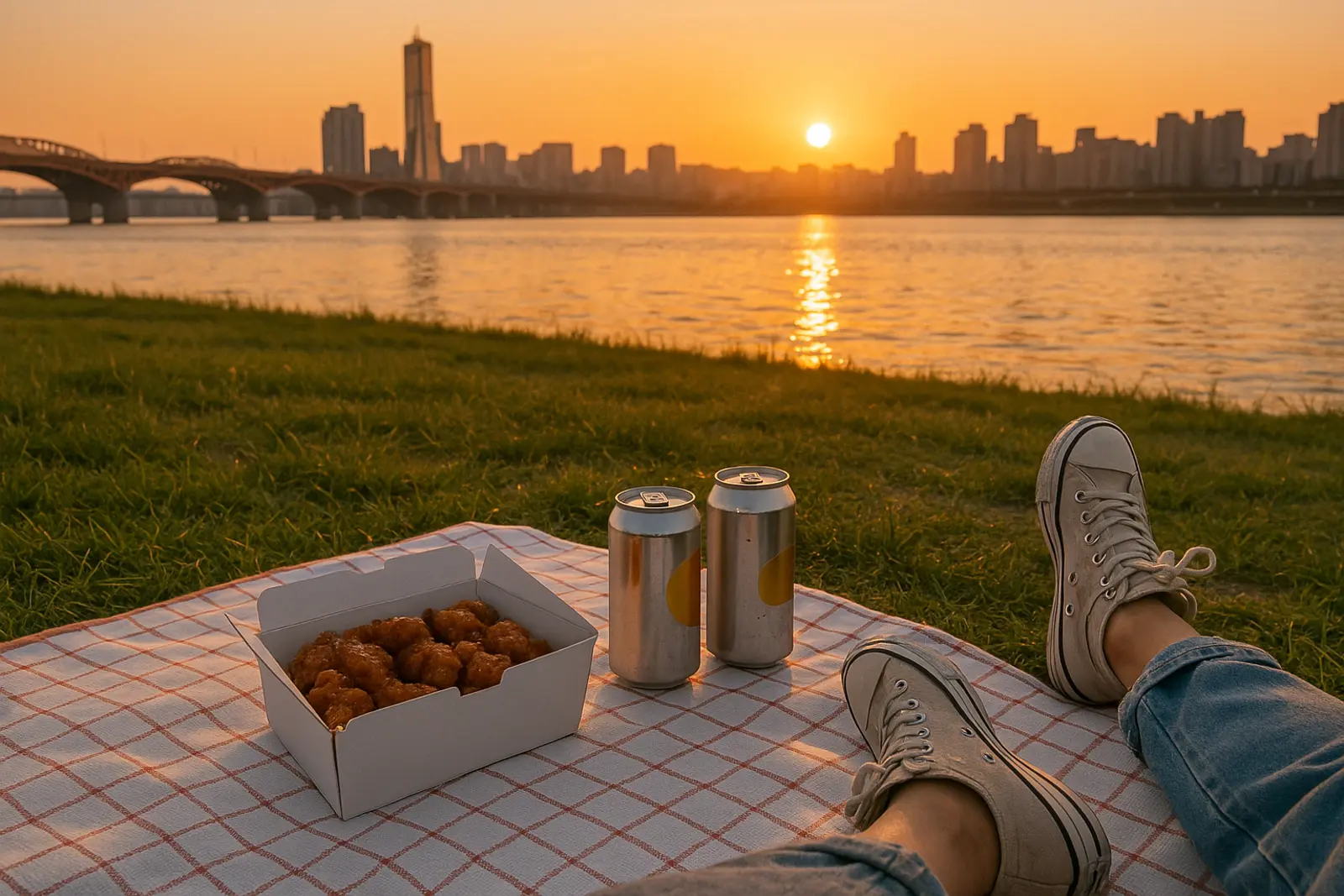
Our favorite “do what locals do” evening: take the subway to Yeouido or Ttukseom, spread a mat on the grass, and order fried chicken delivered to the park — the delivery zones are marked on the ground, and yes, this is completely normal here. Then do the other half of the ritual: walk into a riverside convenience store, buy instant ramyeon, cook it yourself at the hot-water station, add a cold can from the fridge, and eat at the outdoor tables while the bridges light up. Korean convenience stores are a legitimate cultural experience, and the riverside ones are their highest form.
The K-pop layer (with managed expectations)
If K-pop is part of why you came, know this going in: entertainment company buildings are office buildings. Fans gather outside HYBE’s headquarters and the agencies clustered around Gangnam and Apgujeong, but you’re mostly photographing architecture — nobody is coming out to wave. The better K-culture day is indirect: browse the album and merch shops in Myeongdong and Hongdae, catch the buskers on a Hongdae weekend night, and keep an eye on Seongsu, where labels and brands run pop-up stores constantly. Stumbling into a well-built pop-up beats standing outside a lobby every time.
Worth leaving the city: the DMZ
The world’s most heavily fortified border sits about an hour from downtown, and civilian access is by guided tour only. It’s a strange, sobering half-day that puts the palaces and the pop culture into a context nothing else can. On a short trip, weigh it against a city day; with four days or more, we think it earns its slot.
Tip: DMZ tours are popular and fill up — book well before your trip.
What to prioritize by season
- 🌸 Spring — Palace-and-hanbok season at its peak; blossoms along the palace walls. Check the fine-dust forecast before planning a long outdoor day.
- ☀️ Summer — Flip the schedule: palaces early, museums or malls in the humid afternoon, and make the Han River evening the headline. The river breeze is the city’s best air conditioning.
- 🍁 Autumn — The best all-round season. The Namsan forest walk in foliage and the palace courtyards under red maples are genuinely unreal.
- ❄️ Winter — Cold, but Bukchon under snow is the most beautiful version of it, and the night view from Namsan is at its sharpest in dry winter air.
The one thing we’d skip
The paid observatory at N Seoul Tower. The moment you came for — sunset fading, a million lights coming on — happens on the free terraces at the tower’s base, and the view from behind glass one level higher isn’t a different experience. Put that money toward chicken by the river instead. The love-lock fences are there if you want them; you don’t need our help with that.
There’s plenty more where these came from — our full Seoul things-to-do page keeps the running list, including Changdeokgung’s Secret Garden, which needs booking ahead and rewards it.
Everything above was checked on foot by Korea Tripbook editors, most recently August 2026. If something’s changed, it probably reopened cooler than before.