Seoul for First-Timers: The Only Guide You Need
We live here, and we still do the “first-timer course” a few times a year — every time a friend visits, we walk the same palaces, eat at the same market stalls, and re-learn what actually works and what’s a waste of a precious vacation day. This guide is that accumulated experience, written down. No tourism-board fluff: just what we’d tell a friend landing at Incheon tomorrow.
Before you land: three things to sort out
1. Money. Korea is largely cashless — foreign Visa/Mastercard work in nearly every café and restaurant. Keep ₩50,000–100,000 in cash for markets and street food (the grandmother frying your bindaetteok does not take Apple Pay). ATMs marked “Global” in convenience stores work with foreign cards.
2. Data. Buy an eSIM before you fly or grab a SIM at Incheon Airport. You’ll use data constantly — Korean addresses genuinely don’t work without a map app.
3. Maps. Google Maps barely works for directions here (a national security quirk). Download Naver Map or Kakao Map — both have English modes. For taxis, get Kakao T: works like Uber, takes foreign cards, and saves you from explaining an address in Korean at midnight.
When to come: Seoul by season
We get asked this more than anything else, so here’s the honest version:
🌸 Spring (Apr–May) — 10–23°C, dry, cherry blossoms in early April. The best time to come. Book accommodation early.
☀️ Summer (Jun–Aug) — 28–35°C, very humid, monsoon rains late June–July. Doable but sweaty — plan indoor afternoons and evening walks.
🍁 Autumn (Sep–Nov) — 10–25°C, crisp air, foliage late October–November. Tied with spring for best. The palaces in autumn are unreal.
❄️ Winter (Dec–Feb) — −10–5°C, dry, occasional snow. Cold but beautiful: cheap flights, no crowds, snow on hanok roofs. Pack real layers.
One local tip: check the fine dust (미세먼지) forecast in spring — on bad days locals wear masks and you’ll want indoor plans.
Getting around: the T-money card
Buy a T-money card at any convenience store (about ₩3,000, then load cash). It covers subway and buses in Seoul and most Korean cities, and even pays at convenience stores. The subway is world-class: English everywhere, runs roughly 5:30am–midnight, most rides under ₩2,000. One warning from experience — the last train really is the last train. After midnight it’s Kakao T or walking.
From Incheon Airport: AREX all-stop train to Seoul Station (~1 hour), or the airport limousine bus if your hotel is on a route — much easier with big luggage.
Where to stay (by travel style)
- Myeongdong — the classic first-timer base: central, endless food and shopping, direct airport bus. Touristy, but on trip one that’s a feature.
- Hongdae — nightlife, buskers, young energy. Best if you’re out late; direct AREX to the airport.
- Insadong / Jongno — near the palaces, traditional teahouses, quiet at night. For culture-first travelers.
- Gangnam — modern and upscale, best for K-fashion and beauty. Less convenient for the classic sights.
The classic route (and how to do it right)
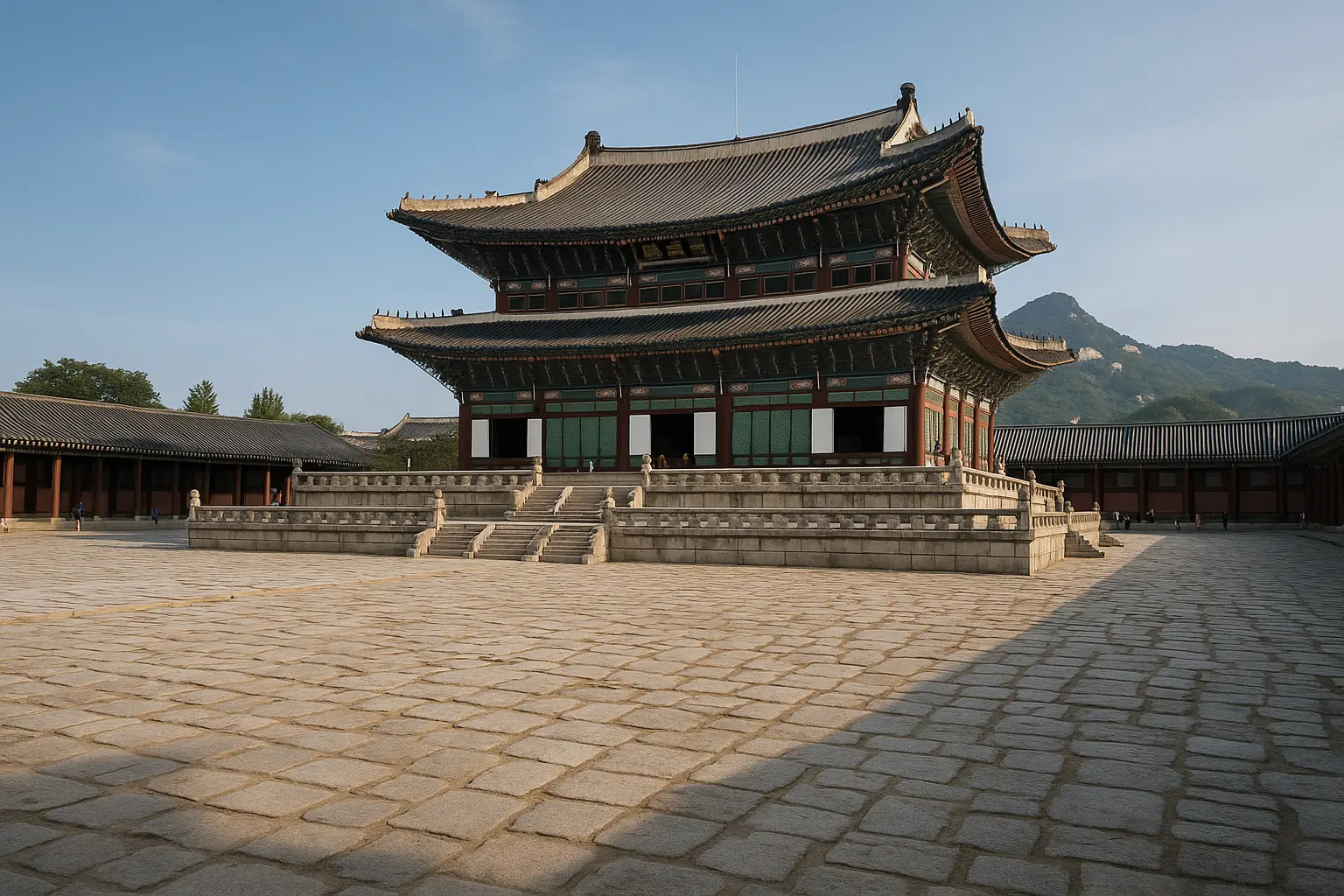
Gyeongbokgung Palace — arrive at opening (9am) and catch the royal guard ceremony. Rent a hanbok at one of the shops across the street and entry is free — and honestly, walking those courtyards in hanbok is less cheesy than it sounds. We do it with every visitor and nobody has regretted it yet.
If you want a feel for it before you go, this walking tour captures the palace-to-Bukchon route well:
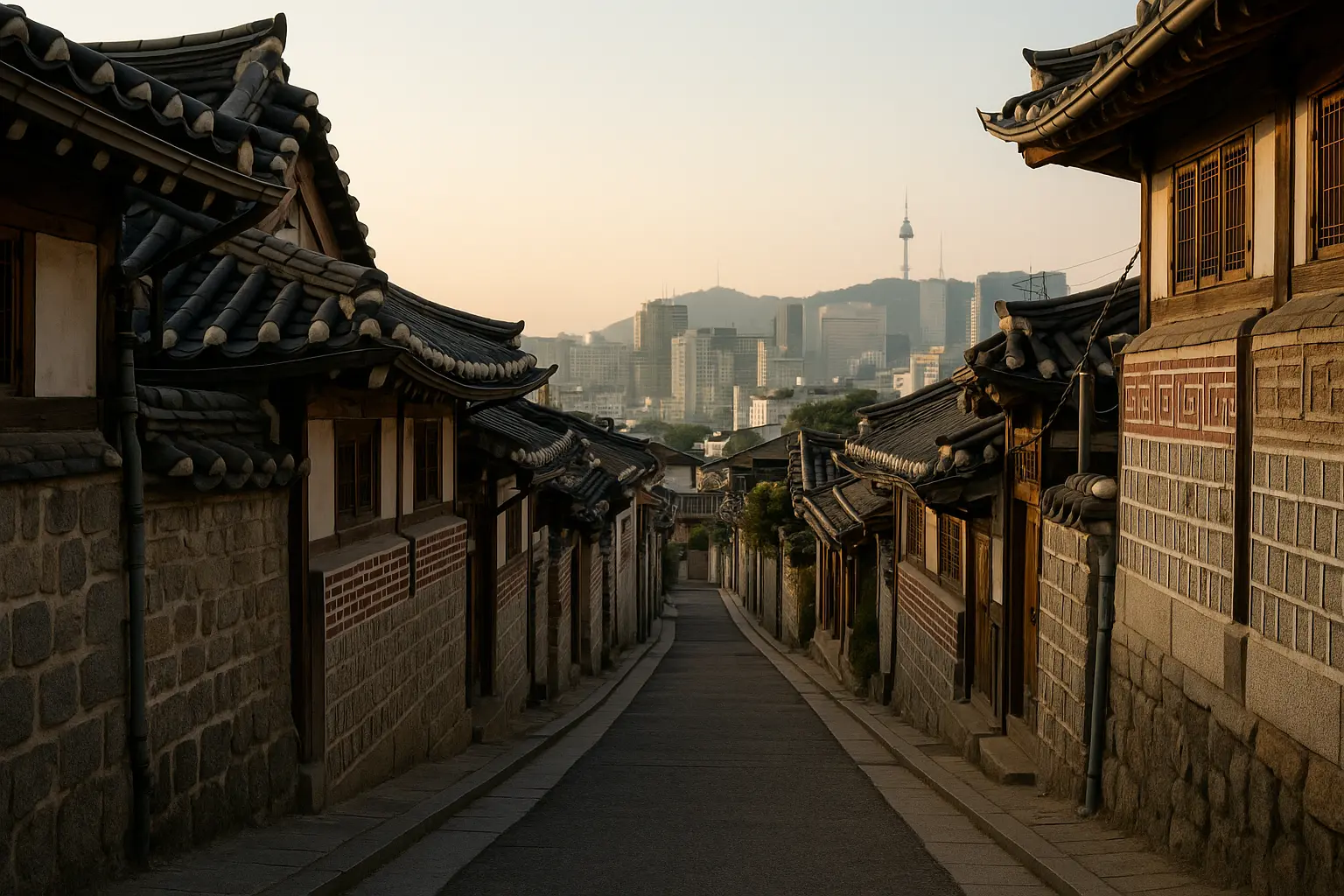
Bukchon Hanok Village — traditional rooftops on the hill between the two palaces. Go before 10am: it’s a real residential neighborhood, and the morning quiet (plus empty photo spots) is the whole point. By noon it’s a crowd.
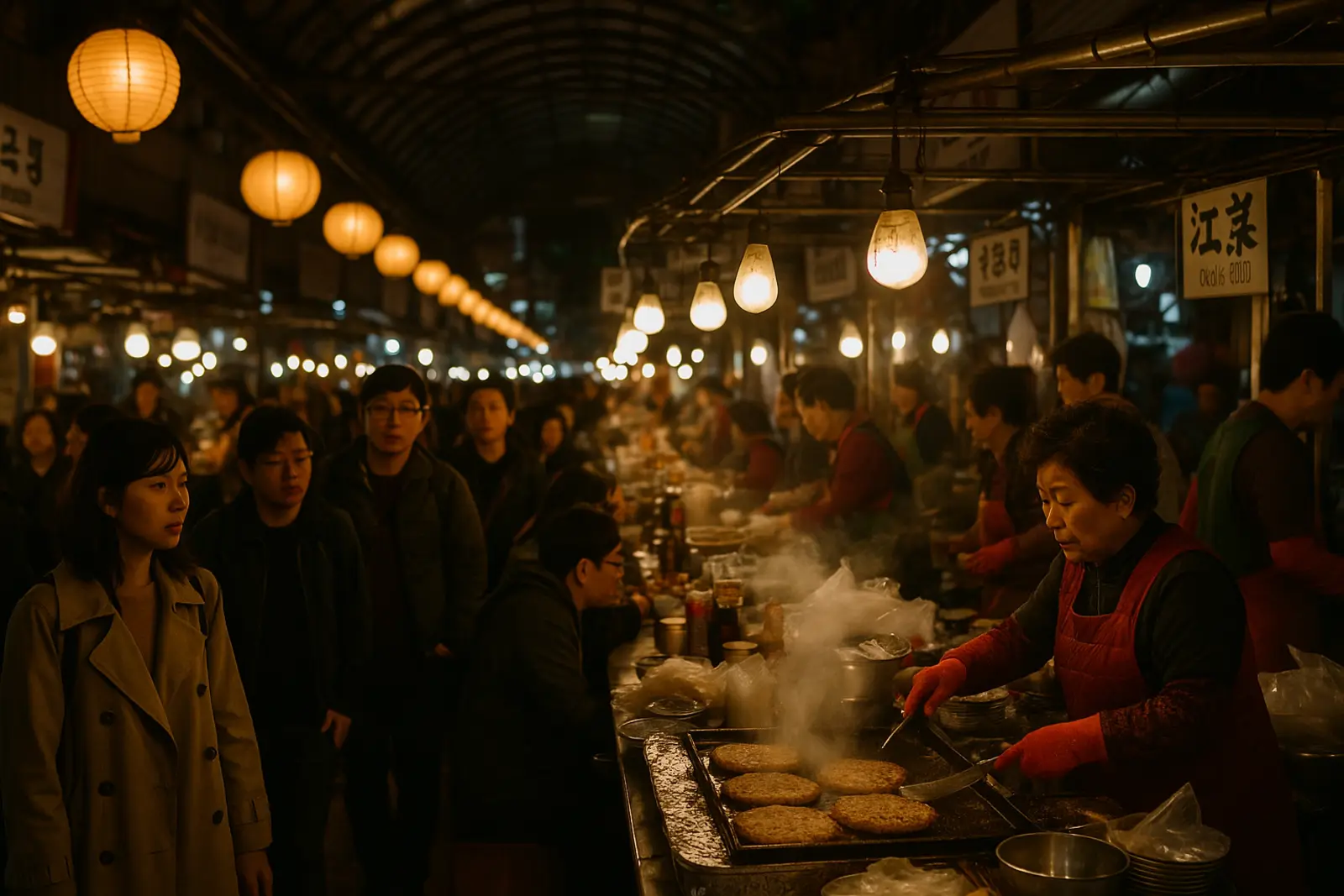
Gwangjang Market — the street-food classic: bindaetteok sizzling in oil, mayak gimbap, and yukhoe if you’re feeling brave. Sit at a stall, point at what your neighbor’s having, and you’ll be fine. Lunch here beats any food court in the city.
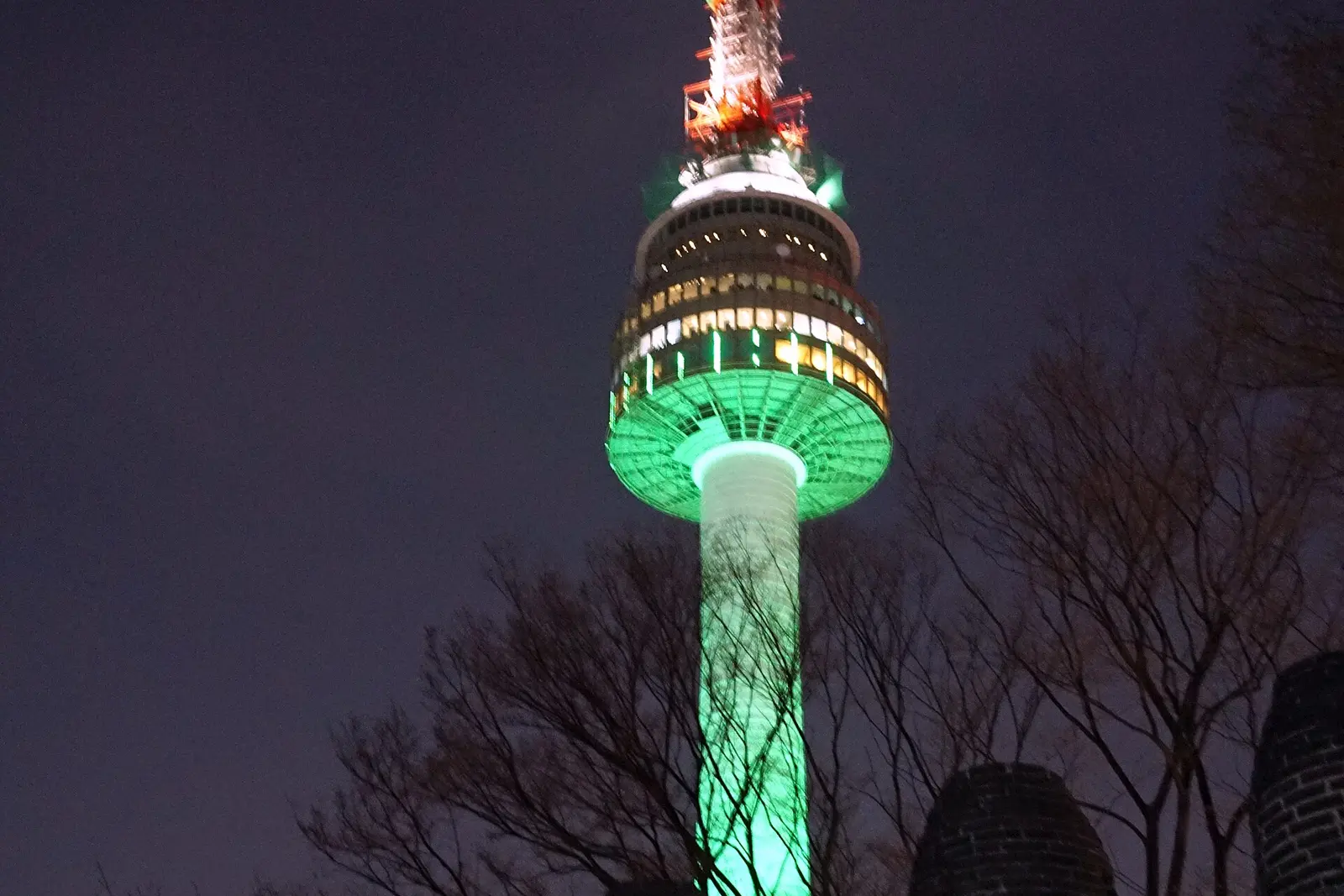
N Seoul Tower — time it for sunset-into-night; the moment the city lights come on is the one everyone remembers. Cable car from near Myeongdong, or a 40-minute forest walk up Namsan if you want to earn it.
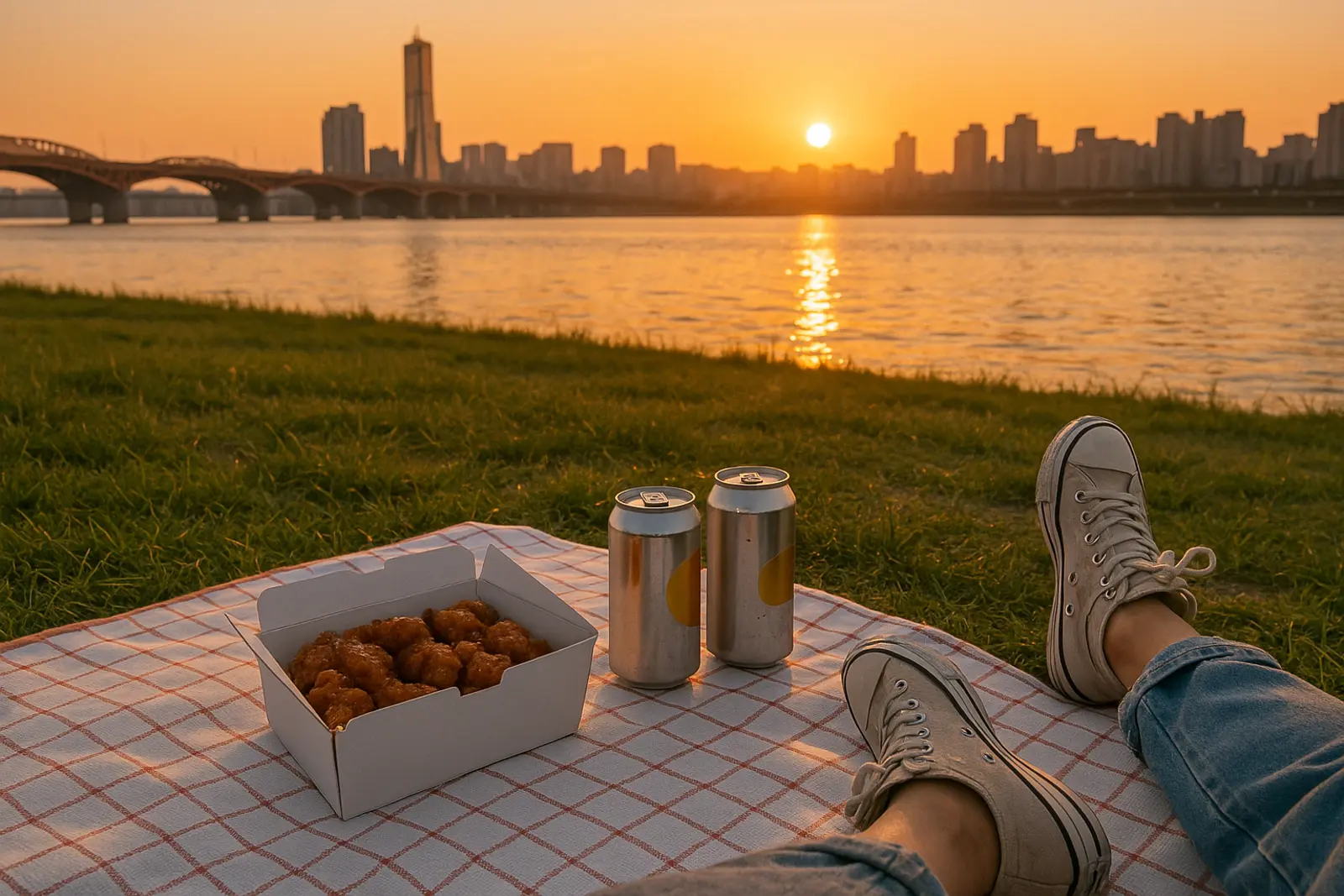
Han River (Hangang Park) — our favorite “do what locals do” evening: grab a mat, order fried chicken delivered to the park (the delivery zones are marked on the ground — yes, really), and watch the sun go down at Yeouido or Ttukseom.
Hongdae at night — buskers, street fashion, food until very late. Pair with neighboring Yeonnam-dong for calmer cafés.
What to eat (minimum viable list)
Korean BBQ (samgyeopsal at minimum, galbi if budget allows), bibimbap, a proper jjigae, Korean fried chicken with beer (“chimaek”), street tteokbokki, and one convenience-store breakfast — genuinely a cultural experience. If you book only one food thing, make it BBQ in Mapo or Jongno-3-ga.
Koreans, crowds and manners: what to expect
Koreans are kind but not small-talk people — don’t read quietness as rudeness. A few things that will make locals quietly appreciate you:
- Do accept and pour drinks with two hands; it reads as instant good manners.
- Do stand right, walk left on escalators, and let passengers off the subway first.
- Don’t talk loudly on the subway — it’s near-silent and everyone notices.
- Don’t stick your chopsticks upright in rice (funeral symbolism) or start eating before the eldest at a shared table.
- Don’t worry about tipping. There is none, anywhere, ever. Trying to tip mostly causes confusion.
- Do learn two words: annyeonghaseyo (hello) and gamsahamnida (thank you). The reaction is worth it.
A realistic 4-day shape
- Day 1: Gyeongbokgung → Bukchon → Insadong → Gwangjang Market → N Seoul Tower at sunset
- Day 2: Changdeokgung Secret Garden (book ahead) → Ikseon-dong cafés → Myeongdong shopping → BBQ dinner
- Day 3: Seongsu (Seoul’s Brooklyn) → Hangang picnic → Hongdae night
- Day 4: Day trip — DMZ tour (book ahead), Suwon Hwaseong Fortress, or a theme park day
What to skip on trip one
Teddy-bear museums and “K-star roads,” rooftop bars with entry fees (the Han River is free and better), and cramming both Everland and Lotte World into one trip. Seoul’s best moments are cheap: palaces, markets, river nights and neighborhood walks.
Everything above was checked on foot by Korea Tripbook editors, most recently August 2026. Spot something that’s changed? It probably reopened cooler than before.