Is Pre-Owned Luxury Cheaper in Korea? Real Prices + Tax Refund Explained
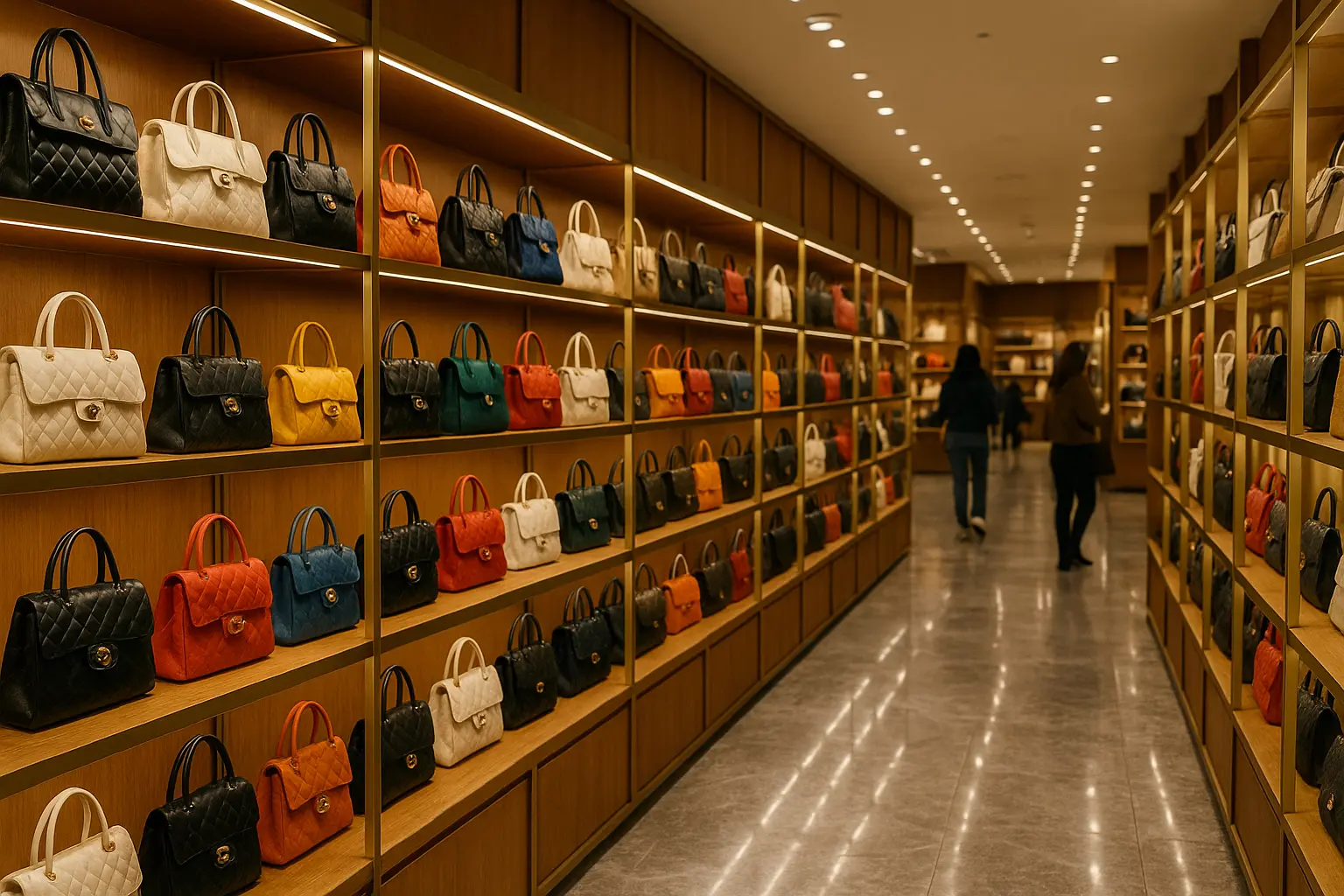
Short answer: yes, often — especially for pre-owned designer bags. A weak Korean won, one of Asia’s largest pools of authenticated resale stock, and a tourist tax refund that works even at pre-owned stores mean a lightly used Chanel or Louis Vuitton bag in Seoul frequently lands below what the same piece costs in the US or Japan. The honest caveat: rare Hermès models, discontinued colors, and limited Chanel pieces can trade at or above retail anywhere, Seoul included, and exchange rates move. Treat Korea as a market worth a serious price check, not a guaranteed discount.
We live in Seoul and walk these stores with visiting friends, so this is exactly what we tell them: why the math tends to work here, what you pay channel by channel, how the tax refund works, and where to compare prices in person. For the full retail route, see our Seoul Luxury Shopping Guide.
Why Korea Is Competitive for Pre-Owned Luxury 🛍️
Three things stack in your favor on the same shopping day:
- A weak won Brands set regional prices, so when the won slides against your home currency, both new retail and pre-owned asking prices effectively get cheaper for you. On a four-figure bag, the gap is meaningful.
- Supply density Gangnam concentrates flagships, department-store boutiques, and thousands of authenticated pre-owned pieces within one subway ride, so you can check new retail and resale on the same model in a single afternoon.
- A younger resale culture Korea’s secondhand luxury market took off more recently than Japan’s, and sellers turn over recent-season items quickly — so current and last-season bags in near-mint condition appear far more often than in vintage-heavy markets.
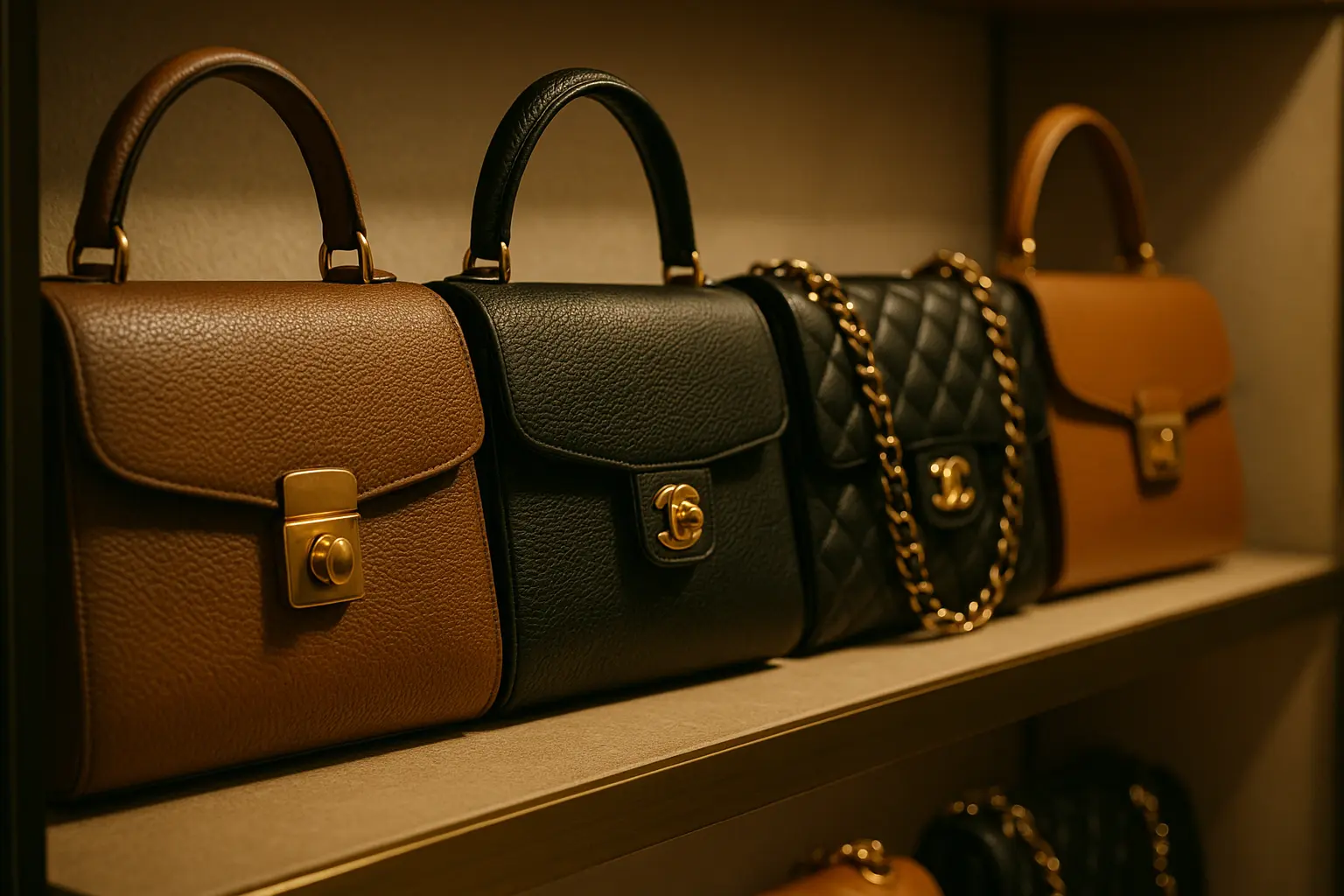
The flip side is thinner vintage depth: for a 1990s-era piece or a long-discontinued line, Tokyo’s dealers still have the edge. Korea’s sweet spot is the bag released two seasons ago, carried a dozen times, and sold on.
What You Actually Pay: New vs Pre-Owned vs Back Home 💱
The only comparison that matters is the same reference across channels, converted into one currency. Treat every line below as approximate — exchange rates, boutique prices, and resale asking prices all move:
| Market / Channel | What you pay |
|---|---|
| 🇺🇸 Home-country boutique (new) | Full regional retail plus local sales tax — usually the highest all-in number for Americans |
| 🇰🇷 Korea boutique (new) | Korean retail minus the tourist tax refund — check the won price and convert on the day |
| 🇰🇷 Korea pre-owned (authenticated) | Typically below new Korean retail for recent-season bags — the gap depends on model, condition, and demand, so check on the day |
| 🌏 Home-country resale platforms | Listing price plus platform fees, shipping, and possibly import duties — compare the landed total, not the sticker |
For a sense of scale on the new-retail side: at our August 2026 snapshot, the Chanel Classic Large Flap in grained calfskin (A58600) was about $15,600 in the US (sales tax included), $13,280 in Korea before any tourist tax refund, and roughly $14,290 in mainland China — Korea about $2,320 under the US before the refund even entered the picture.
We deliberately do not print pre-owned prices: resale stock is one-of-one, and a number quoted today would be wrong by the time you land. Instead, look up your home retail price before the trip, then compare it against the live won price in the store, converted at the day’s rate.
Price-check note: The A58600 figures are a snapshot, not fixed global prices. Exchange rates, regional adjustments, and refund eligibility all change — confirm the exact reference, material, and checkout price on the day.
When Korea is NOT cheaper
Honesty saves money, so here is the other side. Hermès quota bags and hyped limited editions carry resale premiums in Seoul just like everywhere else — scarcity prices globally, not locally. A strong-won stretch can erase the exchange advantage entirely, so re-run the math before you fly. Entry-level small leather goods often cost less during home-country sales or at outlets. And for older vintage pieces, Japan’s deeper market usually wins on selection and price.
Skip this: Don’t fly to Korea because of one hyped bag. Come for the trip, check prices here, and buy only when the same-reference math works in your favor.
The Tourist Tax Refund, Step by Step 🧾
Korea’s tourist tax refund applies at Tax Free–affiliated stores — including department stores and some authenticated pre-owned boutiques — and is easier than most first-timers expect. The official reference is VISITKOREA’s tax refund guide; here is the on-the-ground version:
- Shop at a Tax Free store and spend ₩15,000 or more Look for the Tax Free logo or ask before paying. The minimum is per receipt, so a designer bag clears it effortlessly.
- Show your passport at purchase The refund paperwork is tied to your passport, not your card — no passport at the register, no refund later.
- Take the immediate in-store refund when offered Many stores deduct the refund at checkout up to a per-purchase limit — no airport queue for that item. Above the limit, you get refund slips to process at departure.
- Keep the goods unused and accessible Items must leave Korea unused. Keep the bag, tags, receipts, and slips reachable — not buried in checked luggage — in case customs asks.
- Confirm export at the airport At Incheon or Gimpo, scan your slips at the tax refund kiosks; high-value items may need a customs export confirmation stamp first. Collect remaining refunds in cash or to your card.
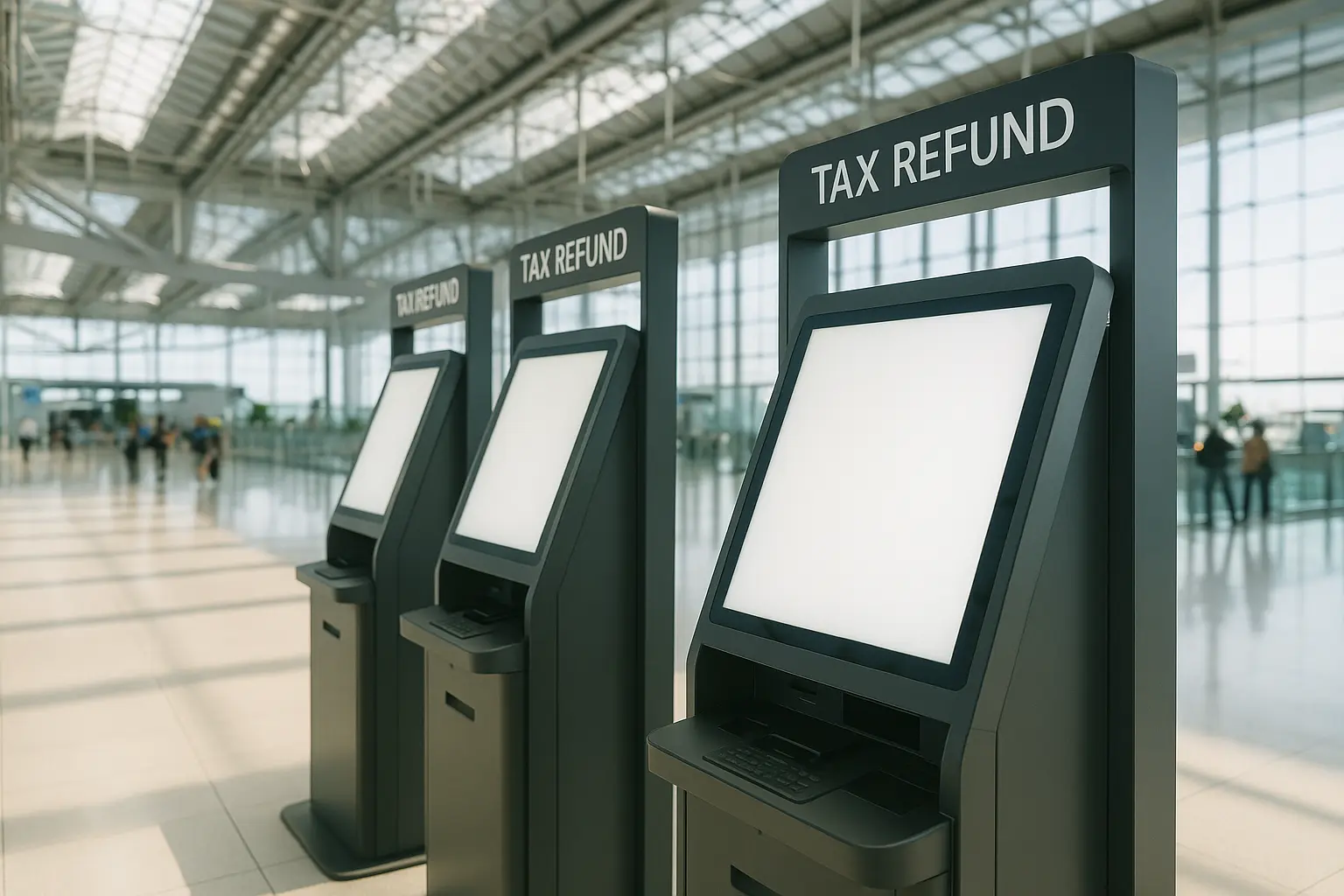
Local tip: Do the refund paperwork the moment you buy. In-store immediate refunds settle everything on the spot — far better than a kiosk queue before a long-haul flight.
Exchange-rate and card tips
Two rules protect the discount you just worked out. First, always pay in Korean won. A terminal offering to charge you in dollars, euros, or yen is using dynamic currency conversion (DCC) — a rate markup that quietly eats several percent of exactly the kind of large purchase you came for. Press the won option every time. Second, check your card’s foreign transaction fee and bring a backup card; a declined transaction on a one-of-one pre-owned bag is a painful way to lose it.
Save money: If the terminal shows your home currency anywhere, ask staff to re-run the payment in KRW — a normal request that takes ten seconds.
Where to Compare Prices in Person 📍
Do this in two moves, ideally on the same day. Start with new retail: the Cheongdam flagship row and the Galleria and Hyundai luxury halls give you live Korean retail prices — walking order in our Seoul Luxury Shopping Guide and Gangnam Shopping Top 10. Photograph price tags and note exact references; “the same bag” can differ by leather, hardware, and season.
Then check the same references against pre-owned. The most efficient single stop is tren:be Gangnam Center, Korea’s largest pre-owned luxury store, with around 10,000 authenticated pieces — usually enough depth to line up the same model across several years and conditions and inspect corners, hardware, and interiors yourself. Staff handle international cards and English, and the tourist tax refund is processed in-store with your passport (official store page). If you’re buying, check our tren:be perks page first. For the pre-owned hunt in depth — including other stores worth your time — see our sister guide, Where to Buy Secondhand Chanel & Hermès in Seoul.
- 📍 Google Maps: tren:be Gangnam Center — 4-5 Sinbanpo-ro 47-gil, Seocho-gu, Seoul (1F)
- 🚇 Best by public transport: Line 7 to Nonhyeon Station, Exit 7 — about 1 minute on foot. Subway is easiest.
- 🚕 Taxi: Practical on the way out if you’re carrying several large shopping bags; the fare from Apgujeong or Cheongdam is short.
- 🕙 Hours: Daily 10:00–21:00
- 💳 Payment: International cards accepted; in-store tax refund with passport
One fairness note: tren:be is the biggest single floor, but no store always has the best price on your exact reference. Compare the flagship row, a department store, and at least one resale floor before committing — that comparison is why Seoul works.
FAQ
Is luxury cheaper in Korea than in the US?
Often, yes — especially for pre-owned designer bags, and frequently for new retail when the won is weak. At our August 2026 snapshot, a Chanel Classic Large Flap (A58600) was about $2,320 cheaper in Korea than in the US before any tax refund. Rare and limited pieces can cost the same or more.
Can tourists get a tax refund on pre-owned luxury in Korea?
Yes, at Tax Free–affiliated stores. Spend ₩15,000 or more, show your passport at purchase, keep the item unused, and confirm export at the airport. Some stores, including tren:be Gangnam Center, process an immediate refund in-store.
Where can I compare new and pre-owned luxury prices in Seoul?
Check new retail on the Cheongdam flagship row and in the Galleria and Hyundai Apgujeong luxury halls, then compare the same references at tren:be Gangnam Center (Nonhyeon Station, Line 7, Exit 7), which holds around 10,000 authenticated pre-owned pieces.
Should I pay in won or my home currency?
Always in Korean won. A terminal offering your home currency is using dynamic currency conversion, whose marked-up rate typically costs several percent on a large purchase. Choose KRW and let your card network convert.
Everything above was checked on foot by Korea Tripbook editors, most recently October 2026. Brand prices, exchange rates, tax-refund procedures, and store inventory can change without notice — confirm them again on the day you shop.