Seoul Neighborhoods Guide: Where to Go for What
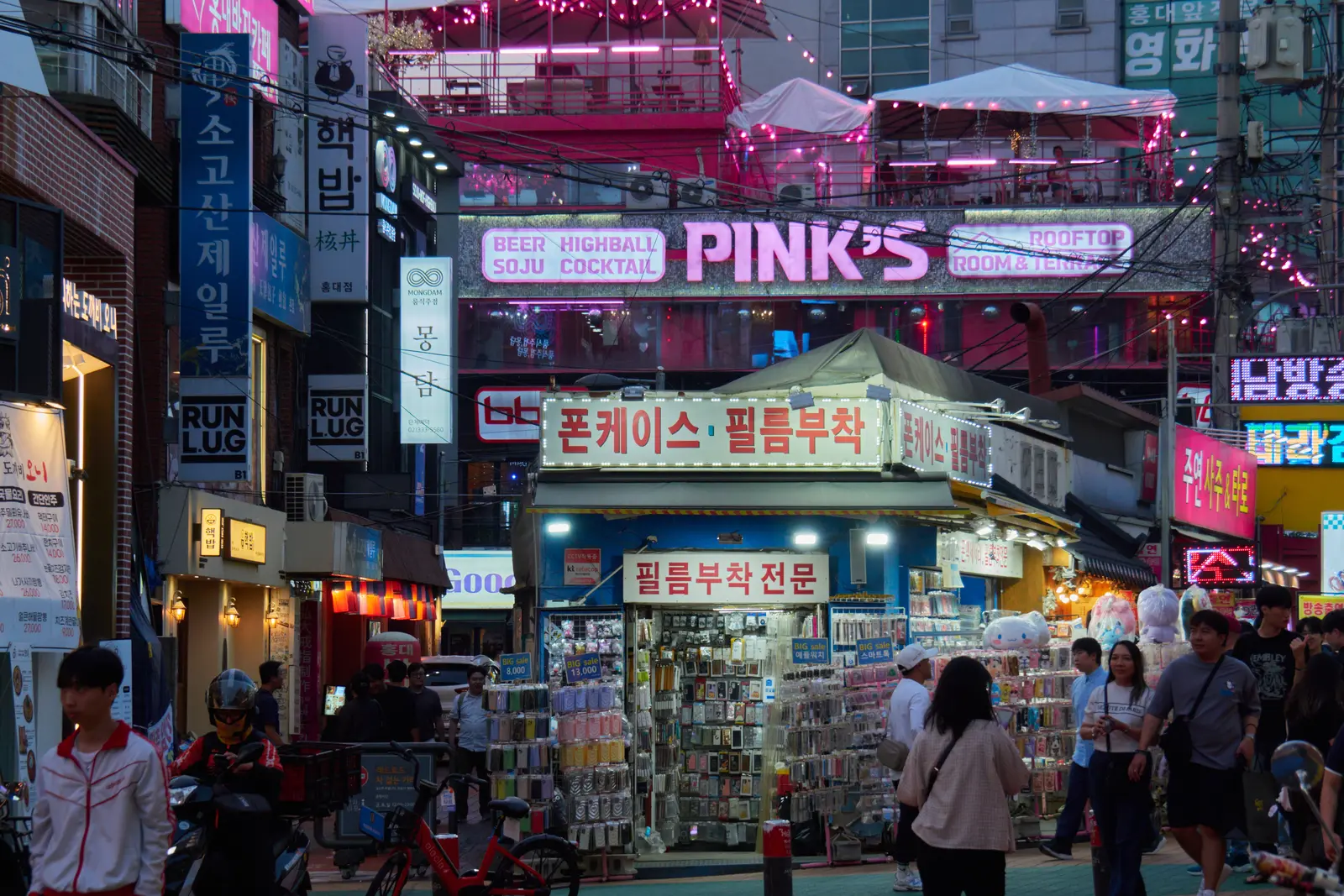
Seoul is a city of neighborhoods, each with its own gravity: Hongdae’s stage energy, Seongsu’s warehouse cool, Ikseon-dong’s hanok lanes, Gangnam’s polish. When friends visit, the question we get isn’t “what should I see?” — it’s “where should I be?” And that’s the right question, because picking the wrong neighborhood for your mood is the fastest way to waste a Seoul day. Our rule after years of hosting: two neighborhoods per day, max. Here’s what each one is actually for, and how to choose. For the full area rundowns, our neighborhood pages go deeper on each.
Our five favorite neighborhoods, ranked
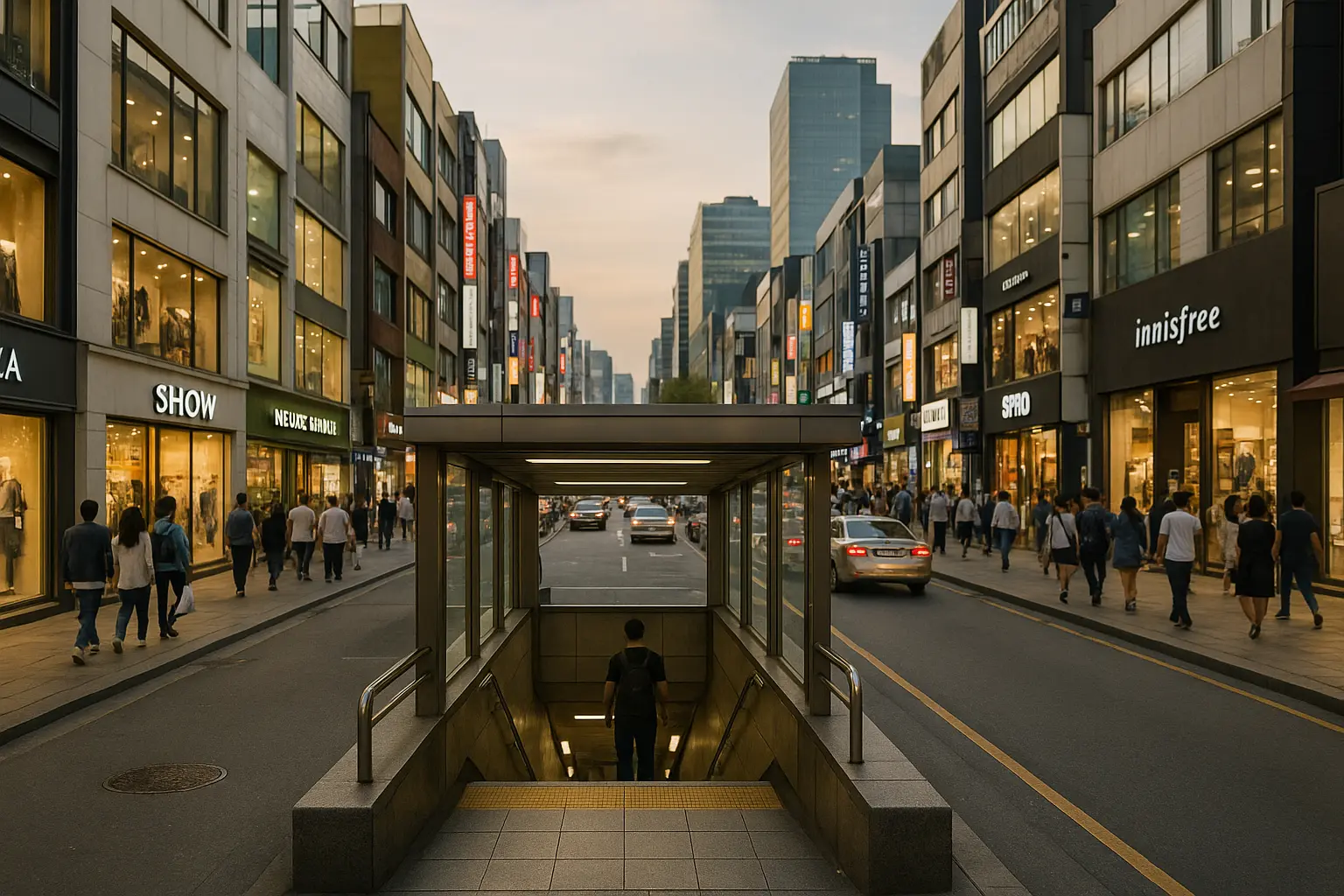
- Hongdae & Yeonnam-dong Buskers, street fashion, and nightlife that runs until sunrise — the university district where the show never ends.
- Seongsu Cafés in converted factories, a constant churn of brand pop-ups, and the select shops where Korean fashion happens right now.
- Bukchon & Insadong Hanok rooftops and teahouses in the palace quarter. Enter the designated Bukchon Red Zone only during posted daytime visitor hours and respect residents.
- Ikseon-dong Low-slung hanok alleys packed with cafés and dessert shops — the sweet course between a palace morning and a market lunch.
- Itaewon & Hannam Seoul’s international quarter: dinner options spanning continents, plus Hannam’s quieter select shops and galleries.
Hongdae: the stage that never closes
Hongdae is buskers, street fashion, and nightlife that runs until sunrise — a university district that decided the show should never end. By day it’s shopping and cafés; after dark the main drags turn into a rotating open-air performance, with dance crews and singers claiming corners while the crowd flows between them. If your Seoul fantasy involves neon, noise, and eating something on a stick at 2am, this is your home base. Bonus for travelers: the AREX airport train stops at Hongik University Station, so you can reach the area directly from the airport. Our Hongdae & Yeonnam-dong guide separates the loud shopping streets from the calmer park-and-café side.
Tip: When the volume gets to be too much — and it will — neighboring Yeonnam-dong is a ten-minute walk and a full decibel level calmer.
Seongsu: Seoul’s Brooklyn (the label fits)
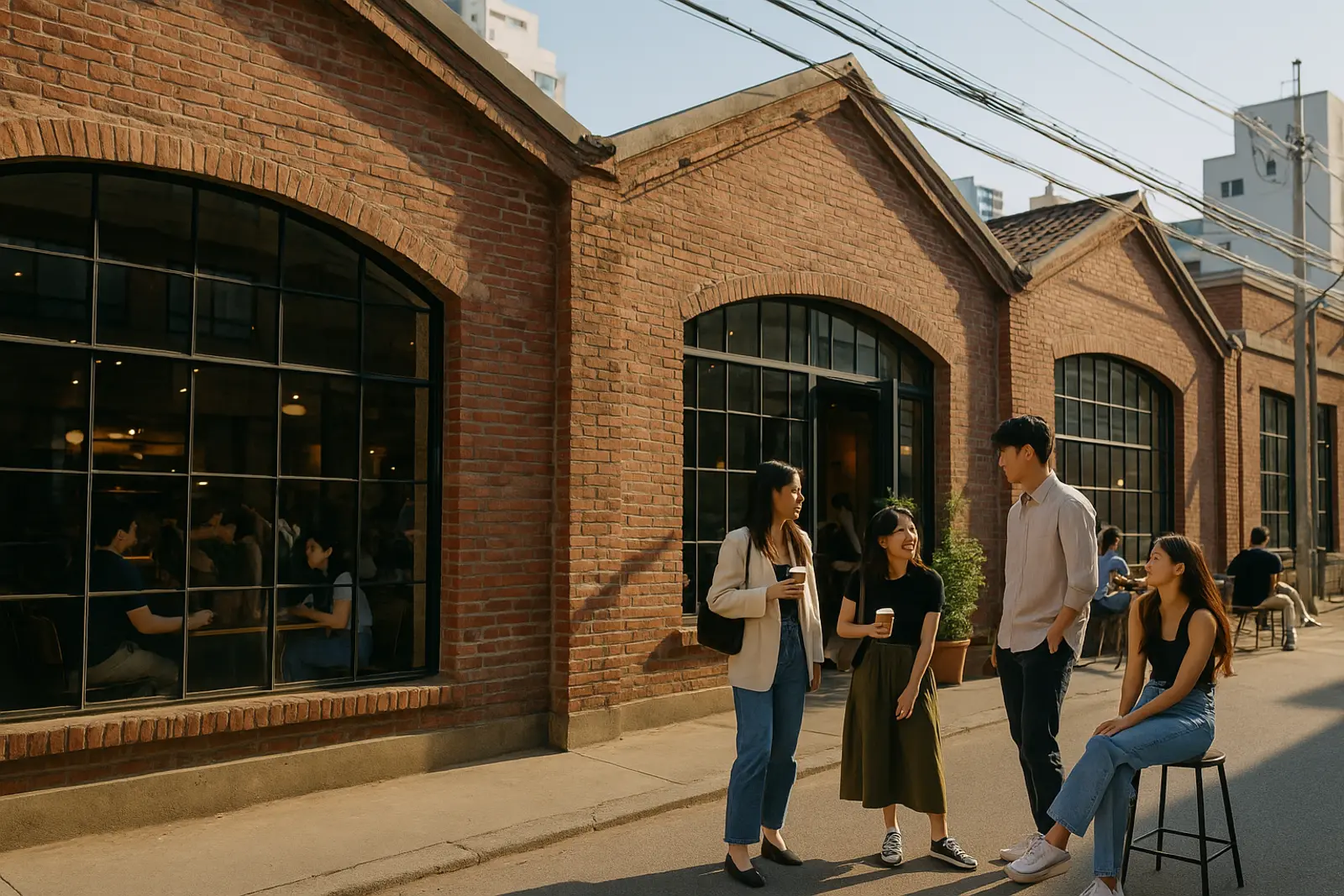
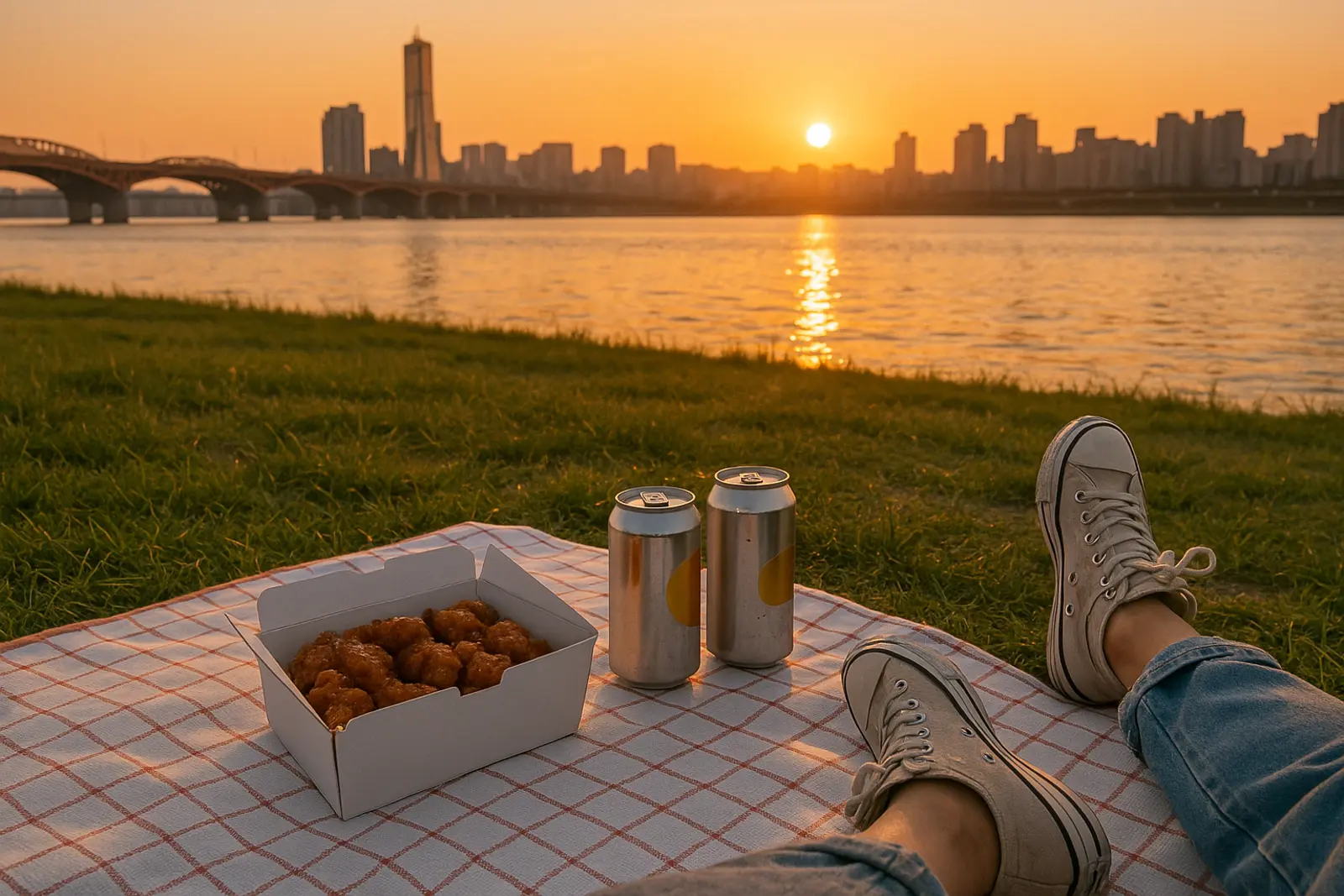
Everyone calls Seongsu “Seoul’s Brooklyn,” and for once the comparison holds: cafés in converted factories, a constant churn of brand pop-ups, and the select shops where Korean fashion actually happens right now. This is where Seoul’s café culture peaks — come for a slow afternoon of espresso bars, design stores, and whatever pop-up has a queue outside this month. It’s on Line 2, and it pairs naturally with an evening by the Han River nearby. If you care more about what Koreans in their 20s are wearing and drinking than about palaces, spend your afternoon here, not in Myeongdong. Use our Seongsu-dong guide for a route that still works when this week’s pop-up closes.
Bukchon & Insadong: the hanok morning
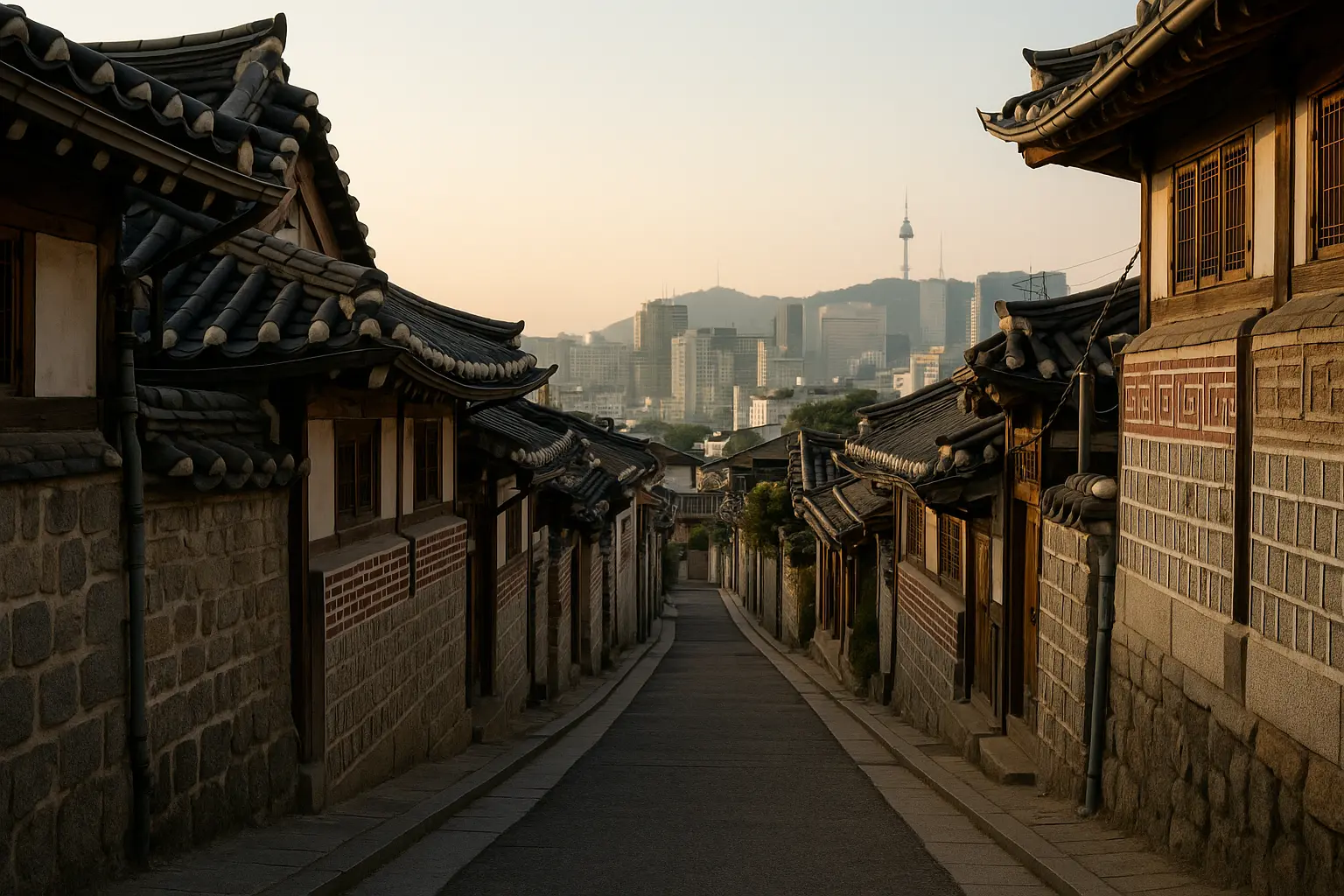
Bukchon Hanok Village is the postcard: traditional tiled rooftops climbing the hill between two palaces. The crucial thing to understand is that it is a real residential neighborhood. The designated Bukchon-ro 11-gil Red Zone restricts tourist visits from 5pm to 10am, with fines for violations. Visit only during posted daytime hours, follow current signs, keep voices low and never photograph through an open residential gate.
Down the hill, Insadong is the traditional-crafts-and-teahouse strip: galleries, calligraphy brushes, ceramics and quiet places to sit with a cup of something warm. Anguk Station drops you between the two. Our Bukchon, Insadong & Ikseon-dong guide explains the current visitor rules and the most practical walking order.
Ikseon-dong: hanok alleys, dessert edition
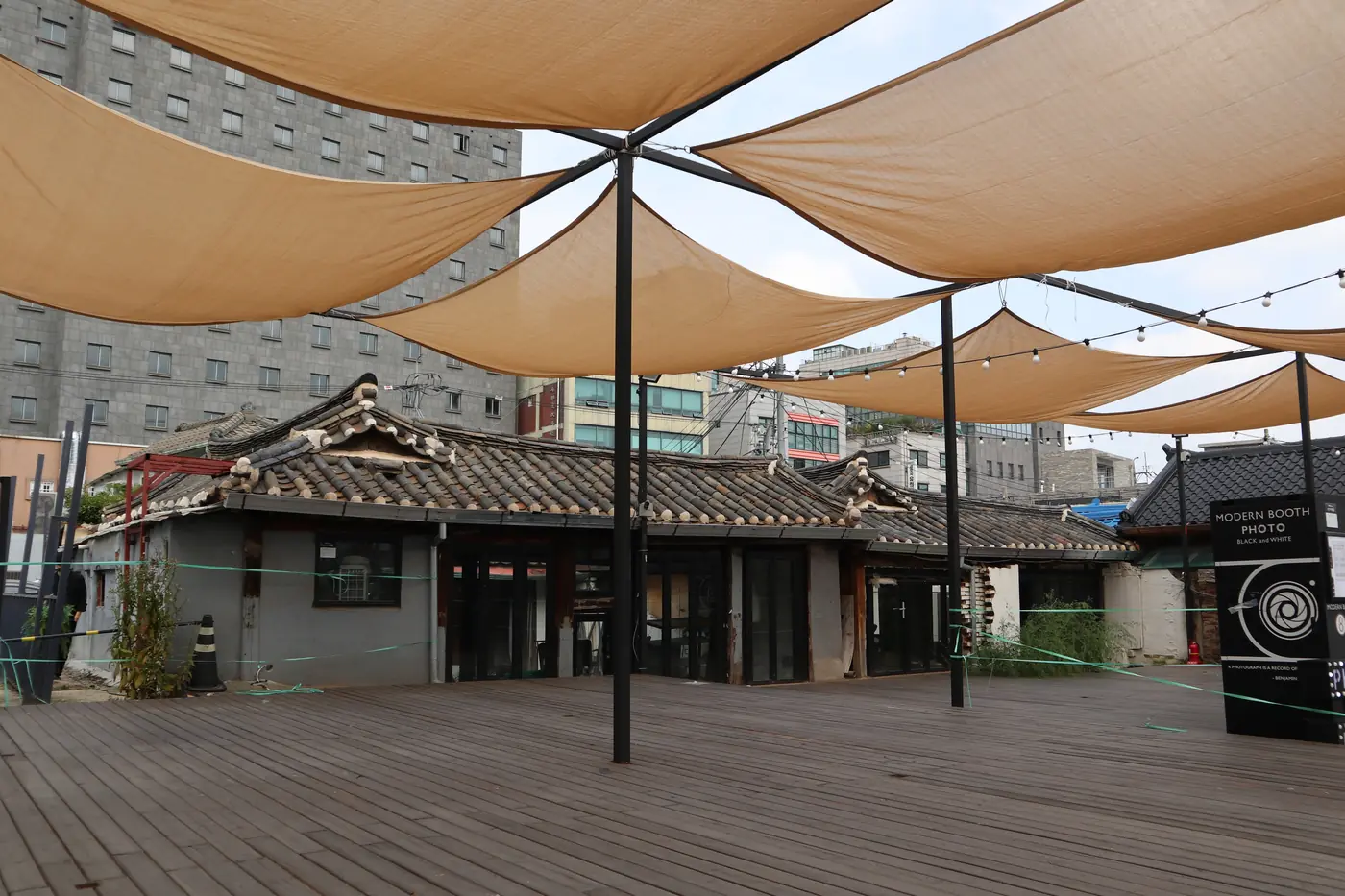
Ikseon-dong took the same hanok bones as Bukchon and went a completely different direction: the low-slung alleys are now packed with cafés and dessert shops, shoulder-to-shoulder on lanes barely wide enough for two people. It’s small — an hour or two, not a day — and best treated as the sweet course between a palace morning and a market lunch. It sits near Jongno 3-ga, which also happens to be one of our favorite BBQ dinner districts, so the evening plans itself. It is included in our Bukchon, Insadong & Ikseon-dong guide.
Myeongdong: efficient, touristy, and fine with it
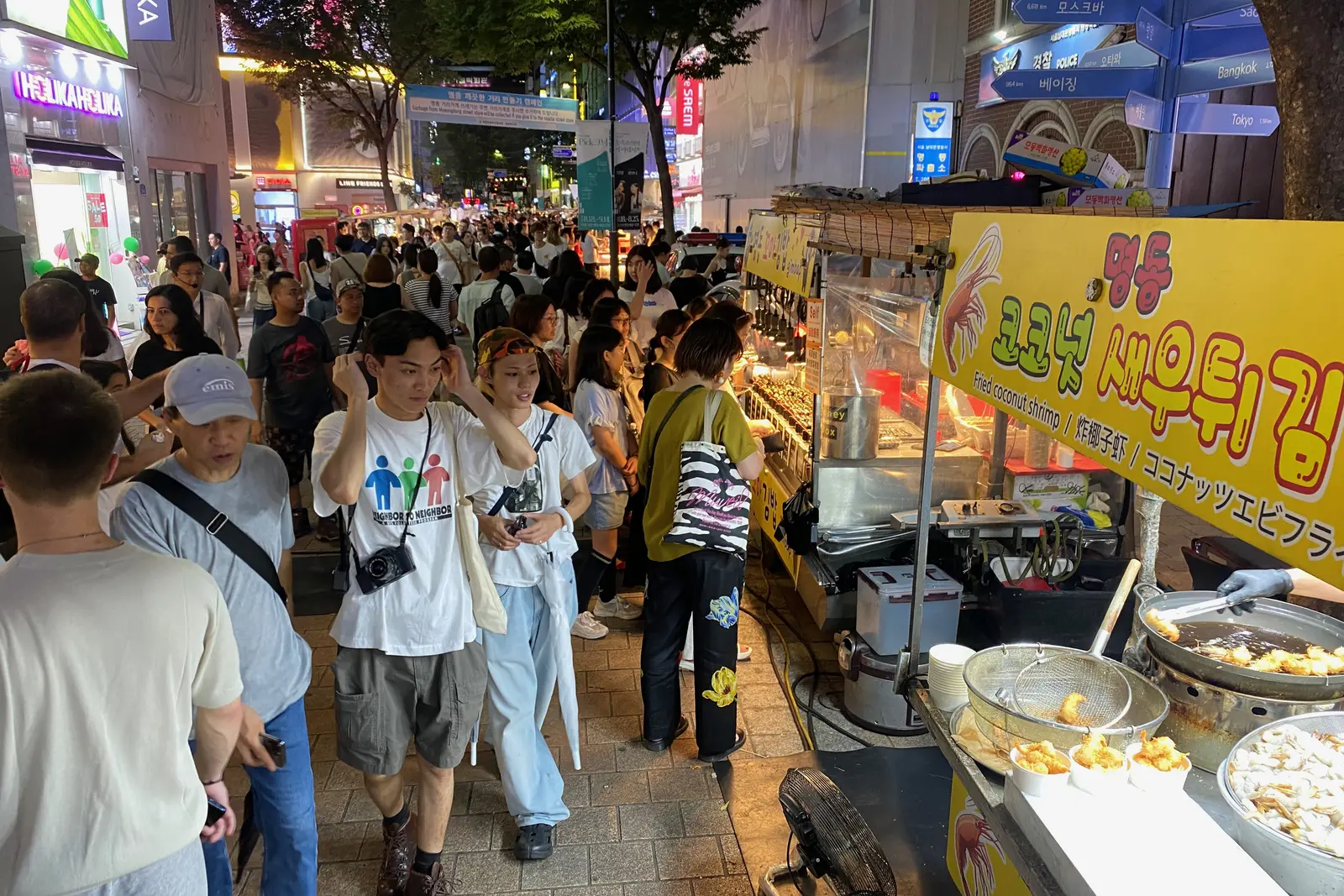
Myeongdong is K-beauty flagship stores and street food, engineered for visitors — English signage, tax refunds, every skincare brand you’ve seen online within a three-block radius. Locals will tell you they never go, and that’s true, but it misses the point: nowhere else lets you finish your entire cosmetics shopping list and eat your way down a street-food row in one evening. Myeongdong station is on Line 4, and Namsan’s cable car is walkable from here. Treat it as a focused half day with snacks, not the definition of the entire city. Our Myeongdong guide connects beauty shopping with Namdaemun, the cathedral and Namsan.
Gangnam & Apgujeong: our honest take
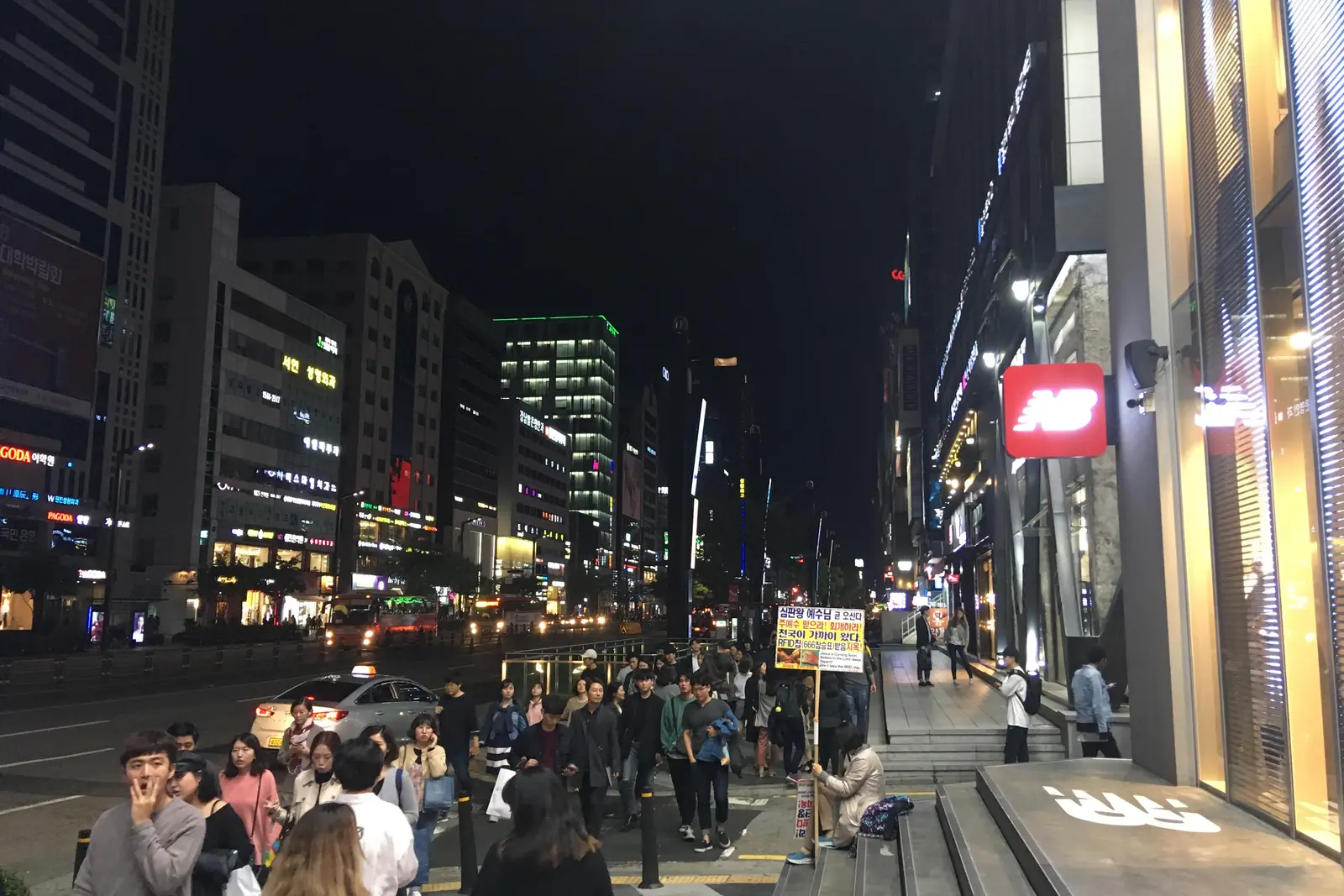
Here’s the thing we tell every visitor: Gangnam is overrated for tourists unless you’re here to shop or you’re a K-pop fan. The famous skyline is mostly office towers, and the song came out a long time ago. What Gangnam and Apgujeong do deliver: luxury shopping (the flagship rows are genuinely impressive), K-pop agency buildings that fans make pilgrimages to, and a polished, moneyed atmosphere you won’t find north of the river. If either of those is your trip, come — Line 2 runs straight through. If neither is, a quick evening look is plenty, and your daytime hours are better spent in Seongsu or the palace quarter.
Itaewon & Hannam: the international quarter
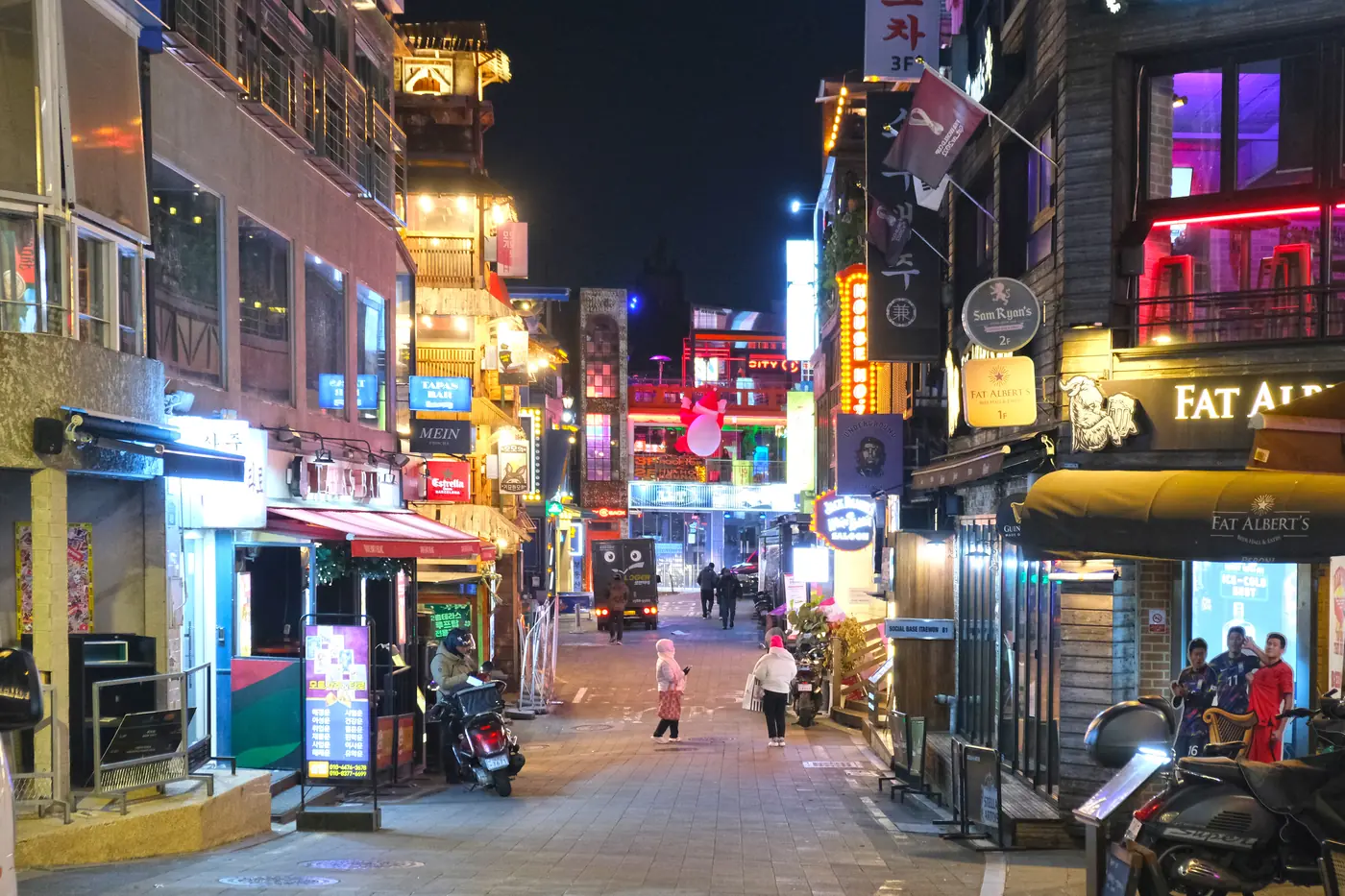
Itaewon (Line 6) has long been Seoul’s most international neighborhood — the area where you’ll hear five languages in one block and dinner options span continents. Next door, quieter Hannam has become a select-shop and gallery district that fashion-minded locals rank alongside Seongsu. It’s the right zone when you want a cocktail-and-dinner evening with a more global flavor, or when someone in your group needs a night off from Korean food (it happens; no judgment).
So which neighborhood should YOU pick?
- First trip, want the classics — Base near Insadong/Bukchon for palaces and hanok mornings, day-trip everywhere else.
- Nightlife and live energy — Hongdae, no contest. Sleep is for the flight home.
- Cafés, design, and current Korean fashion — Seongsu, with Hannam as the quieter second stop.
- Shopping efficiency (beauty) — Myeongdong, two focused hours.
- Shopping (luxury) or K-pop pilgrimage — Gangnam & Apgujeong.
- Photogenic snack break between sights — Ikseon-dong.
- International food night — Itaewon.
Whatever you choose, resist the urge to hit five in a day. Seoul neighborhoods reward the slow version: one in daylight, one after dark, and dinner somewhere in between.
Photo credits and licenses
External photographs were cropped, resized and converted to WebP; ShareAlike conditions continue to apply to the relevant derivatives.
- Hero: “Hongdae, Seoul — Part II — Hongdae2237” by lumoplank — source, CC0 1.0.
- Ikseon-dong: “Ikseon-dong 익선동 October 1 2020 8” by S h y numis — source, CC BY-SA 4.0.
- Myeongdong: “Myeongdong night market seoul 4” by Sgroey — source, CC BY-SA 4.0.
- Gangnam: “Gangnam-daero” by Christophe95 — source, CC BY-SA 4.0.
- Itaewon: “Itaewon 2” by kallerna — source, CC BY-SA 4.0.
- Other photographs: Korea Tripbook.


Everything above was checked on foot by Korea Tripbook editors, most recently August 2026.