Bukchon, Insadong & Ikseon-dong Guide: Hanok, Crafts & Cafes
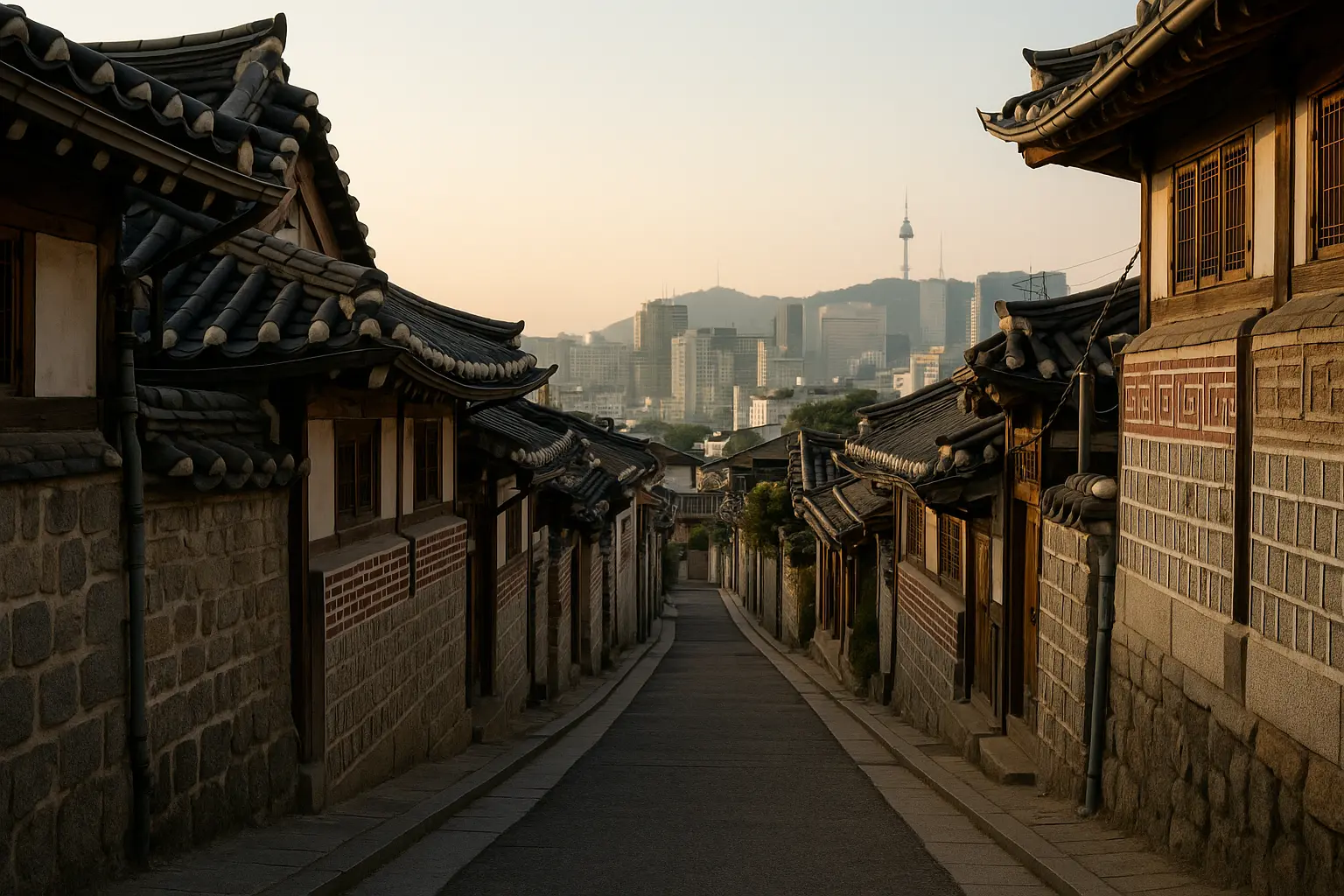
Bukchon, Samcheong-dong, Insadong and Ikseon-dong are often described as one “traditional Seoul” zone, but they are not interchangeable. Bukchon is a residential hanok district with visitor restrictions. Samcheong-dong mixes galleries and cafés. Insadong is strongest for crafts, tea and traditional gifts. Ikseon-dong is a compact commercial maze of renovated hanok restaurants and dessert shops.
The route works because these areas sit close together, not because they offer the same experience. The best version begins with a palace or Samcheong-dong, enters Bukchon only during permitted visitor hours, moves downhill to Insadong, and finishes at Ikseon-dong or Jongno after the residential streets should be left alone.
The Area in 30 Seconds
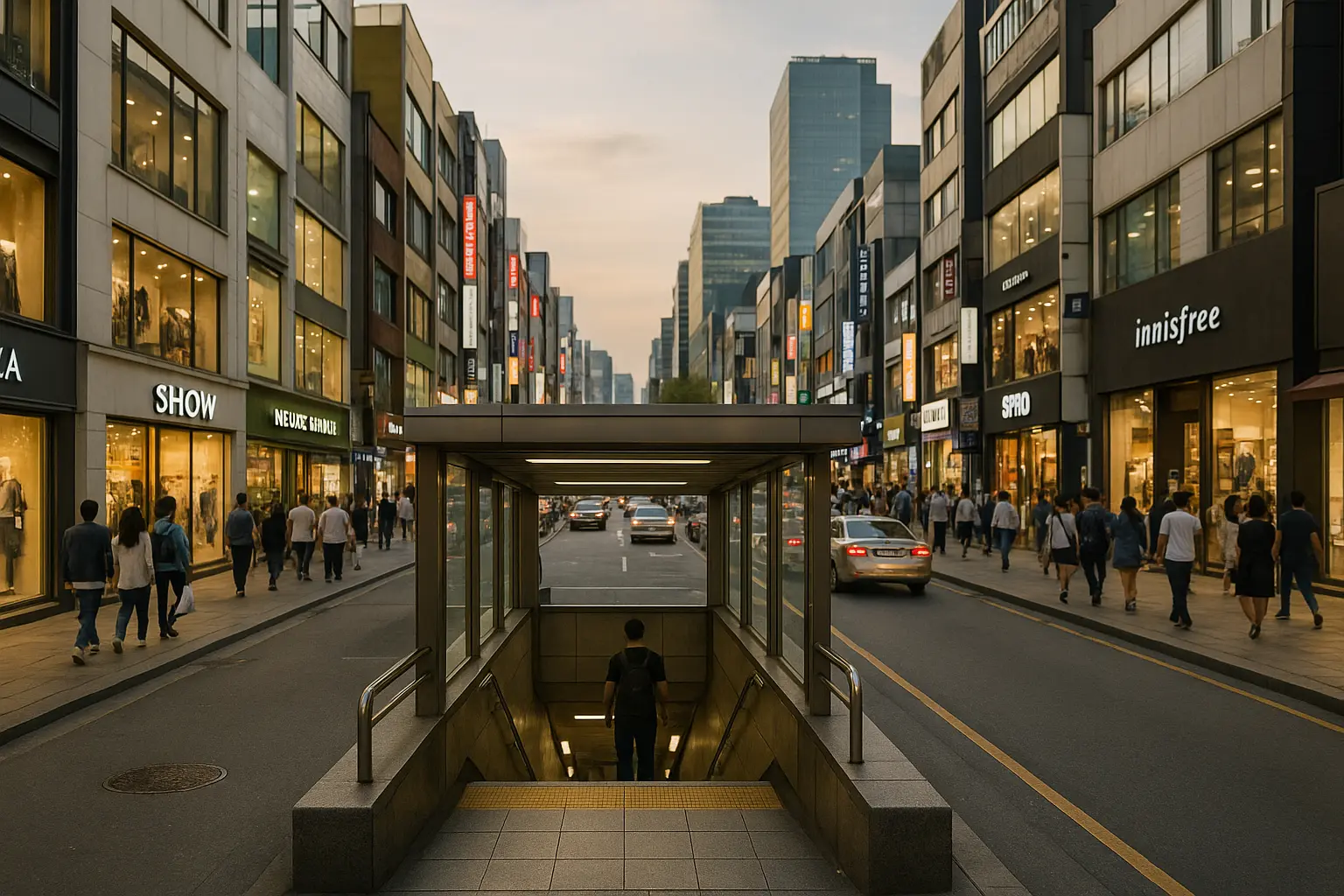
- Best for Hanok architecture, traditional crafts, tea, small galleries, cafés and a culture-focused first trip.
- Best starting point Anguk Station for Bukchon and Insadong; Gyeongbokgung or Changdeokgung when combining the district with a palace.
- Best time Daytime. Enter the designated Bukchon Red Zone only during permitted tourist hours and leave residential lanes before the evening restriction.
- How long Four hours for Bukchon and Insadong; six to eight hours when adding a palace, Samcheong-dong and Ikseon-dong.
- Who can skip it Travelers prioritizing nightlife, large shopping malls or completely step-free routes.
Neighborhood rule: Bukchon is where people live. Insadong and Ikseon-dong are commercial areas. Do not behave in all three as if they were one open-air photo set.
Bukchon’s Current Visitor Rules Come First
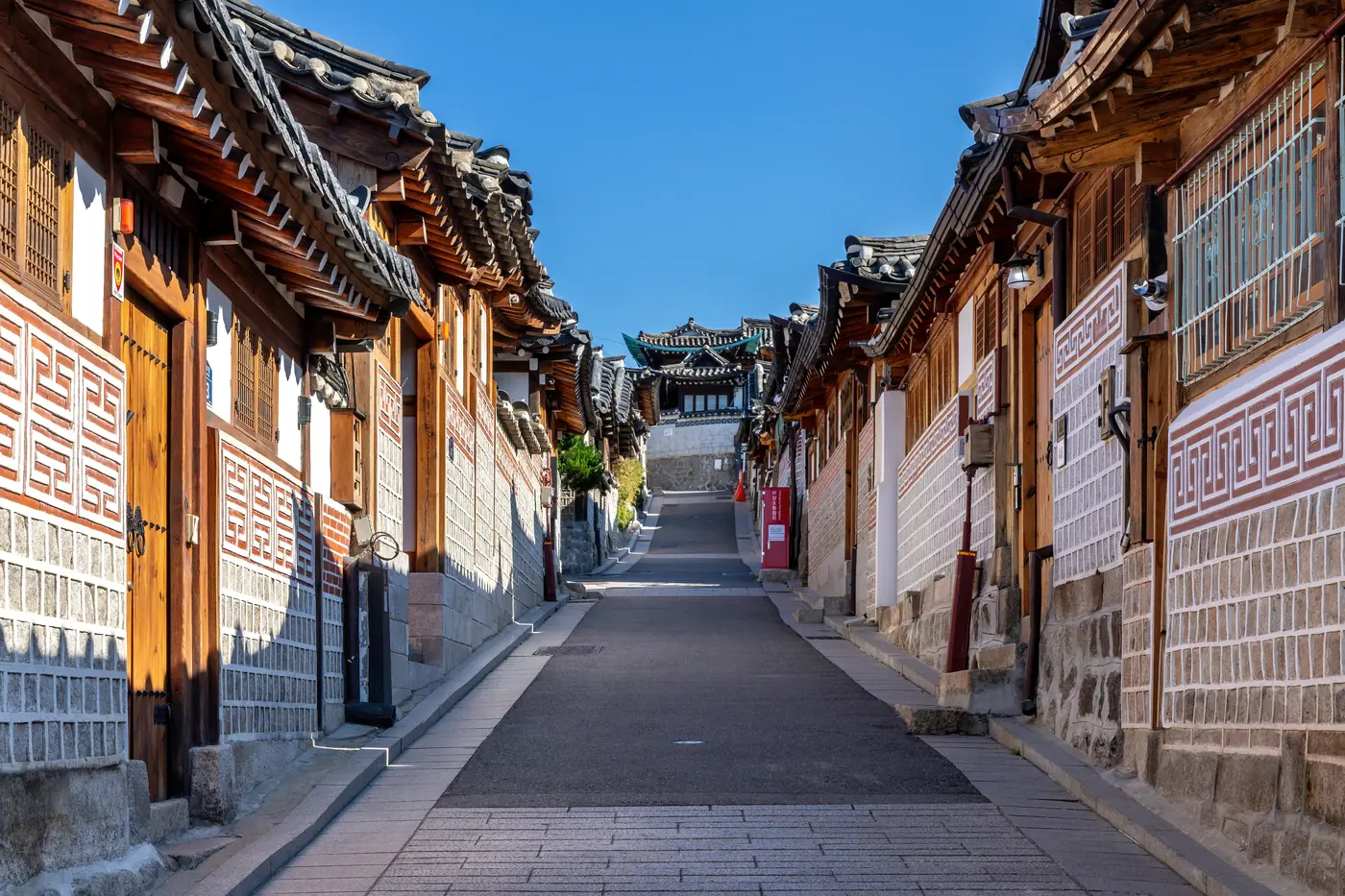
The designated Bukchon-ro 11-gil Red Zone restricts tourist visits from 5pm to 10am the following day. Enforcement began on March 1, 2025, and the announced fine for violations is ₩100,000. This applies to the designated Red Zone rather than every street labeled “Bukchon,” so follow current signs and official maps instead of relying on an old photo pin.
The practical visiting window is daytime. Keep voices low, remain on public streets, never photograph through an open residential gate and do not block doorways or vehicle access. A quiet street is not an invitation to arrive before permitted hours; it is a sign that residents deserve quiet.
- Official notice: Seoul Metropolitan Government’s Bukchon visitor restrictions
- 📍 Google Maps: Bukchon Hanok Village
- 🚇 Get there: Line 3 to Anguk Station.
- 🔎 Naver Map search:
북촌한옥마을· check the posted Red Zone boundary
Add a Palace or Samcheong-dong Before Bukchon
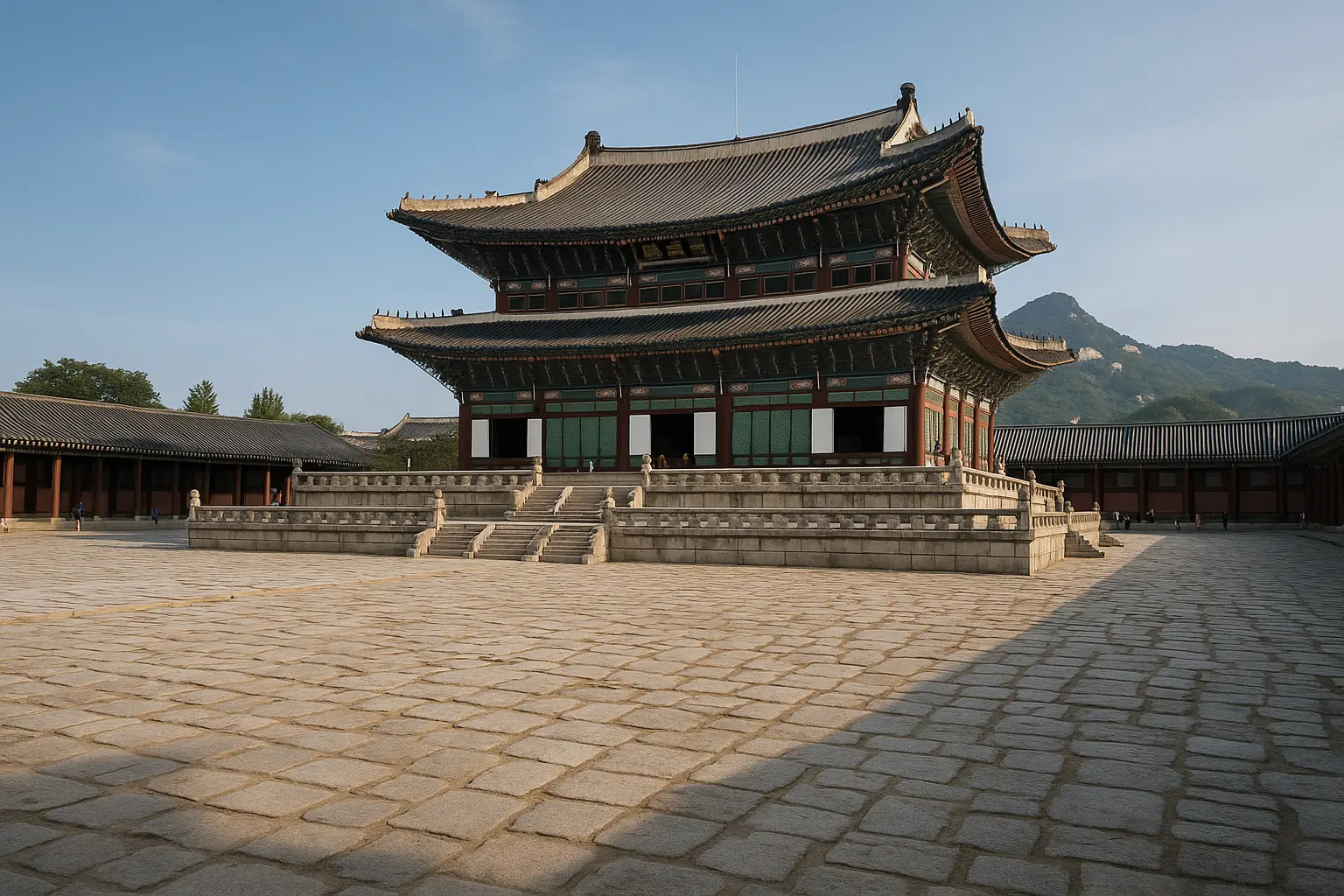
A palace gives the hanok streets historical context and fixes the morning schedule. Gyeongbokgung works well before Samcheong-dong, while Changdeokgung sits closer to the eastern side of the neighborhood. Check the current closure day and admission information before building the route.
Samcheong-dong is the gentler transition between palace walls and Bukchon’s residential slope. Small galleries, cafés and shops spread along the main street and side lanes. It is useful for lunch or a coffee, but does not require collecting every saved gallery.
A realistic sequence is palace at opening → Samcheong-dong → Bukchon during permitted hours → Insadong. Starting in Bukchon at dawn because an old guide promised empty alleys is no longer an acceptable plan.
- 📍 Google Maps: Gyeongbokgung Palace
- 📍 Google Maps: Samcheong-dong
- 🔎 Naver Map search:
경복궁·삼청동
Insadong for Crafts, Tea and Traditional Gifts
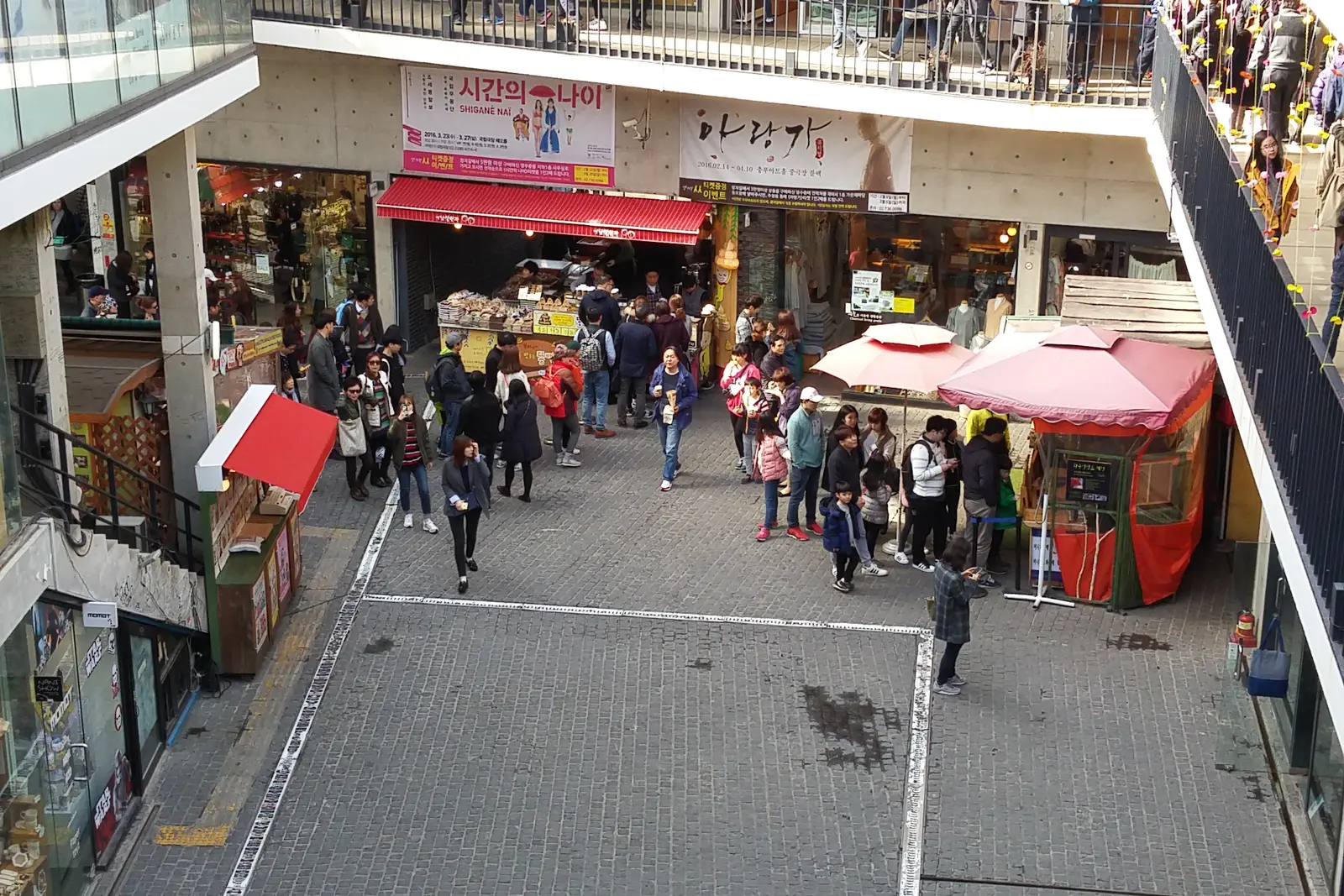
Insadong is commercial, but its best shops still reward attention. Look for ceramics, hanji paper, stamps, calligraphy materials, tea, small artworks and contemporary crafts rather than the identical factory souvenirs nearest the busiest corners. Ssamziegil is an easy introduction, while smaller galleries and shops continue through the side streets.
For fragile items, ask about packing before paying. When buying ceramics or art, confirm what is included and photograph the receipt. Cards are widely accepted, but small purchases may be easier with cash. A traditional teahouse is most enjoyable as a real rest, not a five-minute set change between photos.
- 📍 Google Maps: Insadong and Ssamziegil
- 🚇 Get there: Line 3 to Anguk Station or Line 1 to Jonggak Station, depending on the route.
- 🔎 Naver Map search:
인사동 쌈지길·인사동 전통찻집
Our One Day in Seoul itinerary shows how to connect this area with Myeongdong without crossing the city repeatedly.
Ikseon-dong: A Short Commercial Hanok Stop
Ikseon-dong uses hanok architecture differently from Bukchon. Its narrow lanes are filled with restaurants, cafés, bakeries and small shops, making it lively and commercial rather than residential. That also means queues, tight passages and a lot of people trying to frame the same doorway.
Treat it as a one- or two-hour food and café stop. Choose one place instead of joining three queues, and remember that a beautiful dessert does not improve after forty minutes outside. The area becomes atmospheric after dark, when Bukchon’s residential lanes should no longer be part of the plan.
- 📍 Google Maps: Ikseon-dong Hanok Village
- 🚇 Get there: Lines 1, 3 or 5 to Jongno 3-ga Station.
- 🔎 Naver Map search:
익선동 한옥거리
Eating, Shopping and Paying Without Turning It into a Checklist
Lunch fits best in Samcheong-dong or Insadong, while Ikseon-dong works well for a later café, dinner or drink. Booking can help at a destination restaurant, but the neighborhood has enough alternatives that one full queue should not control the day.
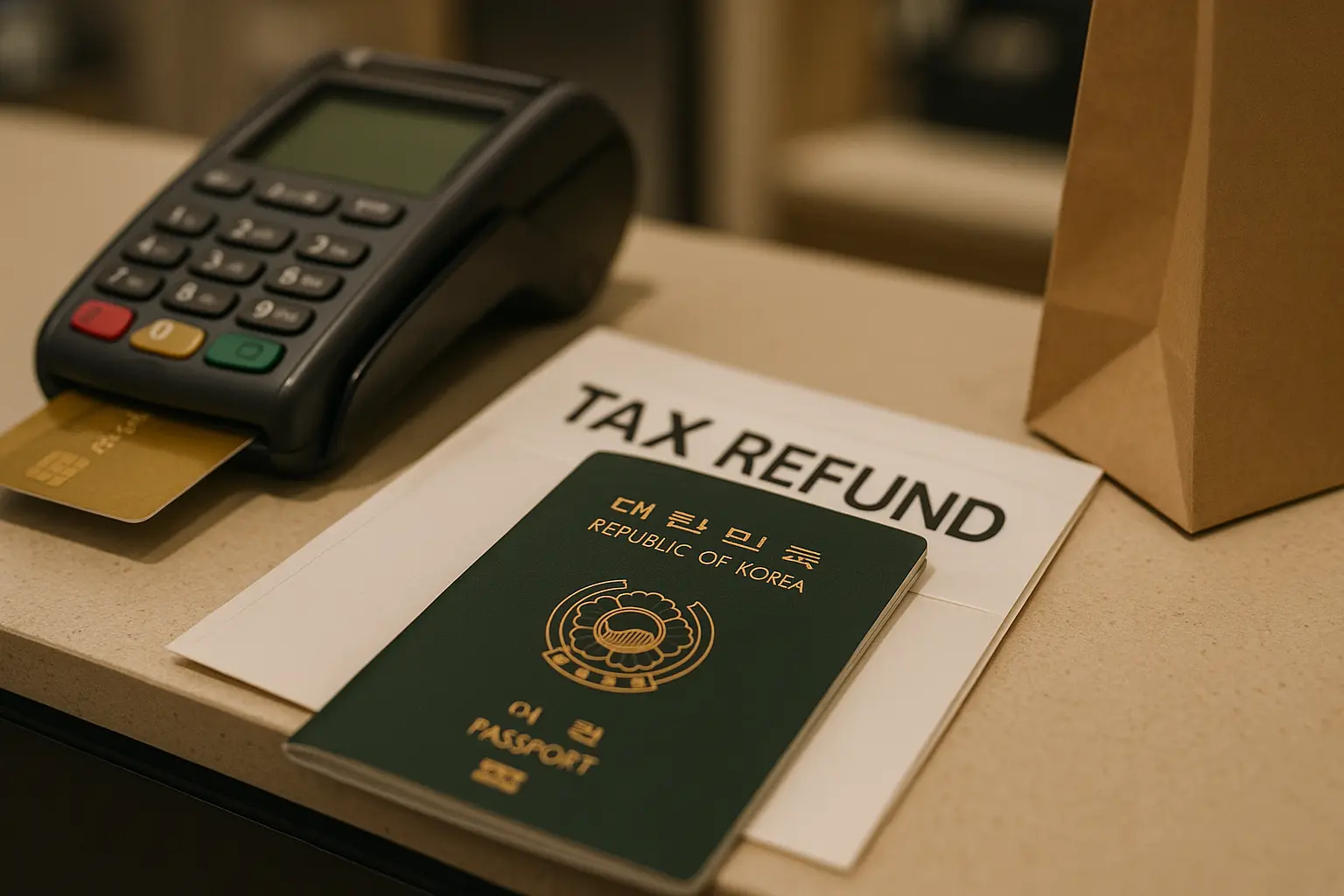
Ask before photographing inside craft stores, galleries and teahouses. Some small shops do not allow handling delicate work without assistance. Tourist tax refund is less universal here than in Myeongdong’s large retailers, so ask before payment rather than assuming.
Buy one object with a clear maker or story instead of a bag of generic “traditional” goods. The strongest Insadong souvenir is something you understand well enough to explain when you get home.
Extend the Evening Toward Jongno or Cheonggyecheon
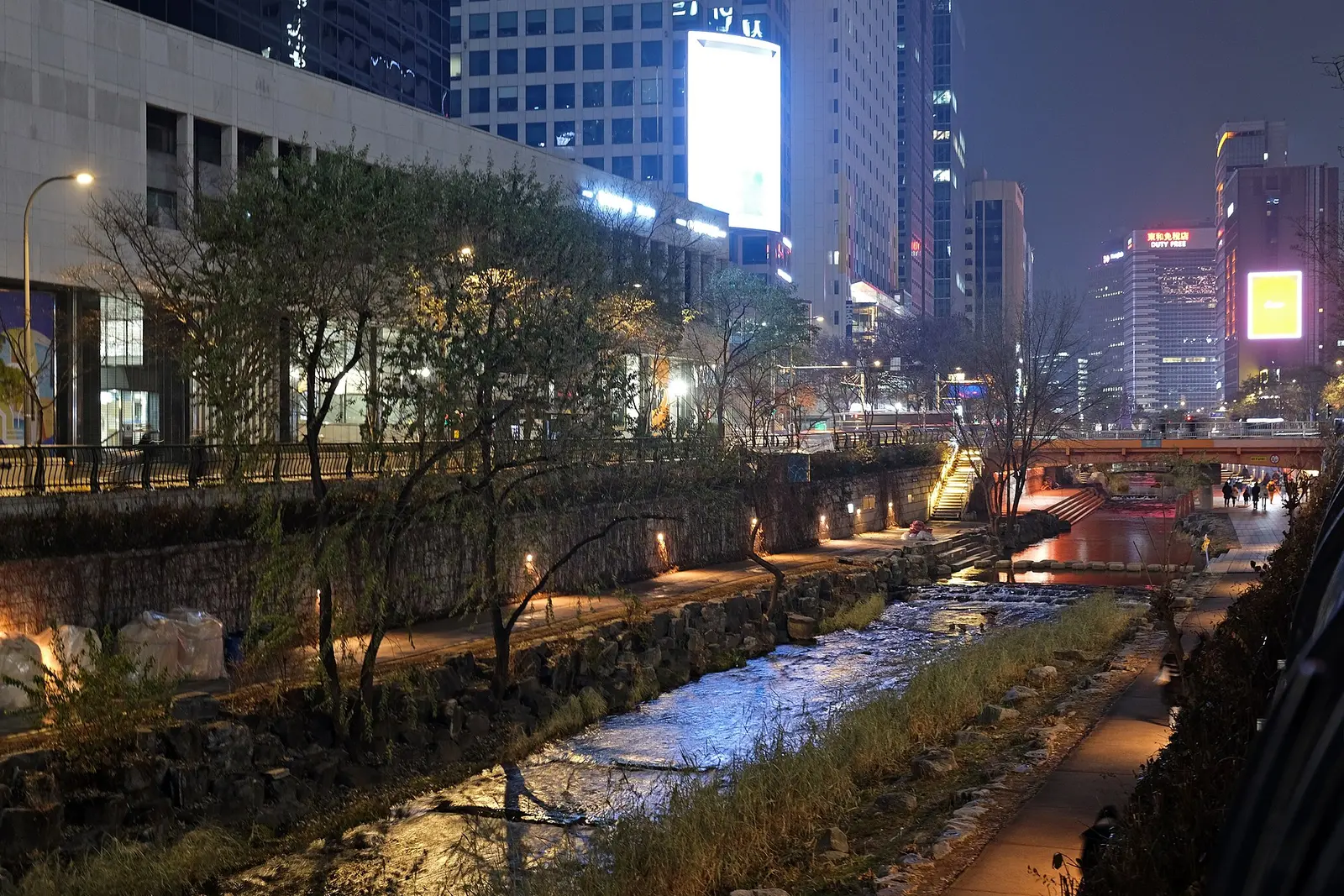
After Ikseon-dong, continue toward Jongno for dinner or walk to Cheonggyecheon for a flatter evening finish. This direction keeps the route in central Seoul and avoids returning uphill through Bukchon. Jongno 3-ga also provides several subway lines for the trip back to the hotel.
The stream is most useful as a transition rather than a major attraction: a quieter walk after crowded lanes, with easy exits toward Euljiro, Jonggak or Myeongdong. Check weather and seasonal events because certain sections can become busier during festivals.
- 📍 Google Maps: Cheonggyecheon Stream
- 🔎 Naver Map search:
청계천
Hills, Rain, Where to Stay and What We Would Skip
Bukchon has slopes, steps and uneven lanes. Travelers with strollers, heavy luggage or limited mobility should shorten the hill section, use a taxi to a suitable drop-off point and focus on accessible museums, Insadong and the flatter parts of central Seoul. Never bring a rolling suitcase into the residential lanes.
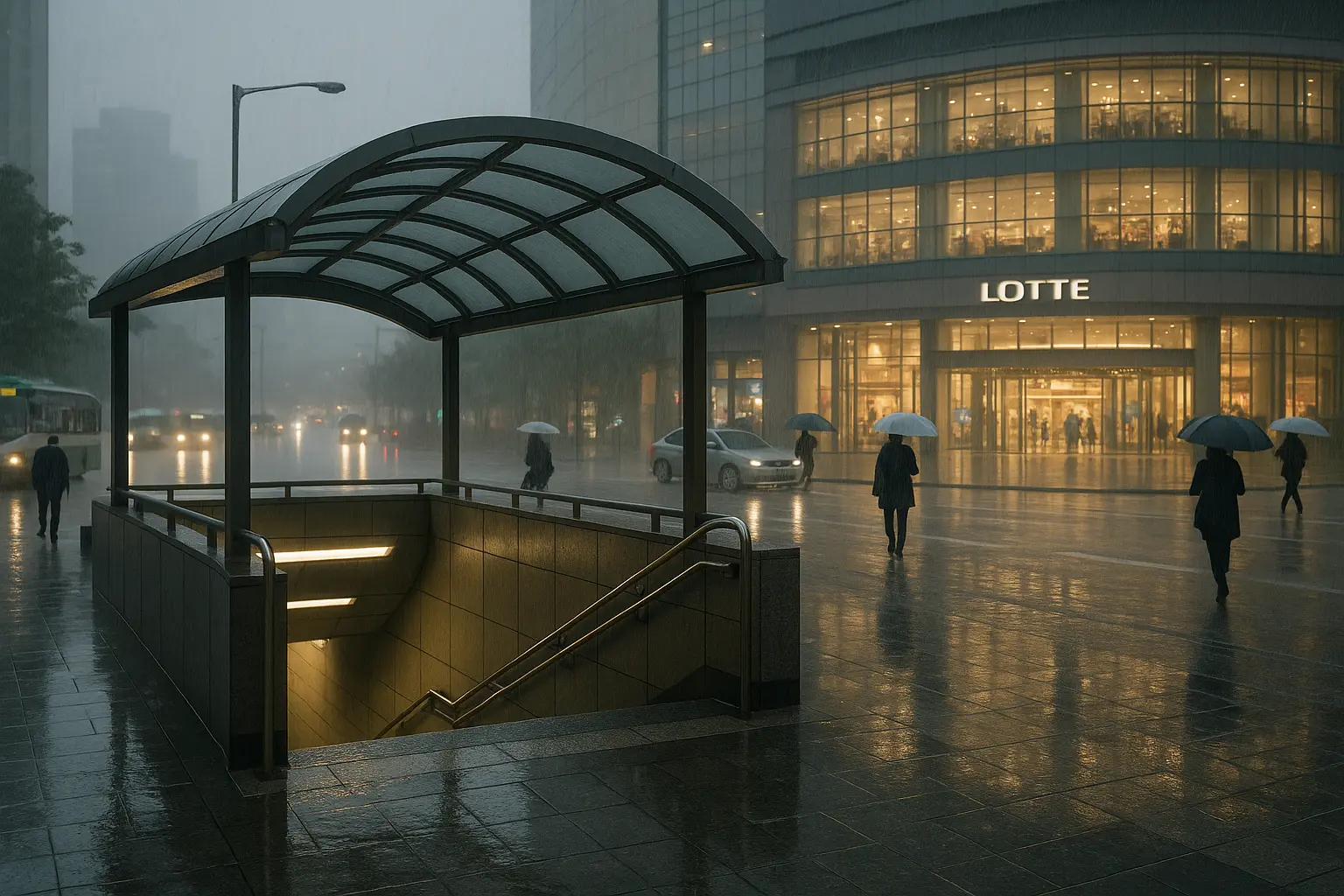
In heavy rain, choose a palace only if conditions are comfortable, then prioritize museums, galleries, Ssamziegil, teahouses and one reserved meal. Wet stone and steep lanes change the difficulty of the route.
Staying near Anguk, Jongno or Gwanghwamun is excellent for culture-first travelers and early palace access. The trade-off is quieter late-night energy than Hongdae or Itaewon.
🌸 Spring and 🍁 autumn are most comfortable for walking. ☀️ Summer requires shade and indoor breaks. ❄️ Winter offers clear rooflines but can make slopes icy.
What we would skip: visiting the Red Zone during restricted hours, photographing homes through gates, wearing rented hanbok as permission to block a lane, buying mass-produced souvenirs without comparison and spending an entire afternoon in dessert queues.
Photo credits and licenses
The external photograph below was cropped, resized and converted to WebP; ShareAlike conditions continue to apply to the derivative.
- Bukchon-ro 11-gil: “Bukchon-ro 11-gil street with hanok houses and blue sky in Bukchon Hanok Village Seoul” by Basile Morin — source, CC BY-SA 4.0.
- Insadong: “Ssamzigil in Insadong” by Christian Bolz — source, CC BY-SA 4.0.
- Other photographs: Korea Tripbook.


Everything above was checked against current official information by Korea Tripbook editors, most recently August 2026.