20 Best Korean Convenience Store Foods and How to Eat Them
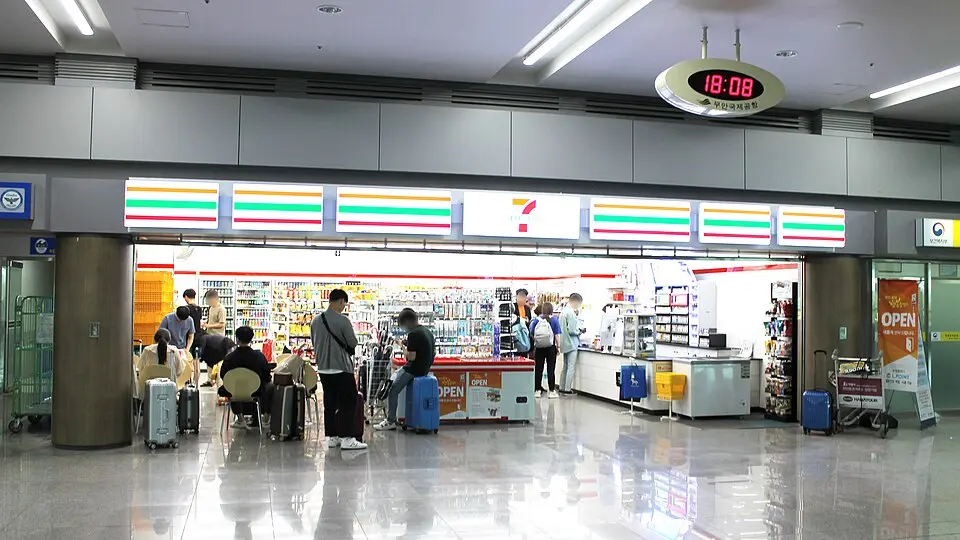
A Korean convenience store is not merely where you buy water. It is breakfast counter, late-night kitchen, coffee stop, picnic supplier and occasionally the only place still feeding you after a delayed flight. CU, GS25, 7-Eleven and emart24 all carry the same basic food families, while exact products and collaborations change constantly.
We ranked types rather than short-lived product names so this guide remains useful. Look for the Hangul terms, match the product photo, and use the microwave or hot-water station after paying. The 20 items below can be found across Seoul, Busan and Jeju, although larger branches have better hot-food and seating areas.
- Cup ramyeon
- Packet ramyeon cooked in a foil bowl
- Samgak gimbap
- Packaged gimbap roll
- Dosirak lunch box
- Korean egg sandwich
- Fish-cake hot bar
- Heated sausage
- Cup tteokbokki
- Convenience-store fried chicken
- Mandu
- Smoked eggs
- Roasted sweet potato
- Banana milk
- Sikhye
- Probiotic yogurt drink
- Ice-cup coffee
- Korean ice cream
- Choco pie
- Honey-butter chips
Store tip: Pay before using the microwave, hot-water dispenser or ramyeon cooker. Keep the barcode label or receipt until the food is heated; staff may need it if the cooking instructions are unclear.
How to use the convenience-store kitchen
Most larger branches place microwaves, hot water, chopsticks and waste-sorting bins near a counter. Buy the food first, remove sauce packets or non-microwave lids, and follow the wattage-specific time printed beside the microwave icon. Seating is branch-specific; a store without tables is not inviting you to spread dinner across the cashier counter.
🍜 Hot noodles: 1–2
1. Cup ramyeon (컵라면)
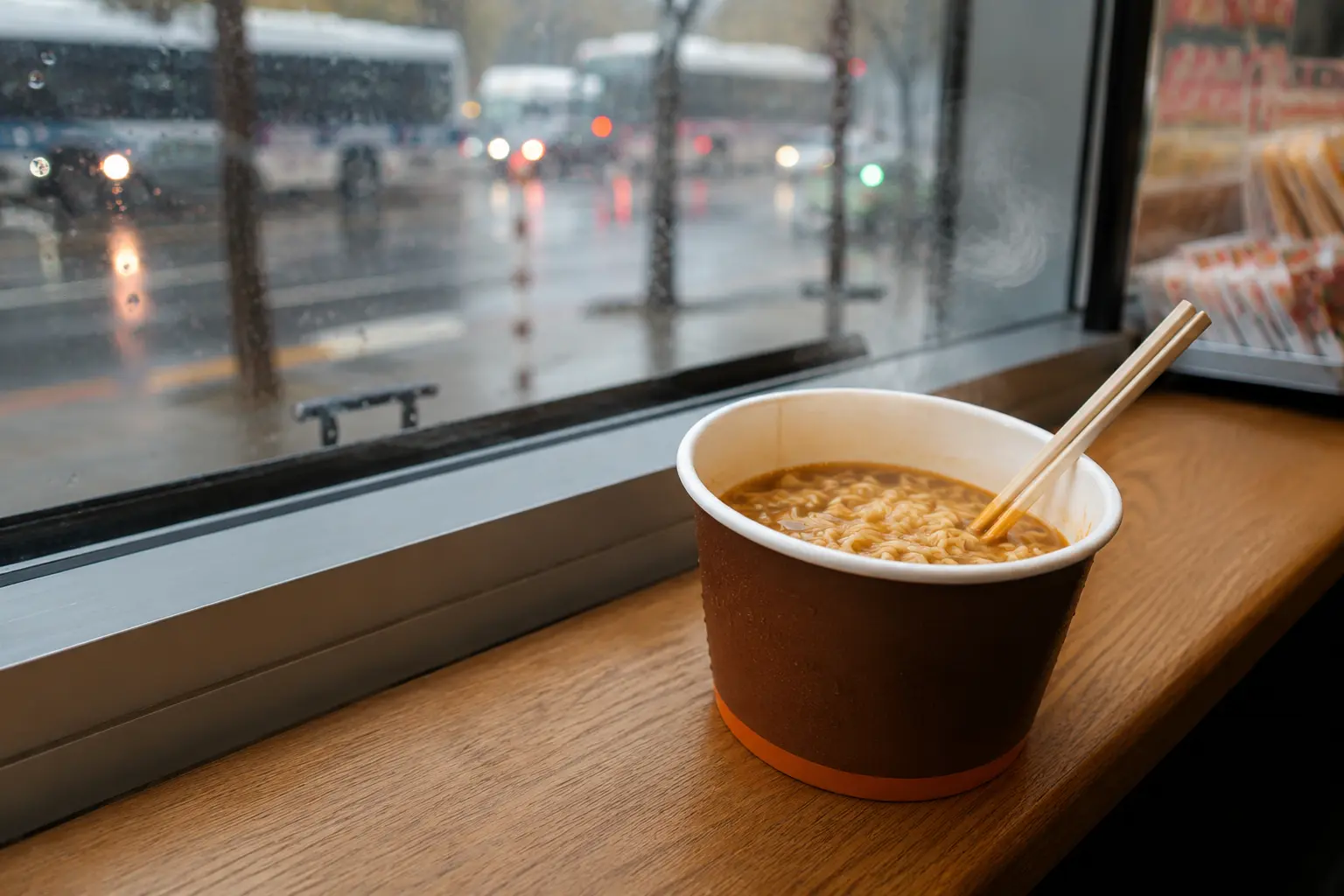
Cup ramyeon is the safest first convenience-store meal because the cooking instructions are visual even when the flavor name is not. Open the lid halfway, remove any sachets, add soup powder and fill to the marked line with hot water. Most cups need roughly three or four minutes, but follow the printed timer rather than guessing. Red packaging often signals spice, not always accurately.
Add a smoked egg or triangle gimbap instead of pouring in every available cheese product. One thoughtful addition improves the meal; five social-media additions turn it into salty cement.
2. Packet ramyeon in a foil bowl (봉지라면)
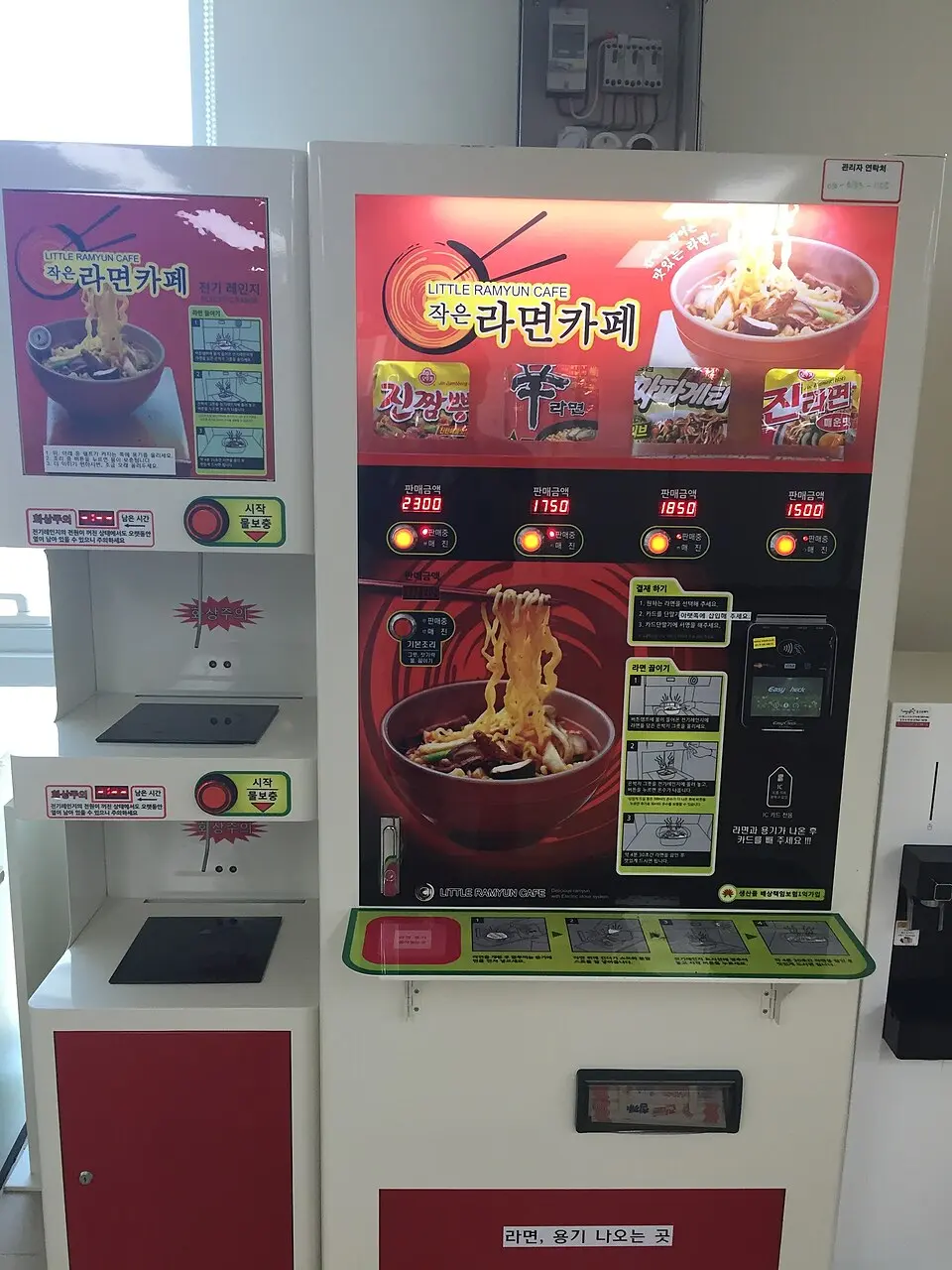
Some larger stores sell packet noodles with a disposable foil bowl designed for an automatic ramyeon cooker. Place the noodles, powder and water in the bowl, then use the machine’s preset button. The result feels closer to stovetop ramyeon than a cup version and is especially popular at riverside branches.
Not every store has the machine, and controls vary. Watch the diagram or ask staff before pressing buttons. Never put the foil bowl in a microwave.
Watch out: Ramyeon broth may contain beef, pork, seafood or anchovy seasoning even when the visible toppings look vegetarian. Check the allergen panel or use a translation app on the ingredient list.
🍙 Rice and bread meals: 3–6
3. Samgak gimbap (삼각김밥)
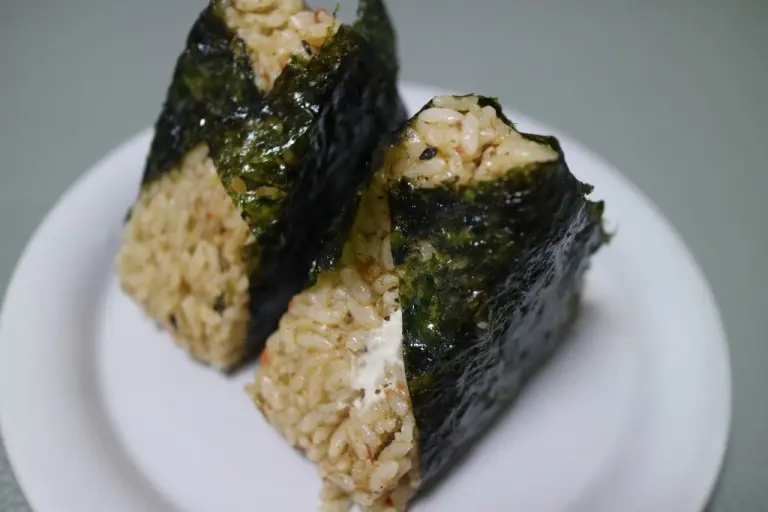
Triangle gimbap is rice around a compact filling, wrapped so the seaweed stays crisp until opening. Tuna mayonnaise, spicy tuna, kimchi and meat fillings are common. Follow the numbered tabs—usually pull the center strip first, then the two side corners. Pulling everything at once produces a small rice emergency.
It is a snack, not a large meal. Pair one with soup or an egg, and refrigerate it until you are ready to eat.
4. Packaged gimbap roll (줄김밥)
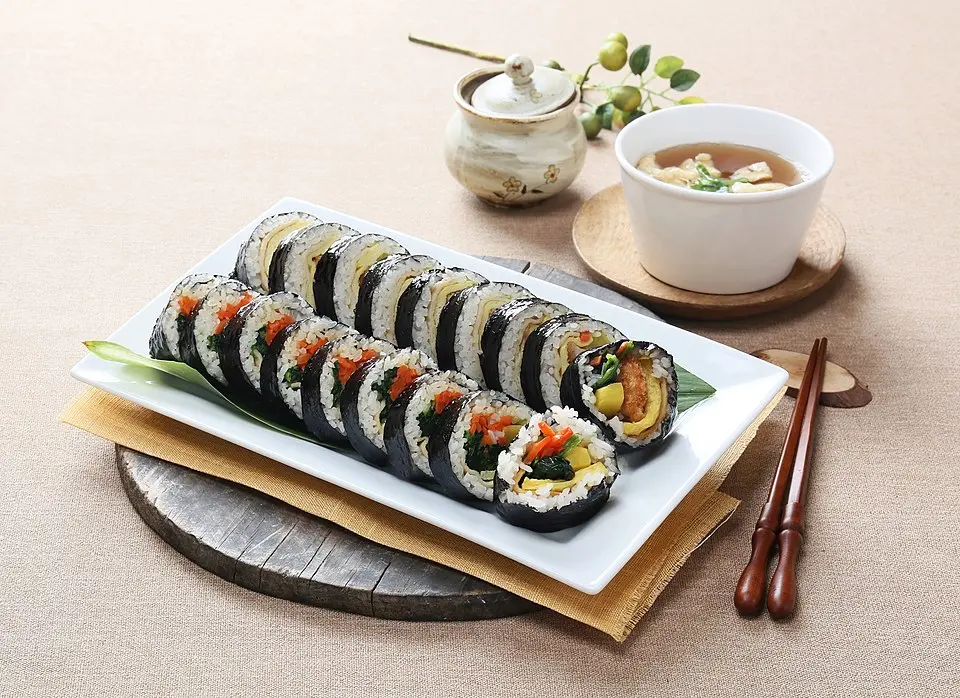
A full roll is more filling than samgak gimbap and usually contains egg, pickled radish, vegetables and meat or tuna. It works well before a train, hike or early tour. Some packages are intended to be eaten cold; others recommend brief microwaving, so check for the microwave icon.
Vegetable-looking gimbap can still hide ham, crab stick or fish cake. Travelers avoiding meat should read the ingredient label rather than trusting the cross-section.
5. Dosirak lunch box (도시락)
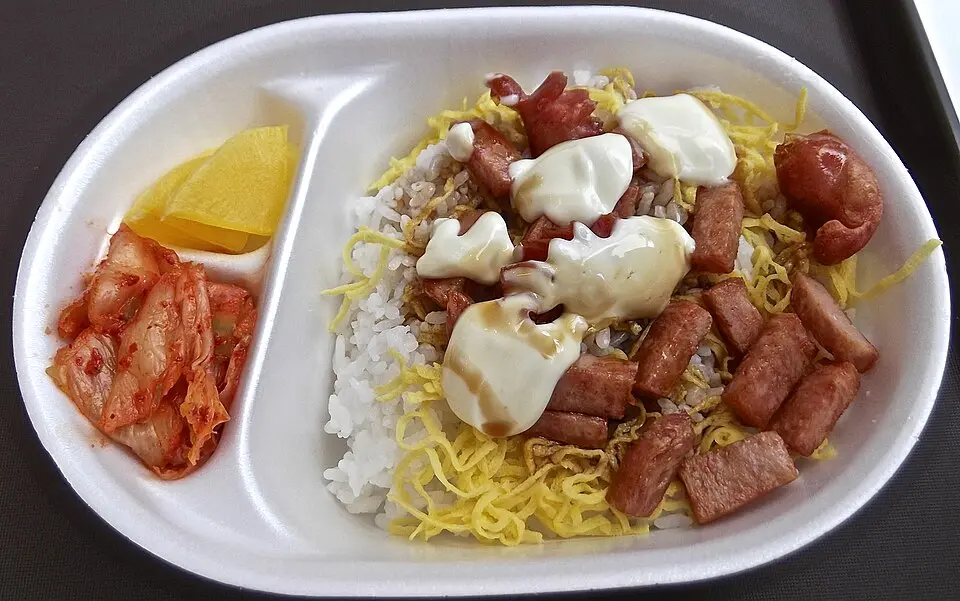
Dosirak is the closest convenience-store option to a complete Korean meal: rice plus several portions of meat, egg, kimchi or vegetables. Remove sauce packets and any clearly marked cold compartment before microwaving. Heating time is normally printed beside a microwave symbol for different wattages.
Choose a box whose food you can identify. The largest “everything” box is rarely the best; rice dries out while five unrelated fried foods compete for attention.
6. Korean egg sandwich (에그 샌드위치)
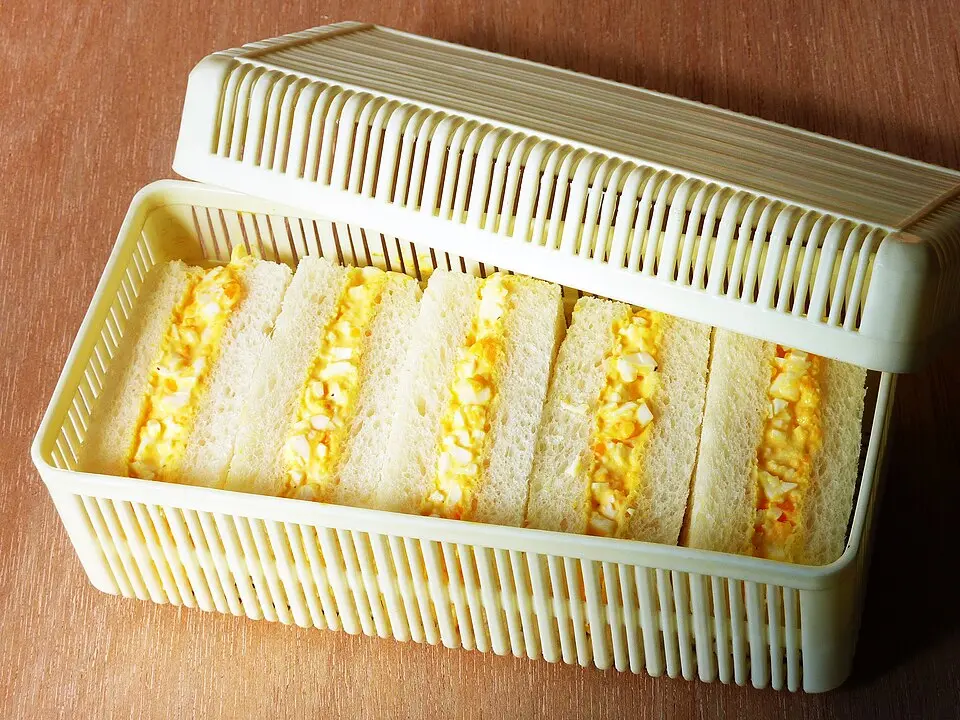
Korean convenience-store sandwiches favor very soft bread and generous creamy fillings. Egg salad is the dependable mild choice; strawberry jam, ham, cheese and potato salad may appear in unexpected combinations. Eat it cold and check the use-by time printed on the front.
This is useful for children and spice-sensitive travelers, but mayonnaise, dairy and egg are common. It is breakfast insurance, not a reason to skip every neighborhood bakery.
🍢 Heated snacks: 7–13
7. Fish-cake hot bar (핫바)
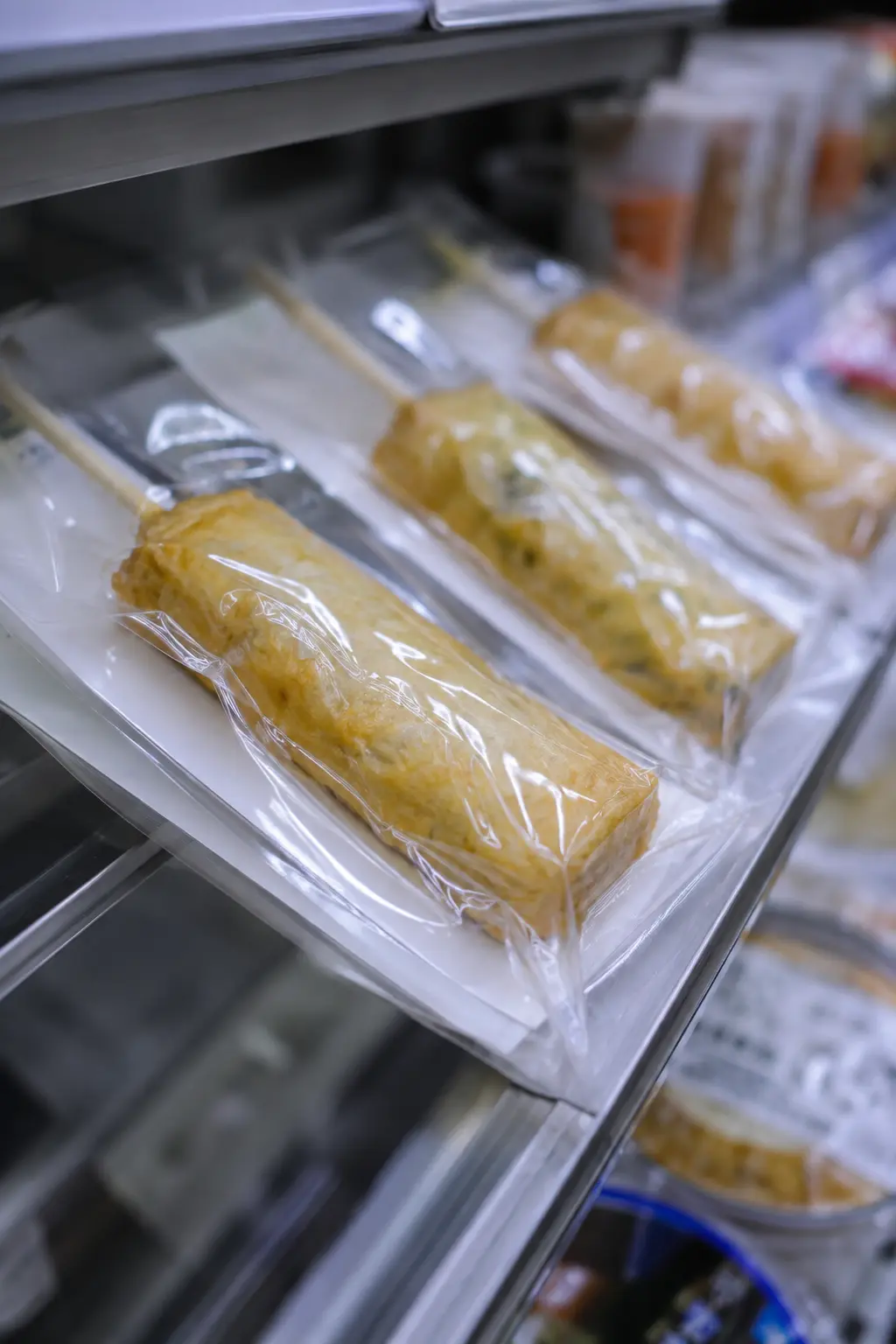
A hot bar is processed fish cake formed around a stick, sometimes mixed with vegetables, cheese or chili. It is usually sold refrigerated in a wrapper and heated briefly in the microwave. The texture is springy and the flavor is mild, salty and easy to eat while moving.
It contains fish by definition and frequently includes wheat, soy or shellfish-derived ingredients. Treat it as a snack, not a vegetarian protein bar.
8. Heated sausage (소시지)

Individually wrapped sausages are one of Korea’s most practical late-night protein snacks. Some include cheese; others are spicy or made with chicken. Tear the package slightly where instructed before microwaving so steam can escape.
The labels are not always obvious about meat type. If pork matters for religious or dietary reasons, translate the ingredient list and look for 돼지고기 rather than assuming poultry from the picture.
9. Cup tteokbokki (컵떡볶이)
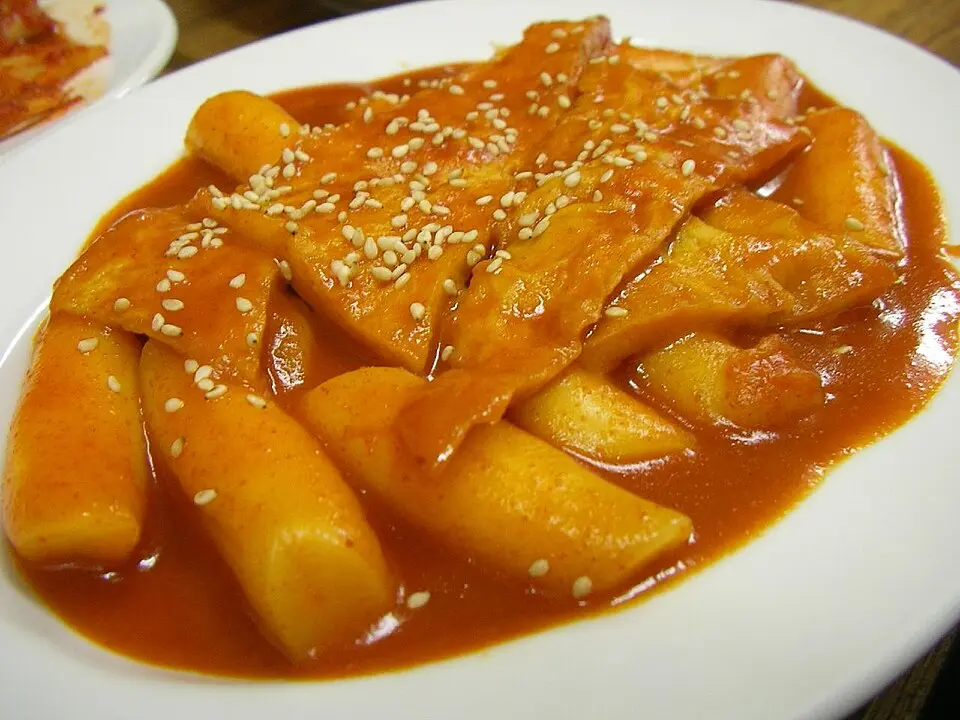
Cup tteokbokki packages rice cakes and sauce into a microwaveable snack. Add the instructed amount of water, stir well and vent the lid before heating. The sauce thickens as it rests, so wait briefly before deciding it is watery.
Convenience-store versions are controlled and easy, but they can still be hot. They are useful rehearsal before a market stall, not a replacement for freshly cooked tteokbokki.
10. Convenience-store fried chicken (편의점 치킨)
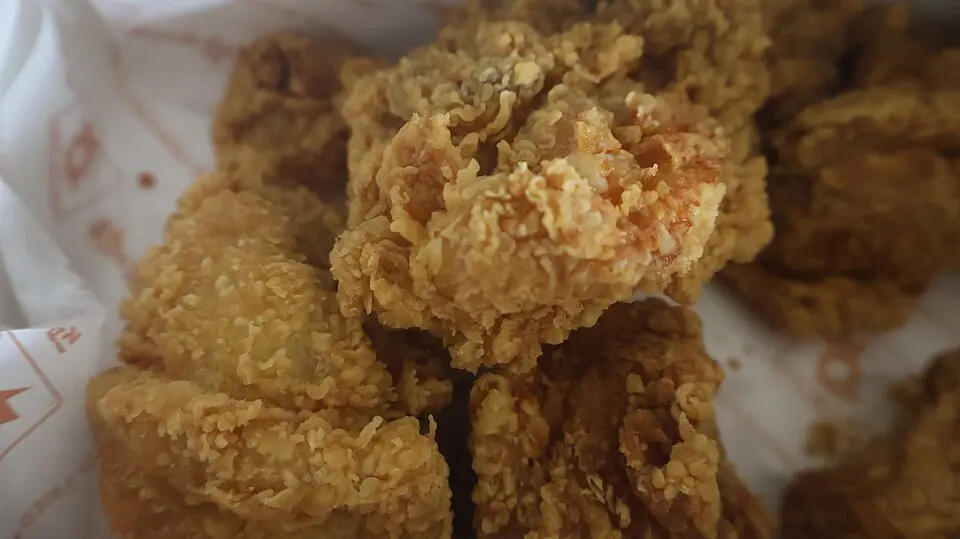
Larger branches sell individual chicken pieces from a hot case or chilled cabinet. This solves the main problem with Korean chicken chains: full orders are designed for sharing. Choose a recently cooked piece with crisp-looking coating and eat it quickly.
Quality drops sharply after reheating. If you want an entire chicken dinner, use a specialist chain; this version wins on portion and timing, not peak crispness.
11. Mandu (만두)
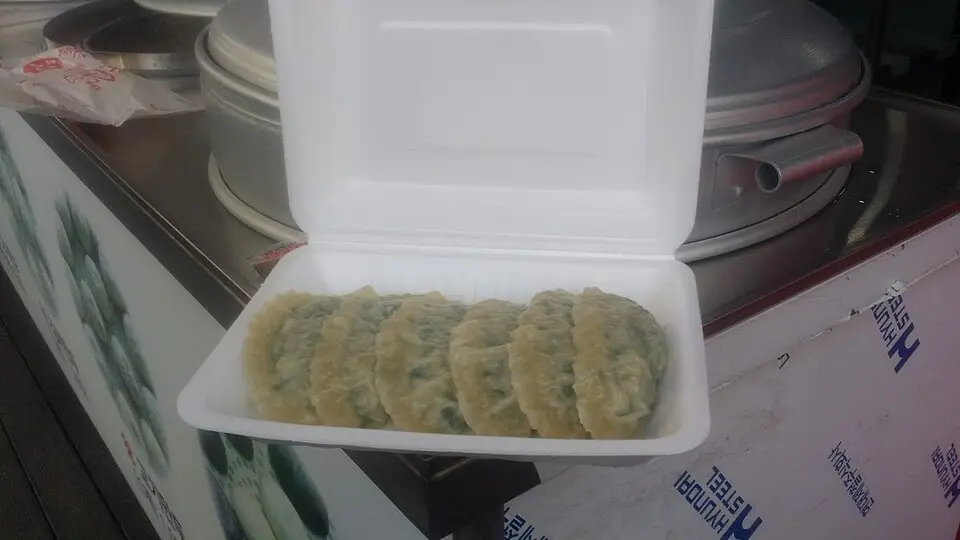
Microwave mandu offer pork, kimchi, vegetable and sometimes shrimp fillings in a single-serving tray. Vent the film as instructed and let the dumplings rest because trapped steam is fierce. A little soy sauce is enough; many fillings are already strongly seasoned.
“Vegetable” mandu may contain egg or animal seasoning. Kimchi mandu is usually spicier than its pale wrapper suggests.
12. Smoked eggs (훈제란)
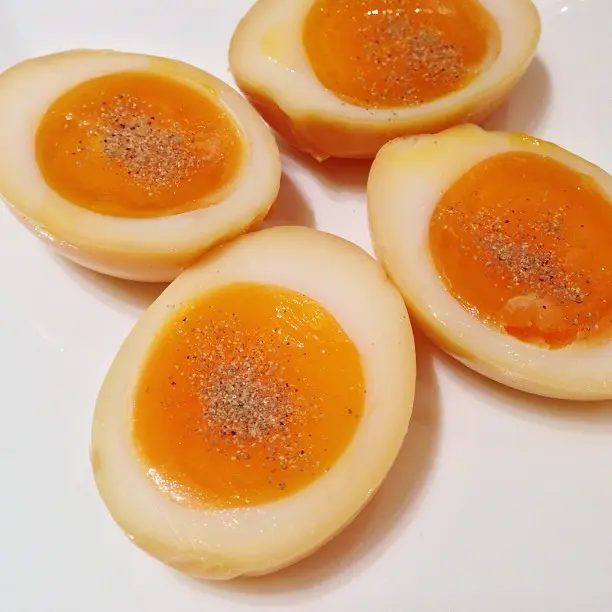
Brown-shelled smoked or baked eggs are firm, savory and portable. They require no heating and pair well with ramyeon or a light breakfast. Peel them like ordinary boiled eggs; the beige or brown egg white is a result of cooking, not spoilage.
Check whether salt is included in the packet before buying another condiment. They are reliable travel food, although opening one on a crowded bus will not make you popular.
13. Roasted sweet potato (군고구마)
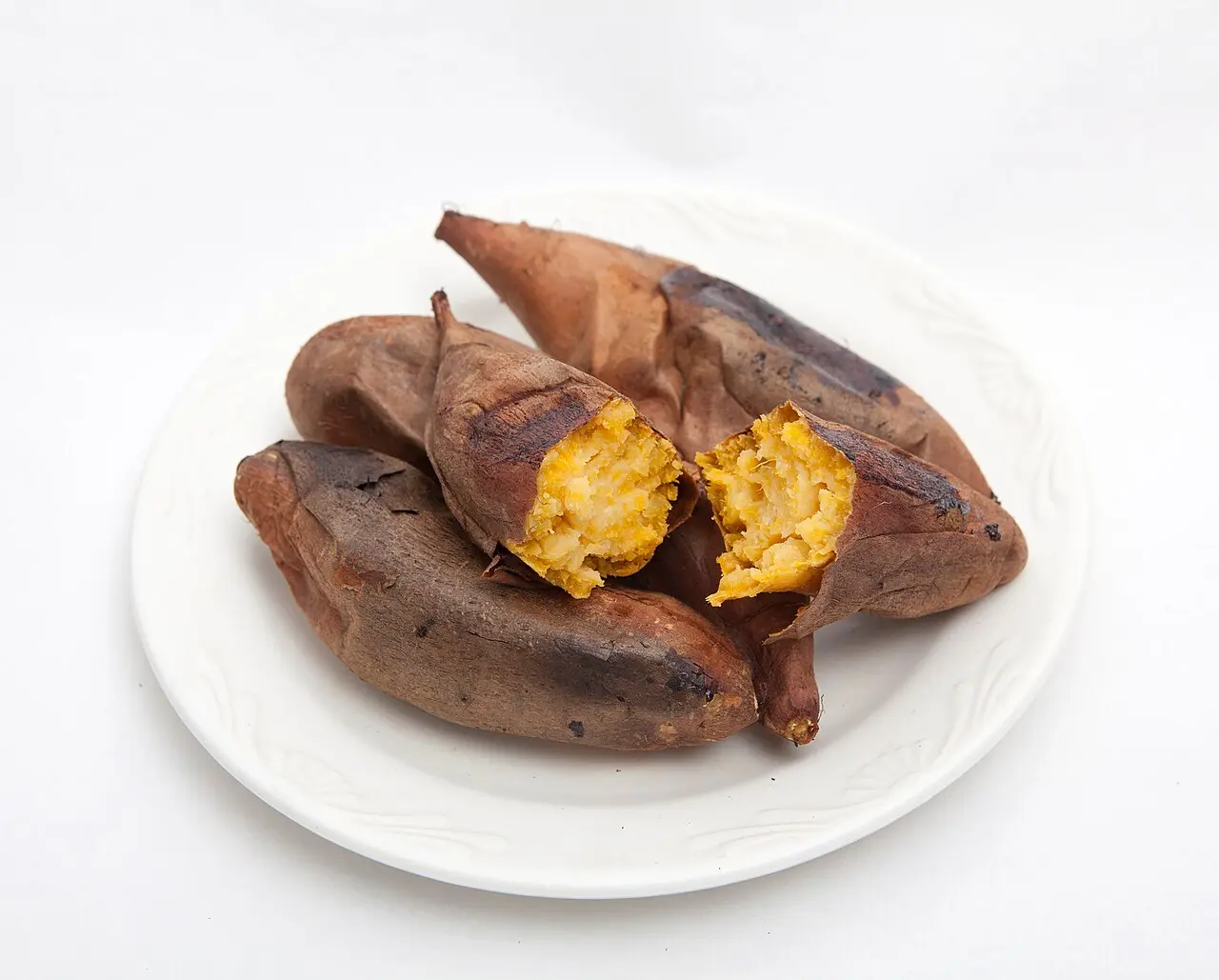
In cooler months, some stores keep whole roasted sweet potatoes in a heated cabinet. Korean varieties are dense and naturally sweet, with a chestnut-like or honeyed center depending on type. Choose one that feels heavy and has not dried at the ends.
This is one of the simplest plant-based options in the store. Availability is seasonal and branch-specific, so take it as a pleasant discovery rather than a guaranteed meal.
Heating tip: Microwave times in Korea are short because store machines are powerful. Start with the printed time, keep lids vented, and add extra seconds only if needed. Overheated rice cakes become tough and sauces erupt.
🥛 Korean drinks: 14–17
14. Banana milk (바나나맛 우유)
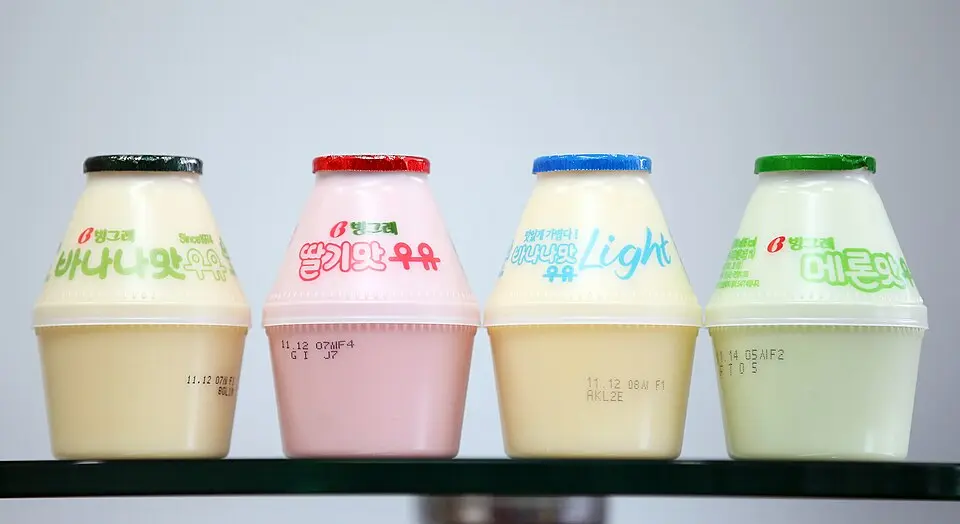
Banana-flavored milk is sweet, creamy and deeply tied to Korean convenience-store nostalgia. Drink it cold with spicy ramyeon or tteokbokki; dairy fat softens the heat better than water. Strawberry, melon and coffee milk occupy the same refrigerator.
It contains dairy and a fair amount of sugar. One small bottle is the experience—there is no prize for turning it into a liter-sized breakfast.
15. Sikhye (식혜)
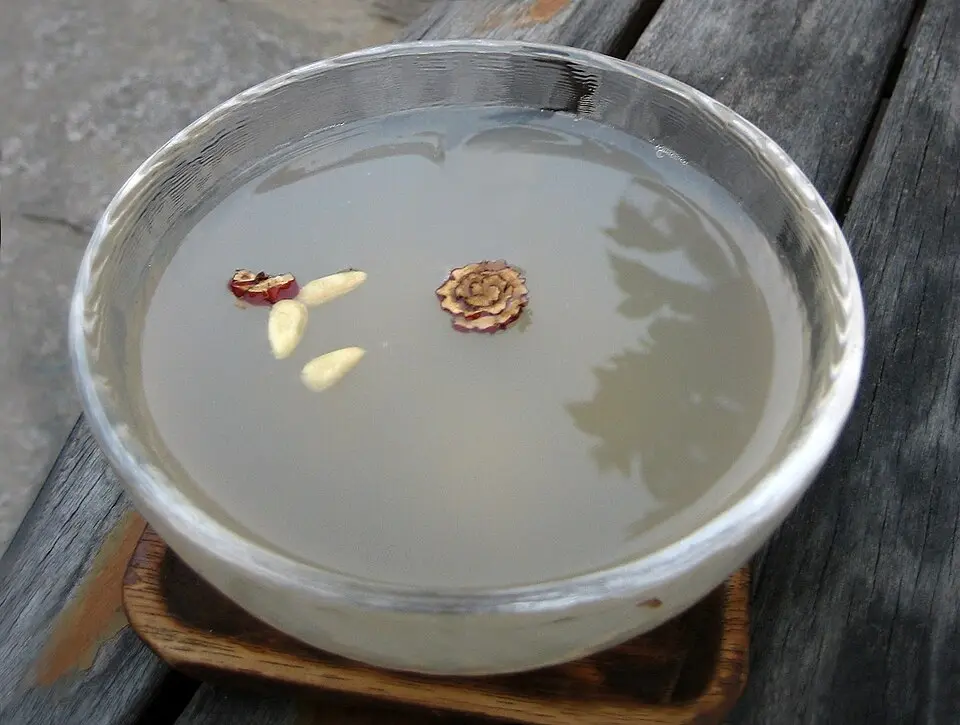
Sikhye is a traditional sweet rice drink with a light malt flavor and rice grains settling at the bottom. It is served cold and tastes gentler than soda. Shake lightly only if the package directs you; otherwise the grains can be enjoyed at the end.
It is a useful non-dairy choice after salty food. Sweetness varies by brand, and canned versions tend to taste more sugary than restaurant sikhye.
16. Probiotic yogurt drink (요구르트)
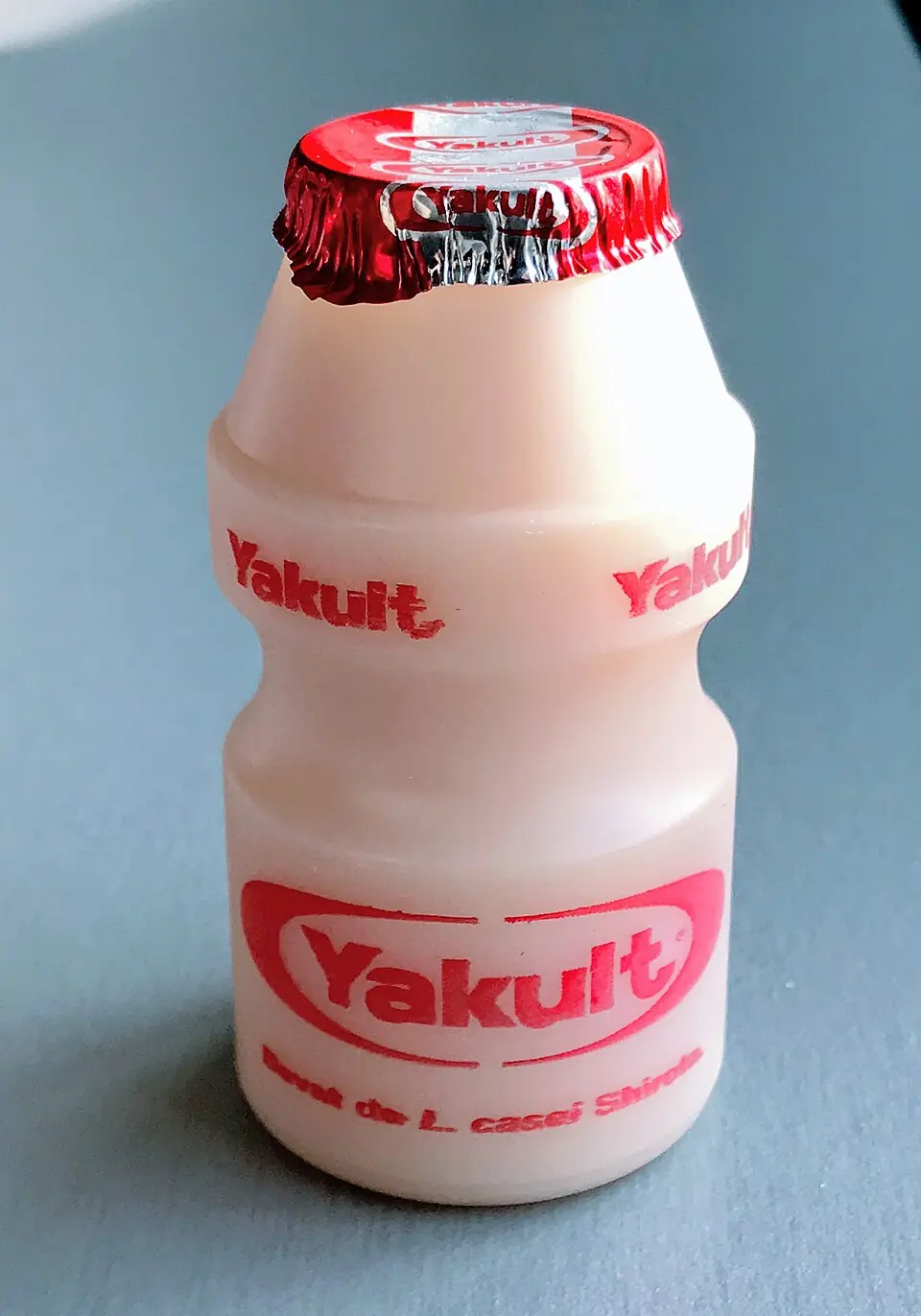
These tiny bottles contain a sweet cultured dairy drink familiar from Korean childhood. Twist or peel the foil top and drink it cold. Multipacks are common, but one or two bottles are enough for a quick taste.
The English-looking word “yogurt” covers drinks and spoonable cups, so use the package shape to choose. Both contain dairy unless specifically labeled otherwise.
17. Ice-cup coffee (얼음컵 커피)
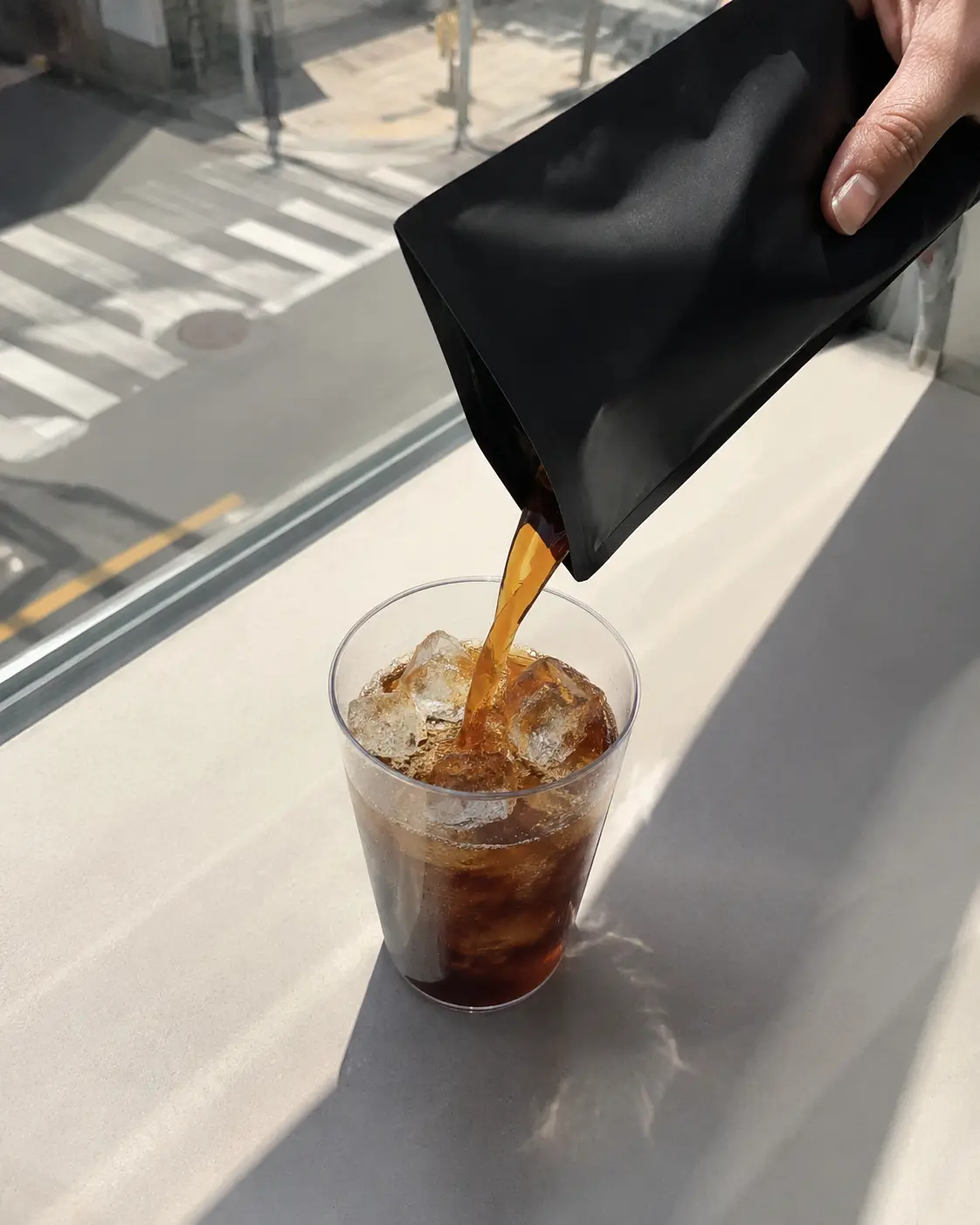
Korea’s convenience-store coffee ritual comes in two purchases: a sealed cup of ice and a chilled pouch of coffee or flavored drink. Pay for both, peel the ice-cup lid and pour. Americano, latte and sweet seasonal flavors sit nearby in the refrigerator.
Match cup and pouch size or the drink may overflow. This is cheap, fast summer caffeine; specialty cafés still win on coffee quality.
🍦 Sweets and snacks: 18–20
18. Korean ice cream (아이스크림)
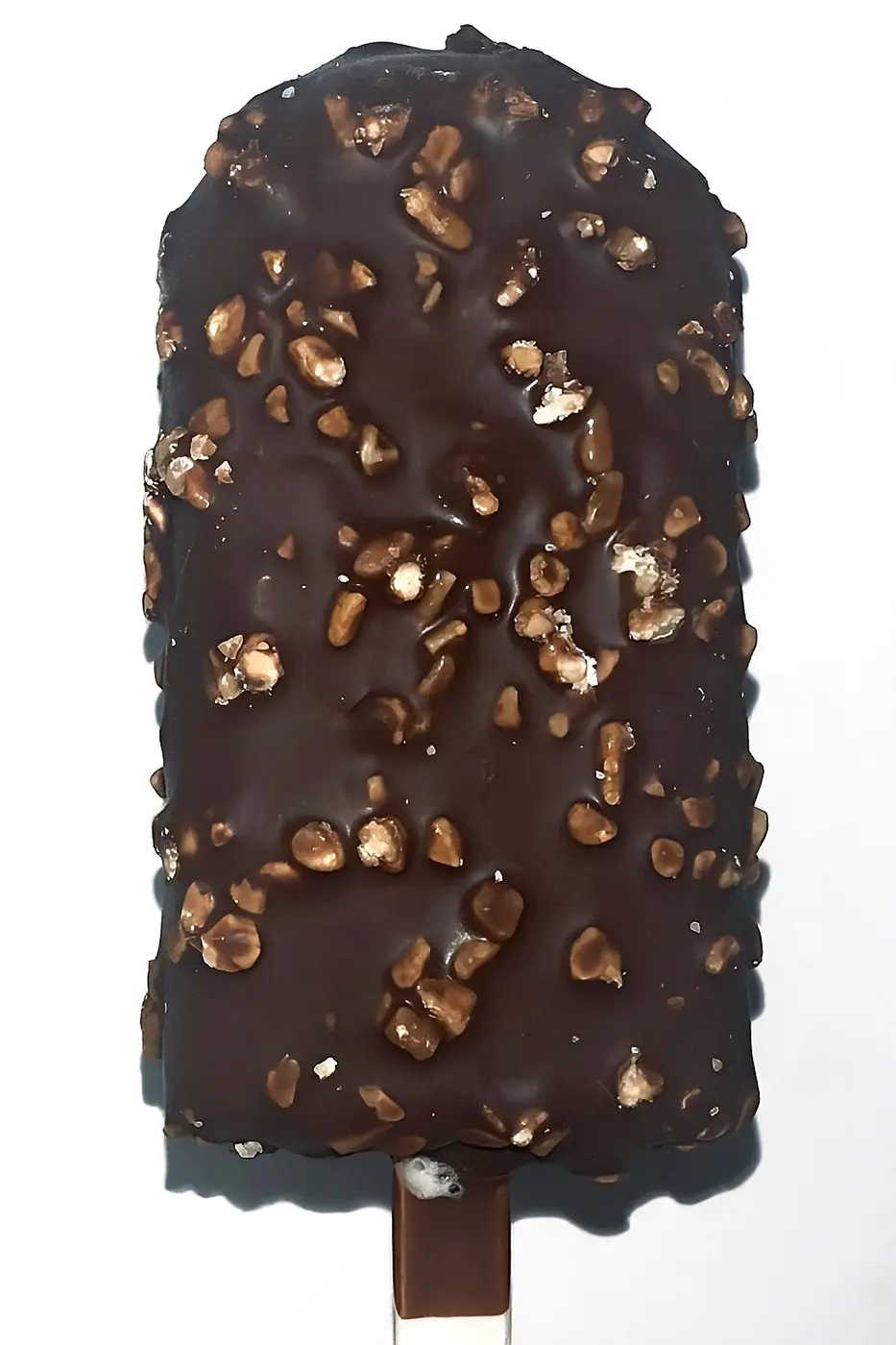
Freezers hold melon-flavored bars, chocolate-coated cones and fish-shaped wafer sandwiches filled with ice cream and red bean. A melon bar is the cleanest first choice; the fish-shaped version offers a more Korean mix of chewy bean paste, wafer and dairy.
Products soften quickly in summer, so eat them outside the store rather than carrying them through three subway transfers.
19. Choco pie (초코파이)
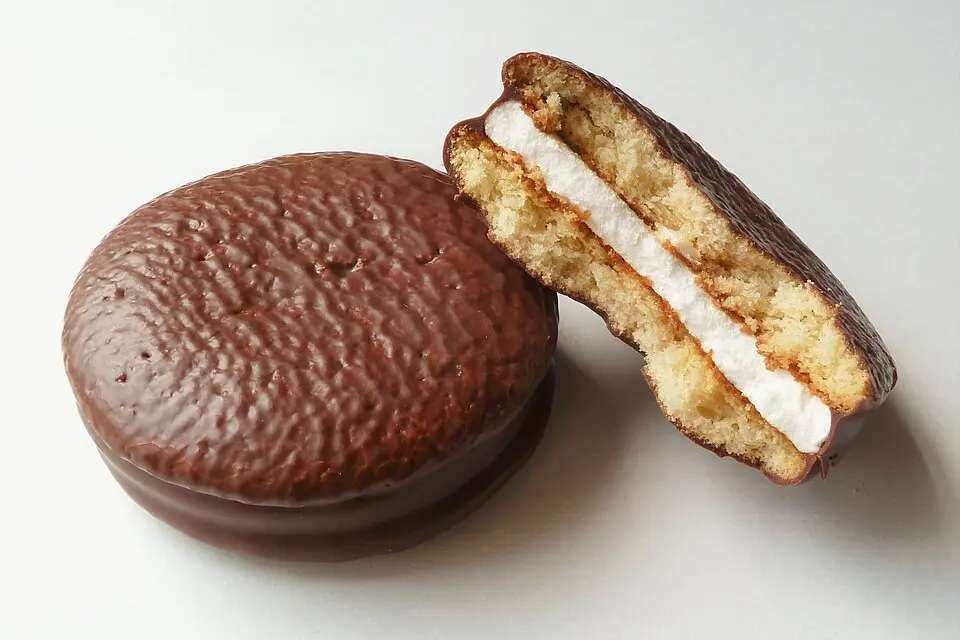
Choco pie is two soft cake rounds around a marshmallow layer, coated in chocolate. It is less a sophisticated dessert than an edible piece of Korean snack history. Buy a single or small pack for the trip; large boxes are better as gifts if you already know you like them.
The cake contains wheat, dairy and usually egg. It also crushes easily, so do not bury it under water bottles in your day bag.
20. Honey-butter chips (허니버터칩)
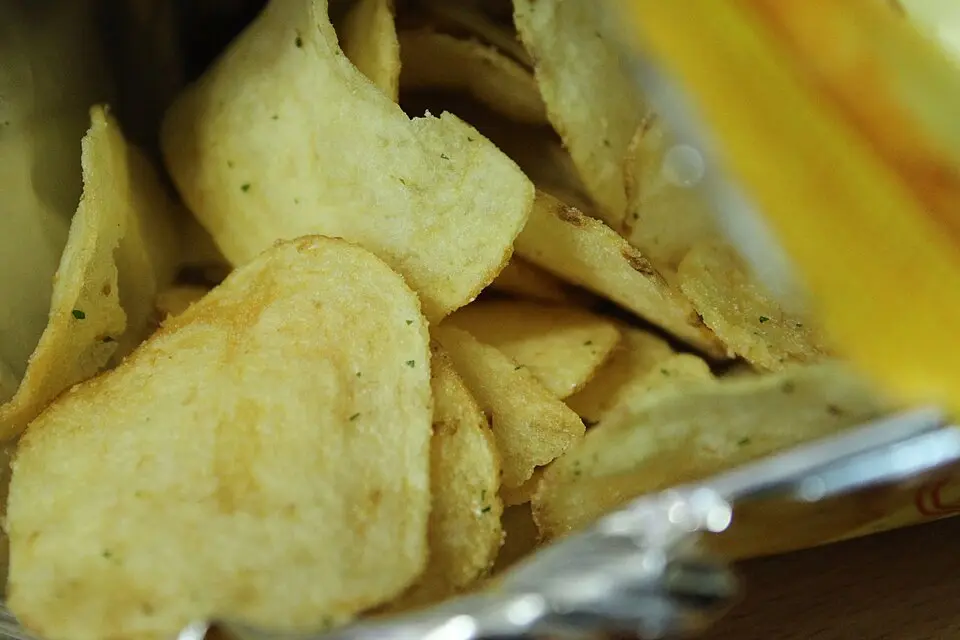
Honey-butter chips combine salt, sweetness and a creamy butter aroma in a way that once became a national craze. They remain a useful example of Korea’s fondness for sweet-savory snack flavors. Try them with beer or a plain sparkling drink rather than alongside an already sweet meal.
New viral chips appear constantly. We would skip hunting across multiple branches for a sold-out collaboration; the novelty is rarely worth losing an hour of a trip.
Best budget meal: Combine one triangle gimbap, one egg or hot bar and a drink. It is balanced enough for a travel day and easier to finish than a giant viral ramyeon experiment.
Convenience stores are excellent for gaps between meals, not a substitute for Korea’s restaurants and markets. Use them strategically: breakfast before an early train, a Han River picnic, or food after late arrival. For restaurant dishes, continue with our first-time Korean food guide.
Photo credits
- Hero — LERK, Wikimedia Commons, CC BY-SA 4.0; resized and converted to WebP.
- 2. Packet ramyeon in a foil bowl (봉지라면) — YKJJ, Wikimedia Commons, CC BY-SA 4.0; resized and converted to WebP.
- 3. Samgak gimbap (삼각김밥) — 박찹쌀, Wikimedia Commons, CC BY-SA 2.0 KR; resized and converted to WebP.
- 4. Packaged gimbap roll (줄김밥) — changupn, Wikimedia Commons, CC0 1.0; resized and converted to WebP.
- 5. Dosirak lunch box (도시락) — Shene81, Wikimedia Commons, CC BY 3.0; resized and converted to WebP.
- 6. Korean egg sandwich (에그 샌드위치) — Quercus acuta, Wikimedia Commons, CC BY-SA 4.0; resized and converted to WebP.
- 9. Cup tteokbokki (컵떡볶이) — jetalone, Wikimedia Commons, CC BY 2.0; resized and converted to WebP.
- 10. Convenience-store fried chicken (편의점 치킨) — Startandstar, Wikimedia Commons, CC0 1.0; resized and converted to WebP.
- 11. Mandu (만두) — Piotrus, Wikimedia Commons, CC BY-SA 4.0; resized and converted to WebP.
- 12. Smoked eggs (훈제란) — See-ming Lee, Wikimedia Commons, CC BY 2.0; resized and converted to WebP.
- 13. Roasted sweet potato (군고구마) — National Institute of Korean Language, Wikimedia Commons, CC BY-SA 2.0 KR; resized and converted to WebP.
- 14. Banana milk (바나나맛 우유) — KOREA.NET, Wikimedia Commons, CC BY-SA 2.0; resized and converted to WebP.
- 15. Sikhye (식혜) — gliuoo, Wikimedia Commons, CC BY-SA 2.0; resized and converted to WebP.
- 16. Probiotic yogurt drink (요구르트) — Amin, Wikimedia Commons, CC BY-SA 4.0; resized and converted to WebP.
- 18. Korean ice cream (아이스크림) — Explicit, Wikimedia Commons, CC BY-SA 4.0; resized and converted to WebP.
- 19. Choco pie (초코파이) — Quercus acuta, Wikimedia Commons, CC0 1.0; resized and converted to WebP.
- 20. Honey-butter chips (허니버터칩) — 수원알림이 *라프*, Wikimedia Commons, CC BY 4.0; resized and converted to WebP.


.jpg)


%202.jpg)


