20 Unique Things to Do in Seoul That Are Actually Worth Your Time
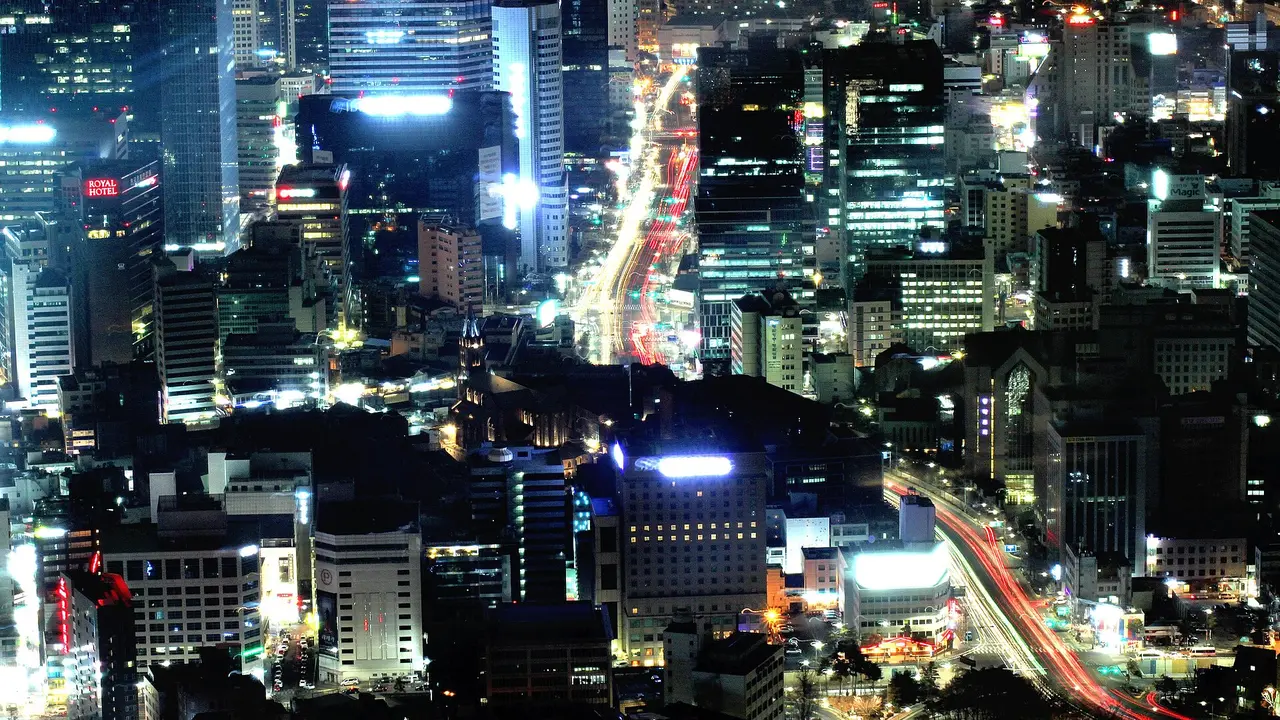
Seoul gets much more interesting once you stop treating it as a checklist of palaces, towers and shopping streets. The city’s most memorable experiences are often everyday Korean rituals, specialist stores, working neighborhoods and activities that let you participate instead of merely look.
This list contains 20 genuinely different things to do in Seoul. It is deliberately limited to ideas that can support a real outing; there are no filler entries created just to reach a round number.
Planning rule: Seoul is large. Choose two or three experiences in the same part of the city and leave time for the neighborhood between them.
Top 20 Unique Things to Do in Seoul
- Choose seafood at Noryangjin — a market-to-table meal with a process.
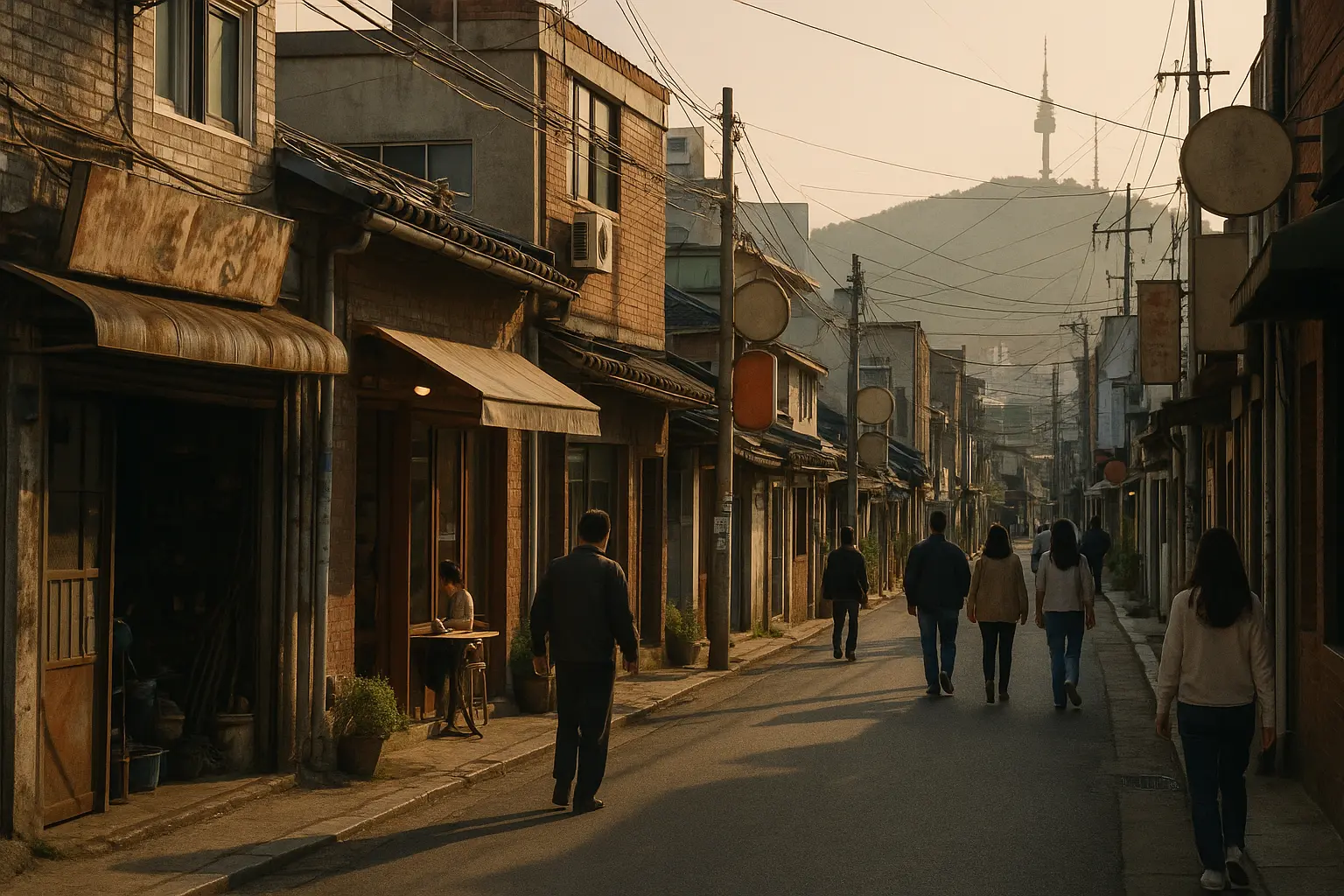
- Walk Euljiro’s printing alleys — old trades, new bars and Seoul’s ‘newtro’ mood.
- Hunt for pre-owned luxury at tren:be — Korea’s demand mismatch can produce remarkable prices.
- Get a personal color analysis — the most practical K-beauty appointment.
- Take Korean self-photos — a souvenir you will actually keep.
- Cook ramyeon beside the Hangang — Seoul’s simplest riverside ritual.
- Sing in a coin noraebang — private karaoke without a long commitment.
- Reset in a jjimjilbang — baths, heated rooms and Korean comfort food.
- Explore Mullae’s metalworking alleys — industry and art on the same block.
- Watch sunset in Haebangchon — a hillside evening above Yongsan.
- Browse Seongsu pop-ups — Seoul retail at its most experimental.
- Take a makgeolli or cooking class — learn something you can recreate.
- Try temple food or a temple program — a quiet cultural reset.
- Make a craft or Korean name seal — a handmade Insadong keepsake.
- Walk the Seoul City Wall at night — history with a skyline.
- Attend a Korean baseball game — crowd culture even non-fans enjoy.
- Learn a K-pop dance chorus — become part of the choreography.
- Ride a public bike along the Hangang — an active city tour with no traffic jam.
- Book a Korean head-spa treatment — a beauty ritual built around scalp care.
- Hike Seoul with rented gear — arrive without boots and still reach a real trail.
1. Choose Seafood at Noryangjin Market — Best Market-to-Table Meal
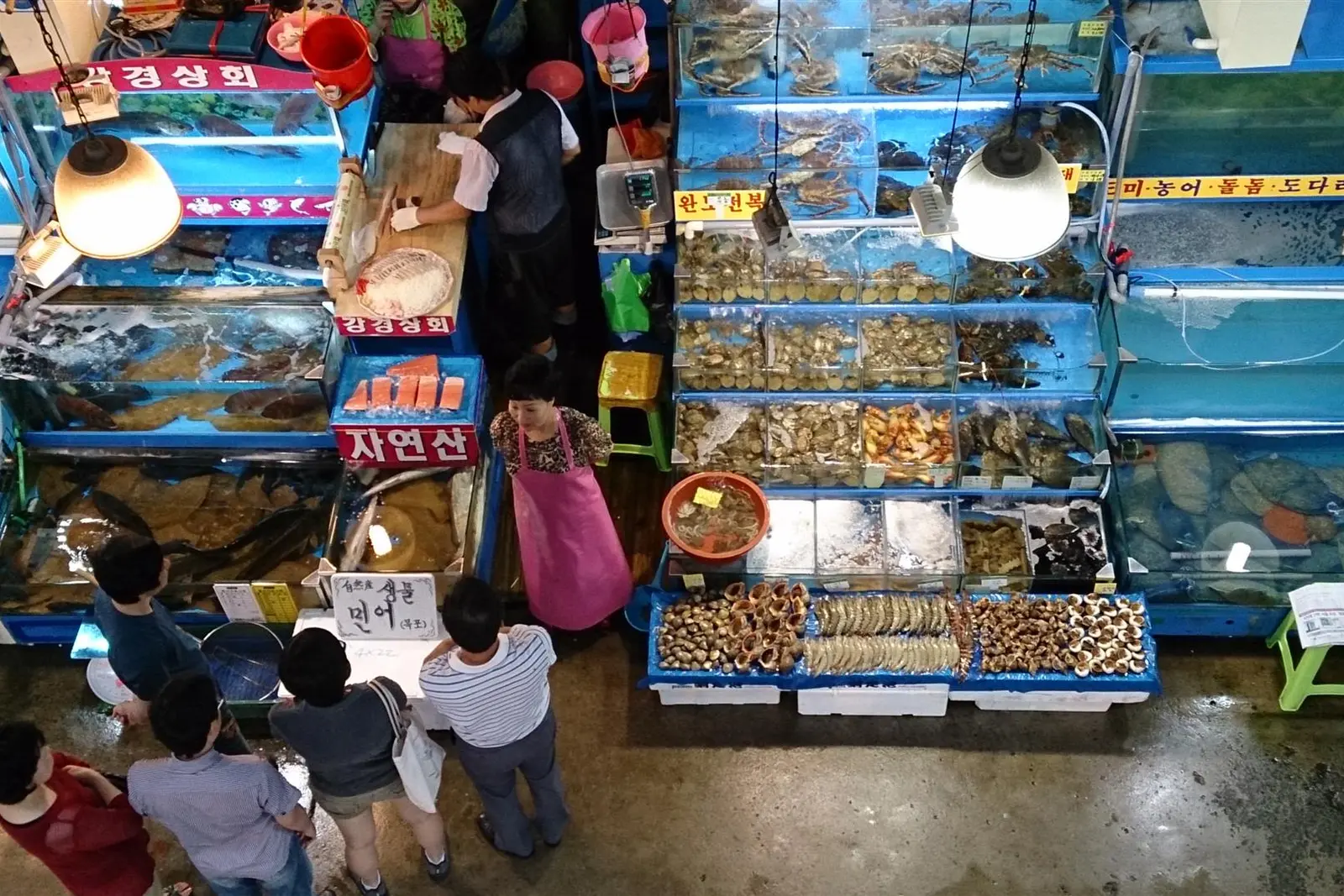
Choose seafood at a market stall, agree on the product, weight and price, then pay a restaurant separately to prepare it and provide the table setting. Ask about both parts of the bill before committing. Go for the process, not an assumption that every item must be cheaper than a neighborhood restaurant.
The easiest order is fish market first, restaurant second. Point to the exact seafood, confirm whether the quote is per piece or by weight, and ask the vendor to write down the total before it is sent upstairs. At the restaurant, choose the preparation—raw slices, grilled or steamed seafood, and often a spicy soup made from the remaining fish—and confirm cooking and table-setting charges separately. A calculator or translation app helps when the counter is busy.
Come in late morning or early afternoon if you want time to compare stalls without the dinner rush. One or two carefully chosen items usually make a better meal than accepting a large mixed recommendation you did not plan to order.
Ordering tip: Before paying for the seafood, ask “fish price plus restaurant fee—how much altogether?” Photograph the stall number and receipt so the upstairs restaurant can trace the order if anything is missing.
- 📍 Map: Noryangjin Fisheries Wholesale Market
- 🚇 Best transport: Lines 1 or 9 to Noryangjin Station; subway is easier than parking.
- Official guide: How the market and restaurant payments work
2. Walk Euljiro’s Printing Alleys — Best ‘Newtro’ Seoul
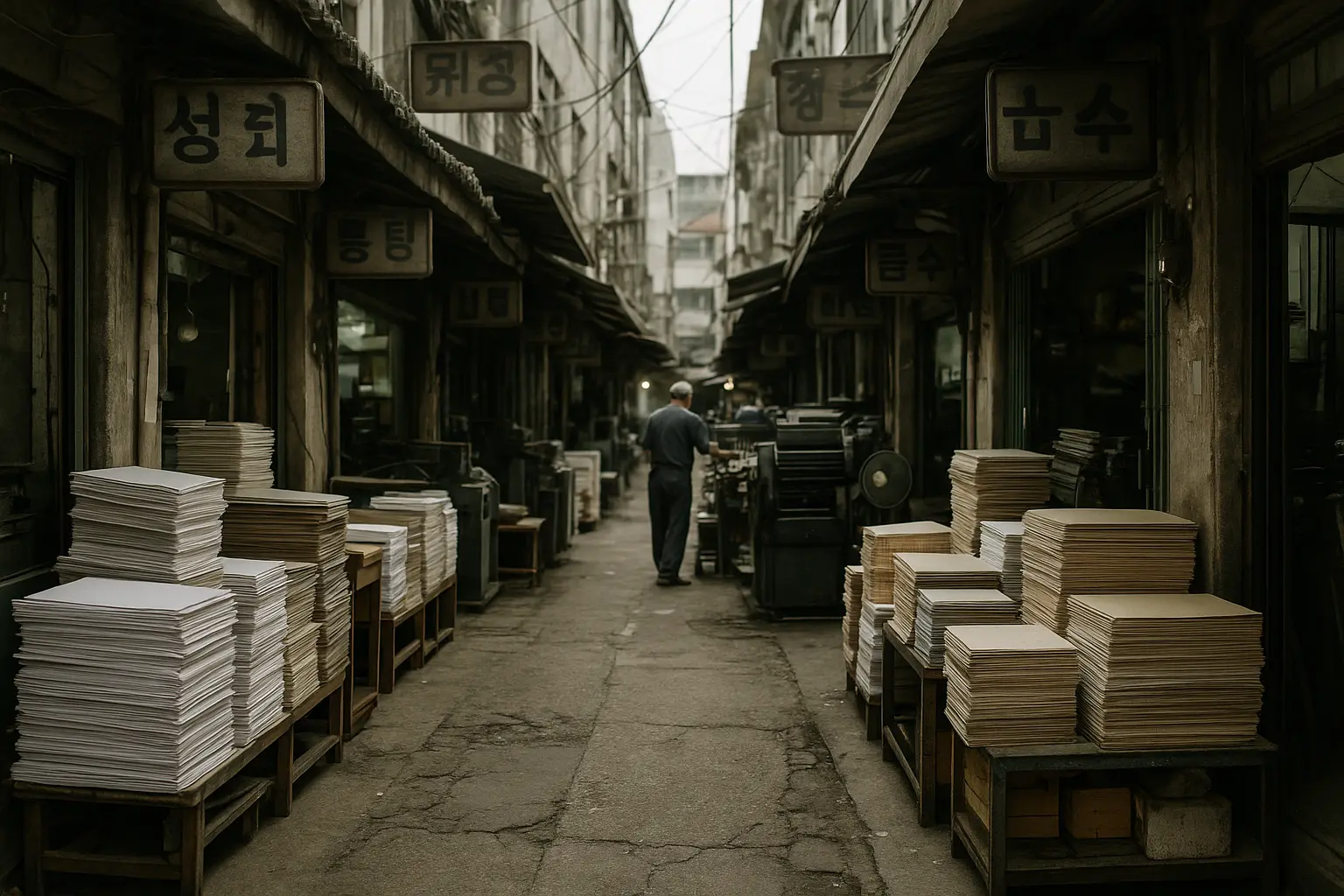
Euljiro’s narrow lanes still contain print shops, lighting stores, tool businesses and metal workshops; after work, discreet bars and restaurants change the mood. Visit on a weekday afternoon to see the trades, then stay for dinner. Do not enter workshops or photograph workers without permission, and remember that many daytime businesses are closed on weekends.
This area works because the same blocks have two different lives. Between roughly lunchtime and late afternoon, you can hear presses running and see paper, acrylic, lighting and metal businesses at work. Toward evening, the industrial shutters and unsigned upper floors hide small restaurants and bars. Start near Euljiro 3-ga, wander toward Sewoon Sangga, and allow 60–90 minutes before a booked dinner.
This is not a polished heritage district: delivery scooters, carts and active workshops share the lanes. Keep doorways clear, step aside for workers carrying materials, and save the places you want to revisit on your map—many entrances are intentionally easy to miss.
Local tip: Visit Tuesday–Friday for the best overlap between working shops and evening venues. Pick one dinner destination in advance; “hidden” does not necessarily mean walk-in tables are available.
- 📍 Map: Euljiro Printing Alley
- 🚇 Best transport: Lines 2 or 3 to Euljiro 3-ga Station; the alleys are for walking, not driving.
- Official guide: Euljiro’s printing alley and Hipjiro
3. Hunt for Pre-Owned Luxury at tren:be — Best Price-Discovery Stop
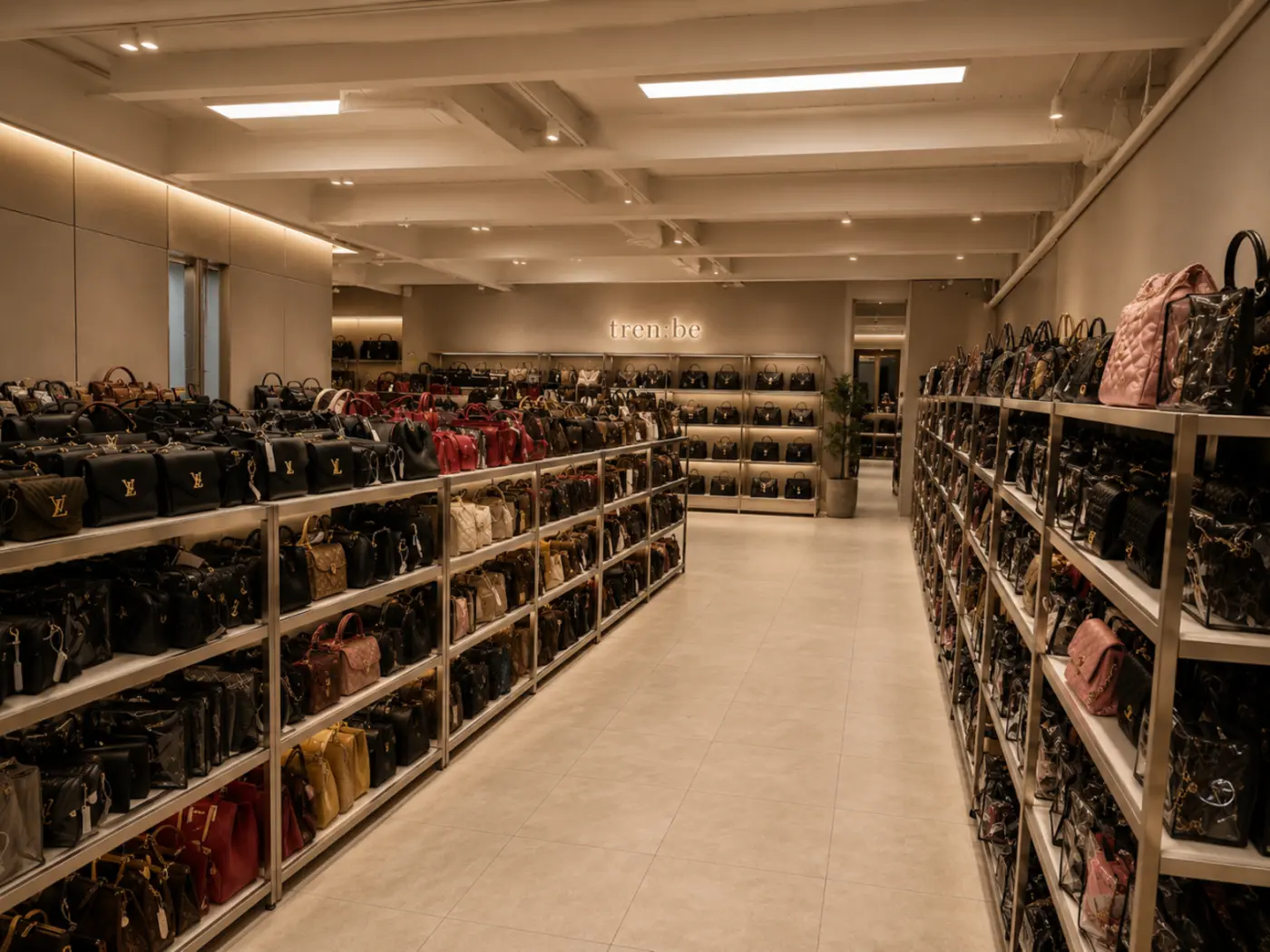
tren:be Gangnam Center is one of the Korean resale names American luxury shoppers already encounter online. Tren:be appears repeatedly in U.S.-focused Reddit handbag discussions, where shoppers ask about both buying and reselling through the Korean platform. The physical store turns that online curiosity into something useful: you can inspect size, leather, corner wear, hardware and included accessories before deciding.
The most interesting prices often come from a demand mismatch. A model or color with weaker demand in Korea may be popular in the United States or another market, producing a striking price gap on particular pieces. That does not mean every item is cheap, so compare condition and current overseas resale prices rather than chasing one logo. International visitors regularly stop at the offline store, and a focused hunt by brand, category and budget works better than expecting one exact listing to be waiting.
For a useful visit, arrive with two or three comparison targets rather than one dream listing: for example, a shoulder bag under a set budget, a specific size across two brands, or the same model in several conditions. That makes the large physical selection an advantage and keeps the stop focused. Photograph condition tags and reference numbers, then check the full price—including any tourist refund rules—before deciding.
Comparison tip: New retail price, overseas resale price and the store’s condition grade are three separate numbers. Compare all three; a dramatic discount percentage alone does not tell you whether a particular piece is the best buy.
- 📍 Map: tren:be Gangnam Center
- 🚇 Best transport: Line 7 to Nonhyeon Station, Exit 7; about one minute on foot. A taxi is unnecessary unless carrying several purchases.
- Before buying: Confirm condition grade, inclusions, overseas-card support, return terms and any tax-refund eligibility on the official page.
4. Get a Personal Color Analysis — Best Practical K-Beauty Experience
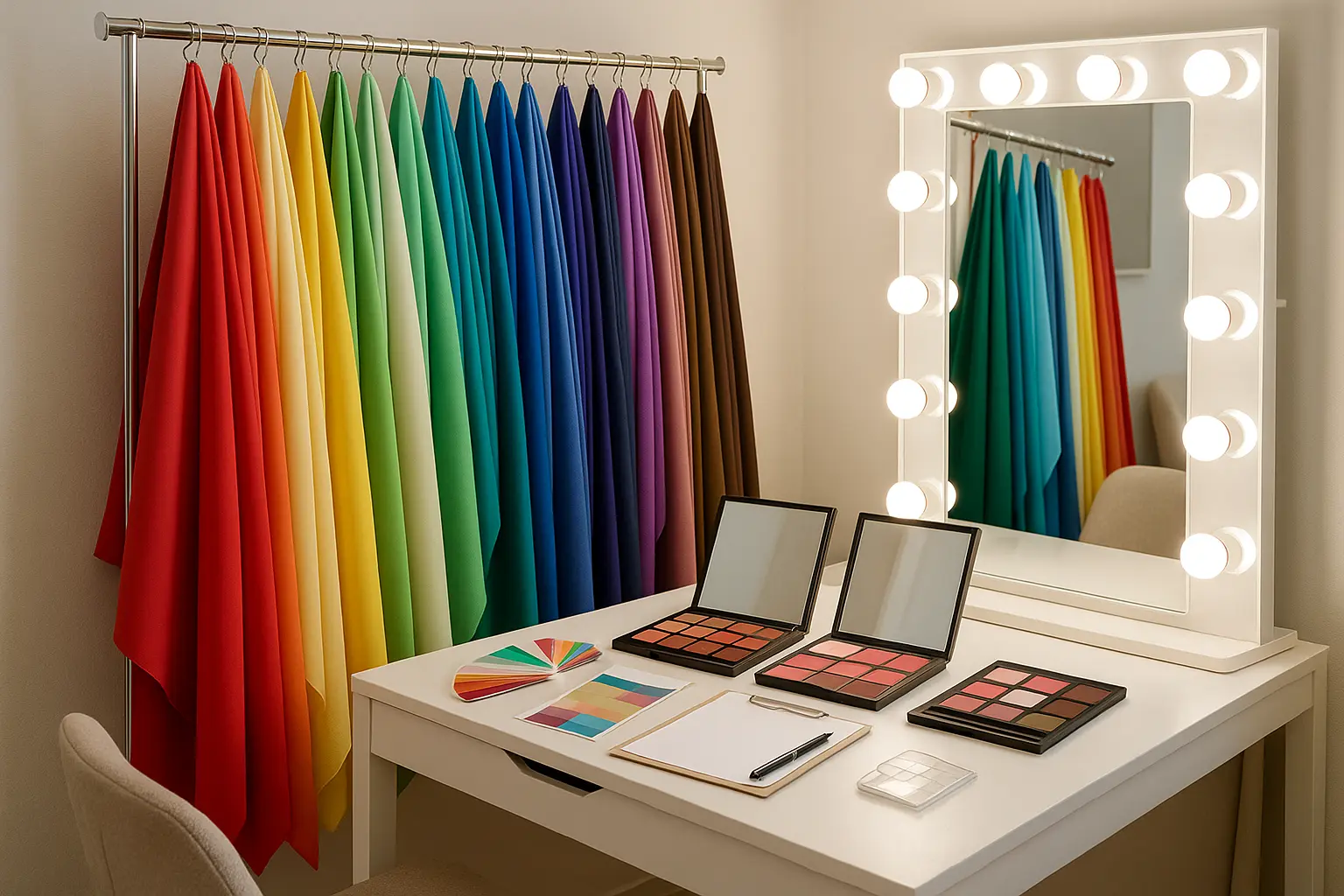
A consultant tests warm, cool, muted and bright color families around your face, then recommends makeup, hair and clothing tones. Compare appointment length, English support, written results and whether product suggestions are brand-neutral. Treat it as styling guidance, not medical science.
A typical appointment begins with neutral drapes, moves through temperature and brightness, and ends with a smaller palette you can actually use. Better studios explain why neighboring colors behave differently rather than announcing only a “season.” Some add makeup trials, fabric swatches or a digital report; these extras vary, so confirm exactly what is included before booking.
For the clearest result, ask the studio whether it prefers light makeup, bare skin or no colored contact lenses. Bring photos of clothes or lipstick shades you already own and save the final palette to your phone. A 60–90-minute session is easier to use than a rushed tourist package when you want detailed advice.
Booking tip: English service, session length and a take-home palette matter more than a photogenic studio. Send those three questions before paying a deposit.
- 📍 Map: Personal color analysis in Seoul
- 🚇 Best transport: Subway; book in Gangnam, Hongdae, Myeongdong or Seongsu near the rest of your itinerary.
- 🔎 Naver Map:
퍼스널컬러 외국인
5. Take Korean Self-Photos — Best Personal Souvenir
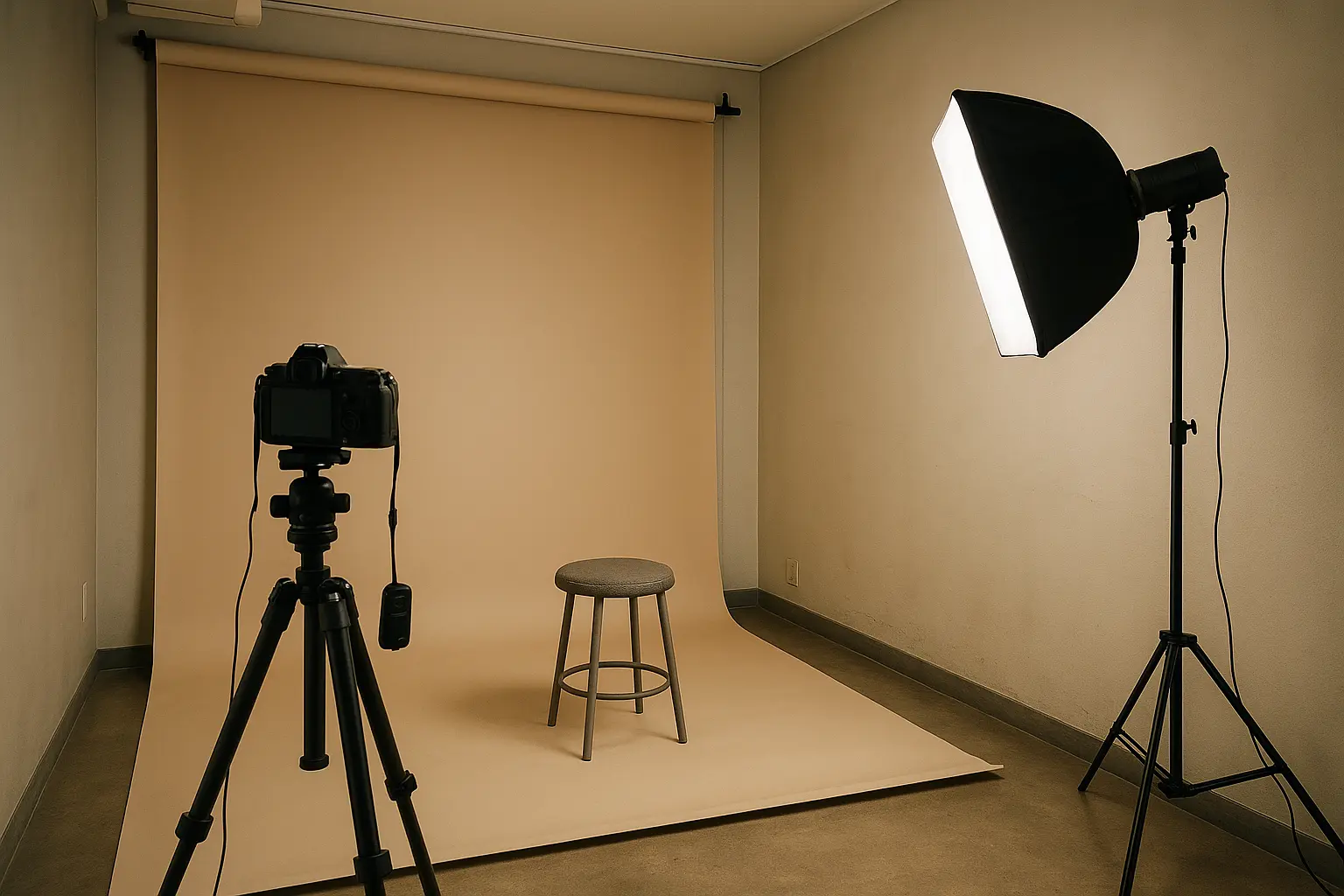
Four-cut booths are fast and playful; private self-photo studios give you a remote shutter and time to compose a proper portrait. Wear colors that separate from the backdrop, practice one pose before the timer starts and download the digital file immediately when a QR code is offered.
Choose the format by the souvenir you want. A four-cut booth is usually a quick, walk-in activity for friends; you choose a frame, take timed shots and leave with strips. A private self-photo studio gives you a plain backdrop, remote shutter and a longer session, often followed by selecting and retouching a few portraits. Groups should check the maximum number of people and whether pets or props are allowed.
Do a mirror check before the clock starts, keep poses simple, and take one safe set before experimenting. Digital files, retouching and extra prints are not always included in the base package, while QR download links may expire.
Photo tip: Confirm whether you receive every original file or only selected retouched images. Download QR files before leaving and keep the printed strip flat inside a book or passport wallet.
- 📍 Map: Self-photo studios in Seoul
- 🚇 Best transport: Subway or walking; booths cluster around Hongdae, Myeongdong, Gangnam and Seongsu.
- 🔎 Naver Map:
셀프사진관·인생네컷
6. Cook Ramyeon at a Hangang Convenience Store — Best Everyday Seoul Ritual
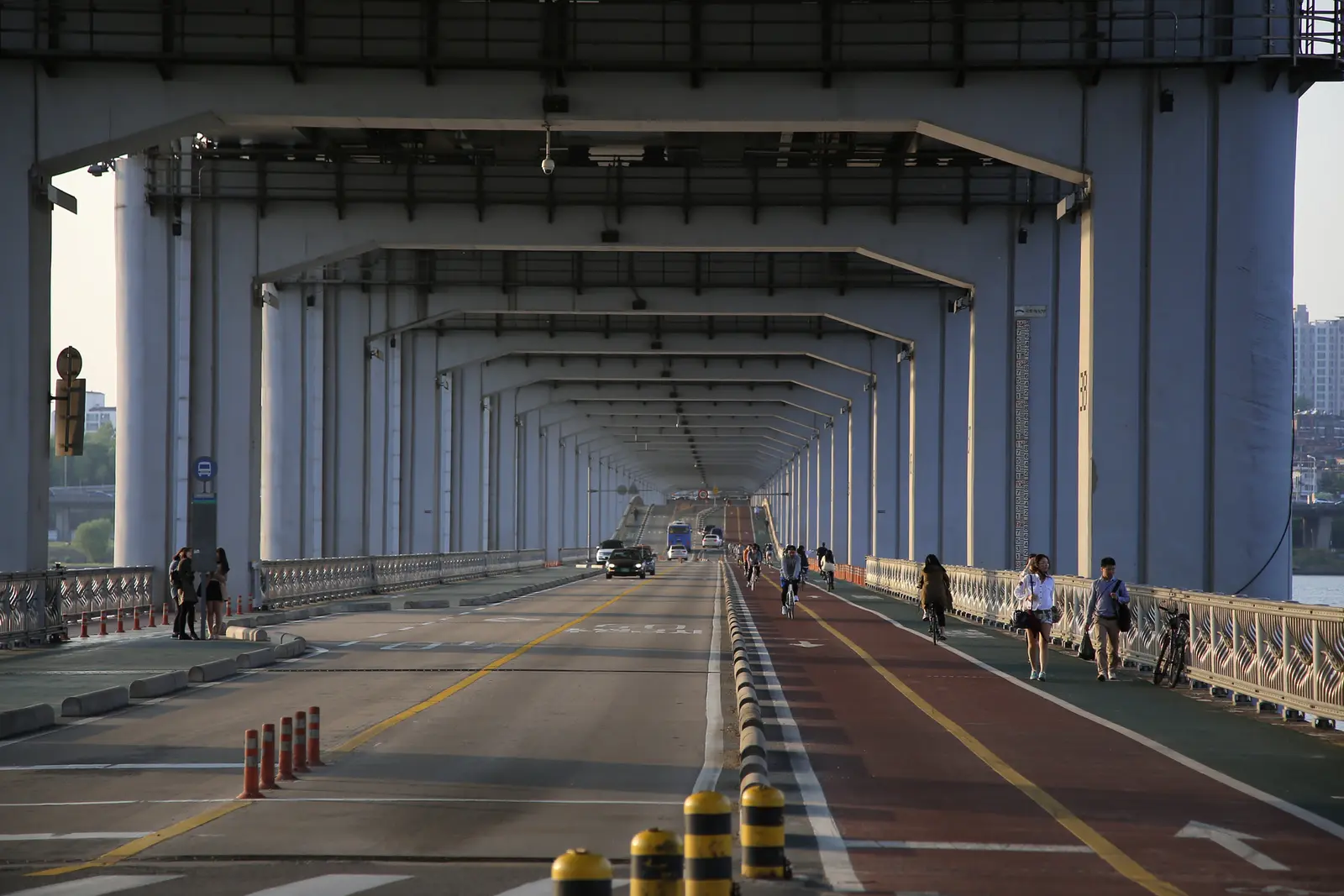
Buy a disposable ramyeon bowl made for the cooking machine, add toppings, follow the hot-water instructions and carry it to a riverside table. Add fried chicken and sunset and a convenience store becomes the evening’s main event. Sort the waste correctly and remember that the river wind is colder than the city forecast.
- 📍 Map: Banpo Hangang Park
- 🚇 Best transport: Subway plus a walk; use Banpo, Yeouido or Ttukseom according to your route. Parking can be congested on warm weekends.
- 🔎 Naver Map:
반포한강공원 편의점
7. Sing in a Coin Noraebang — Best Ten-Minute Mood Change
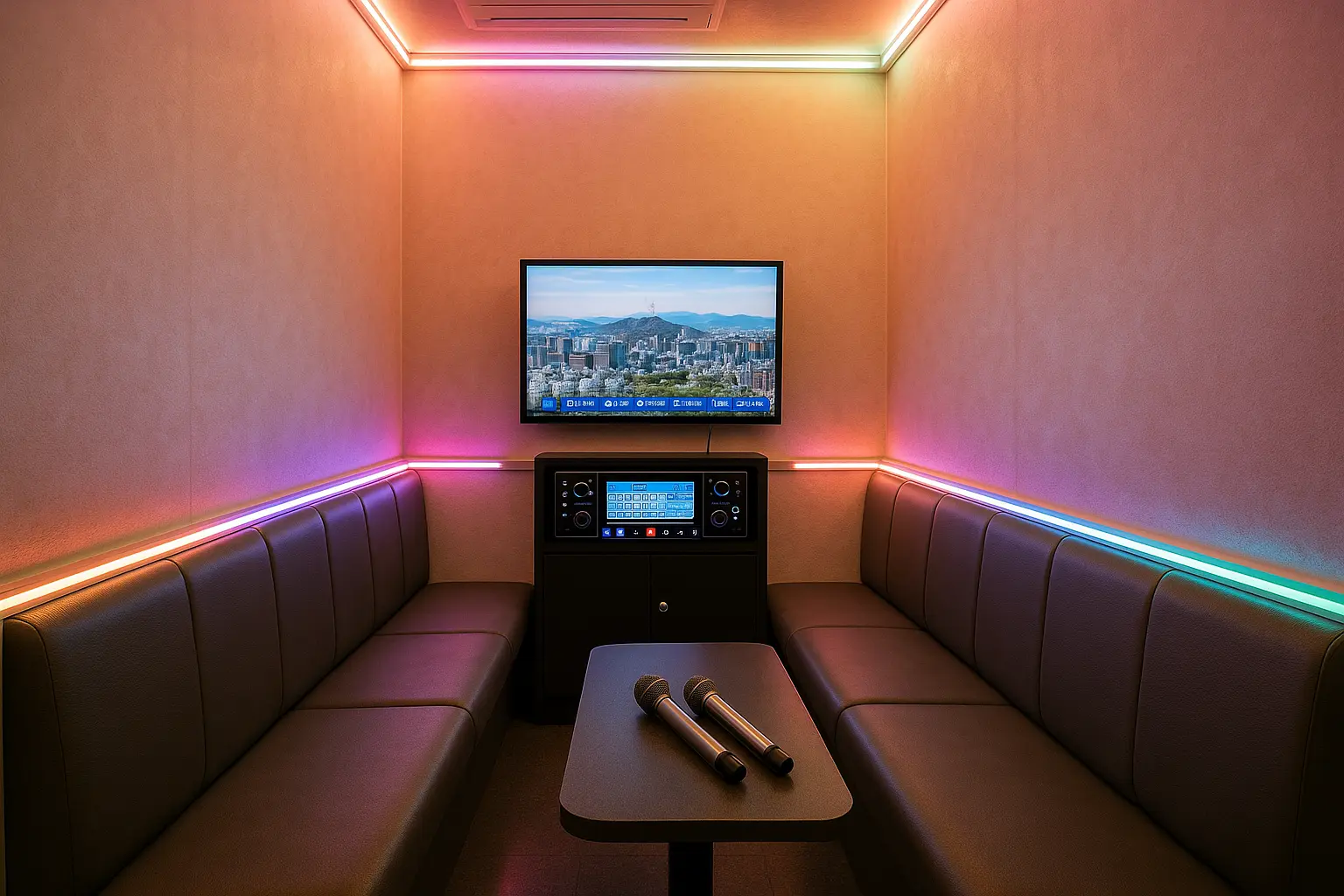
Coin noraebang lets you pay for a few songs instead of booking a long session. Search by Korean or English title, adjust the key and accept that the score is entertainment. Larger private-room venues suit groups, but check whether pricing is per room or person.
- 📍 Map: Coin noraebang in Hongdae
- 🚇 Best transport: Walk from any busy dining or university district; no taxi or rental car needed.
- 🔎 Naver Map:
코인노래방
8. Spend Half a Day in a Jjimjilbang — Best Full-Body Reset
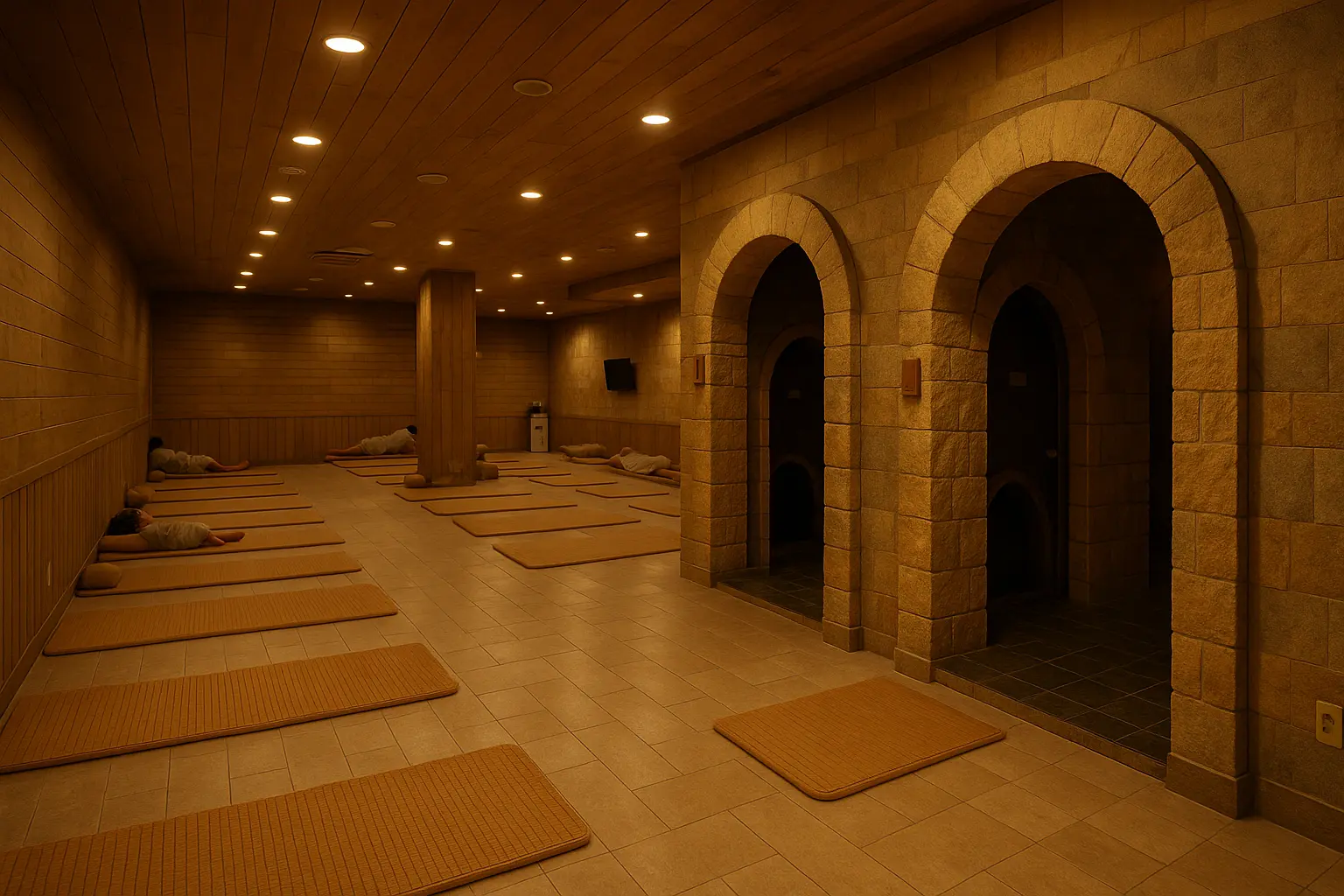
A jjimjilbang combines gender-separated bathing zones with shared heated rooms, lounges and often simple food. Bathing areas are nude and phone-free; shared spaces use the provided uniform. Verify current hours, overnight access and tattoo policies before traveling because facilities differ.
- 📍 Map: Jjimjilbangs in Seoul
- 🚇 Best transport: Subway; choose a well-reviewed facility close to your hotel rather than crossing the city late at night.
- 🔎 Naver Map:
서울 찜질방
9. Explore Mullae’s Metalworking Alleys — Best Industrial-Art Neighborhood
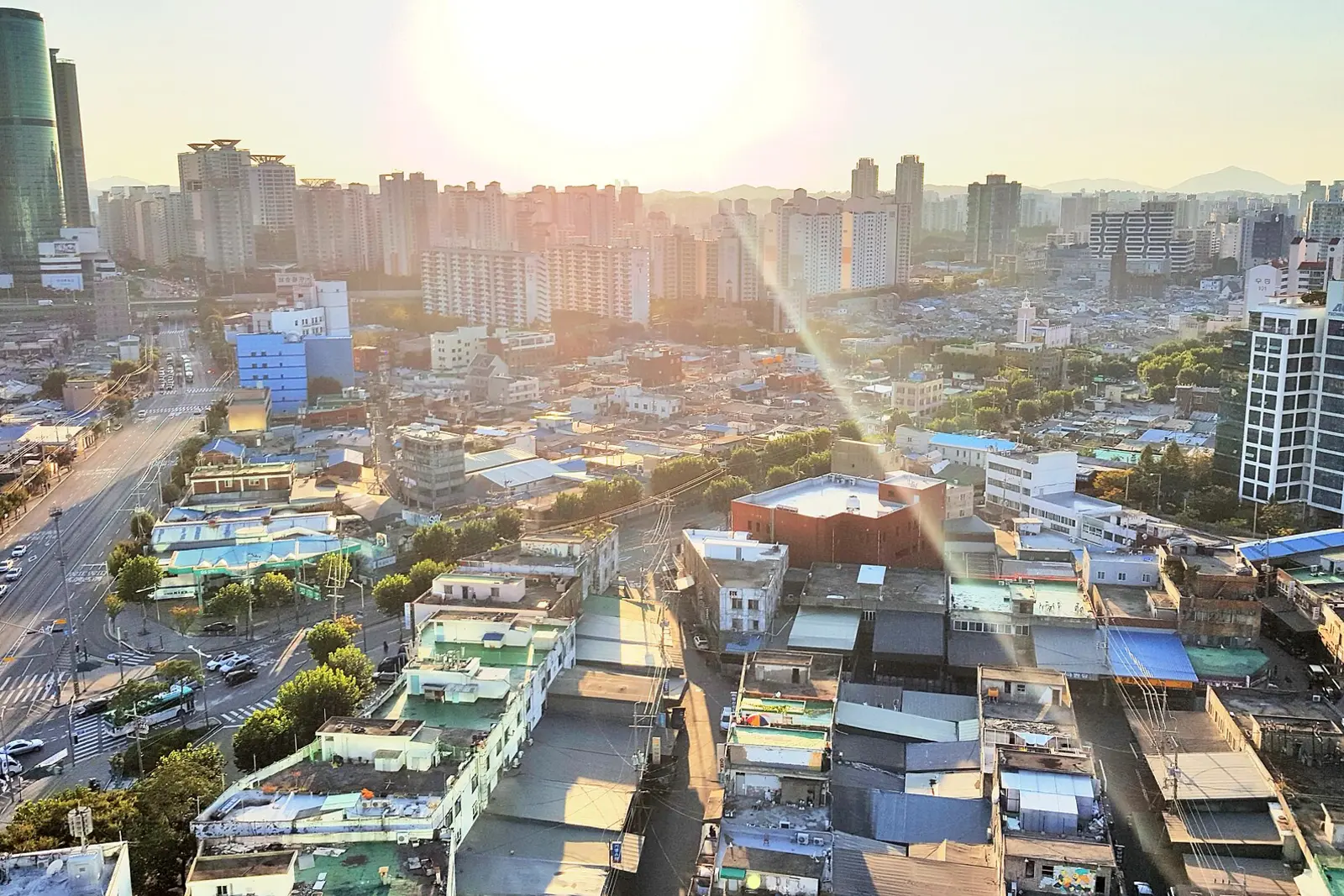
Metal workshops still operate beside artist spaces, murals, cafés and old restaurants. A weekday afternoon reveals more of the working district because many studios and workshops close on weekends. Stay out of active work areas and ask before photographing craftspeople; sparks, vehicles and materials are not props.
- 📍 Map: Mullae Art Village
- 🚇 Best transport: Line 2 to Mullae Station; explore on foot.
- Official guide: Mullae Art Village
10. Watch Sunset in Haebangchon — Best Hillside Neighborhood Evening
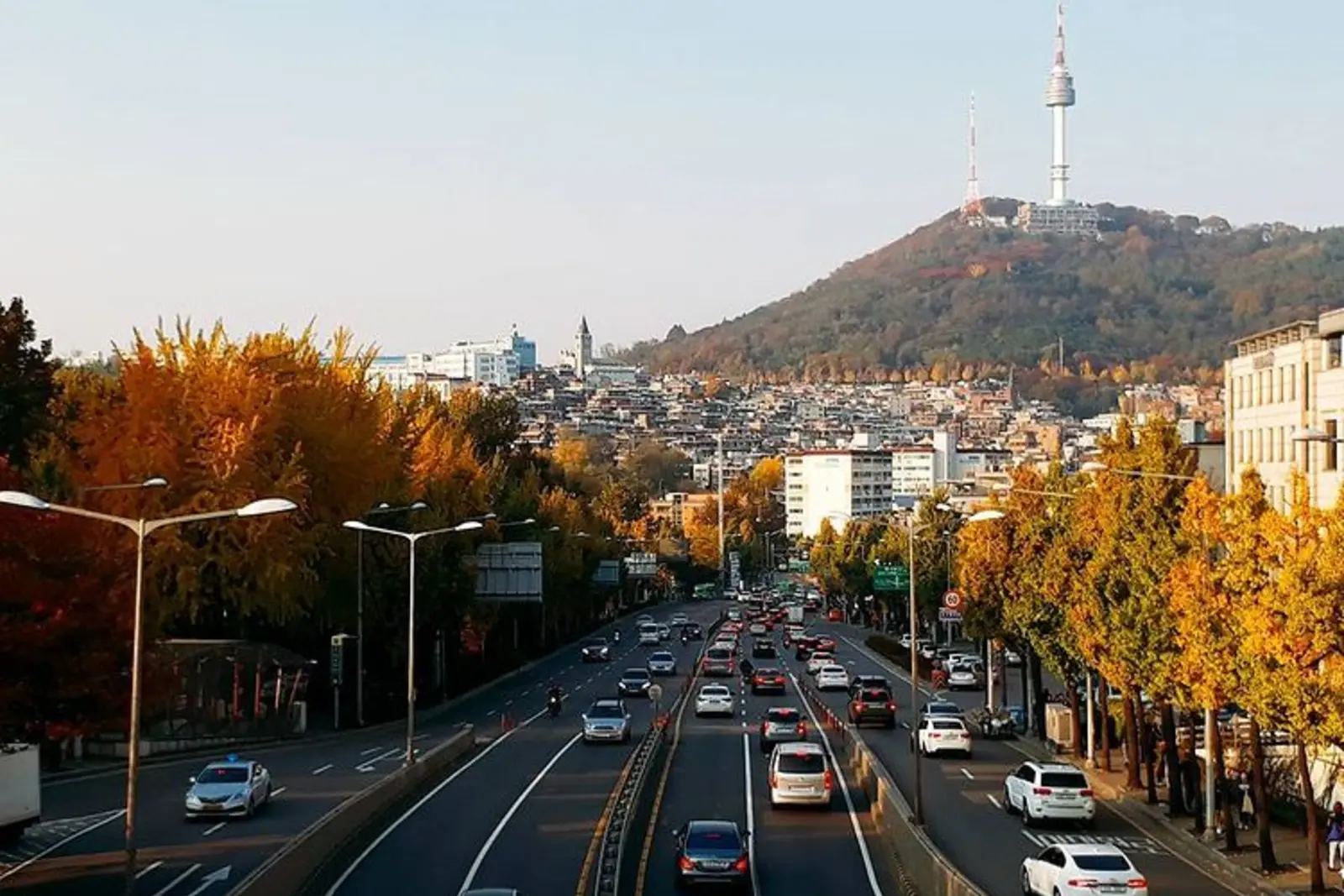
Haebangchon climbs above Yongsan with small restaurants, cafés, bars and rooftop views. Treat it as a slow neighborhood rather than a checklist. The slopes are substantial and some lanes have limited sidewalks, so take a bus or taxi uphill and walk down if heat or mobility is a concern.
- 📍 Map: Haebangchon
- 🚇 Best transport: Subway to Noksapyeong Station, then local bus, taxi or an uphill walk. Do not rent a car for these narrow streets.
- 🔎 Naver Map:
해방촌
11. Browse Design Shops and Pop-Ups in Seongsu — Best Constantly Changing District
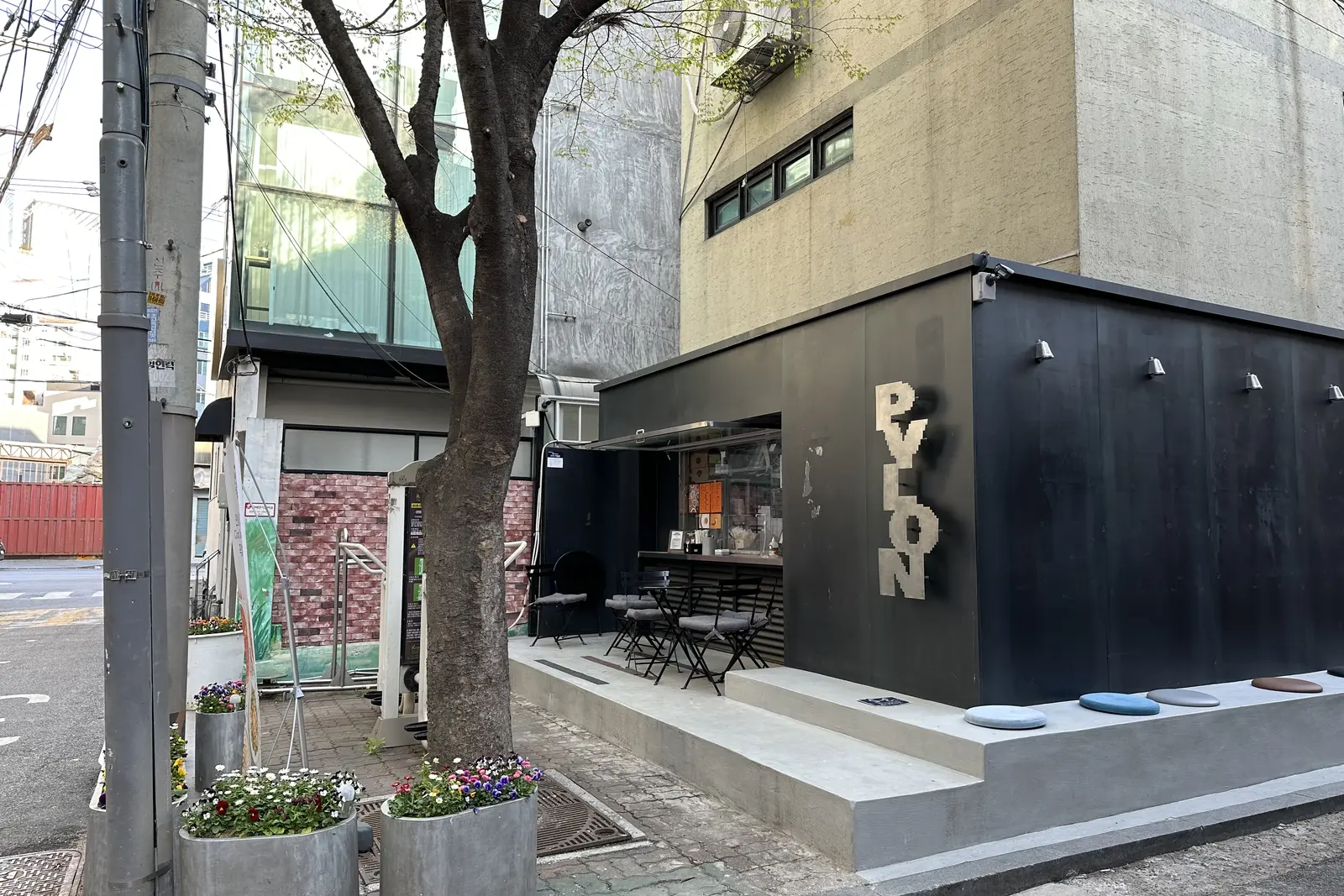
Converted factories now host Korean fashion and beauty flagships, design stores and temporary events. Check official social accounts for dates and reservations, but build a day that still works if the viral pop-up sells out. Weekday afternoons are calmer than weekends.
- 📍 Map: Yeonmujang-gil in Seongsu
- 🚇 Best transport: Line 2 to Seongsu Station, commonly Exit 3; walk between venues.
- 🔎 Naver Map:
연무장길·성수 팝업
12. Take a Makgeolli or Korean Cooking Class — Best Taste You Can Recreate
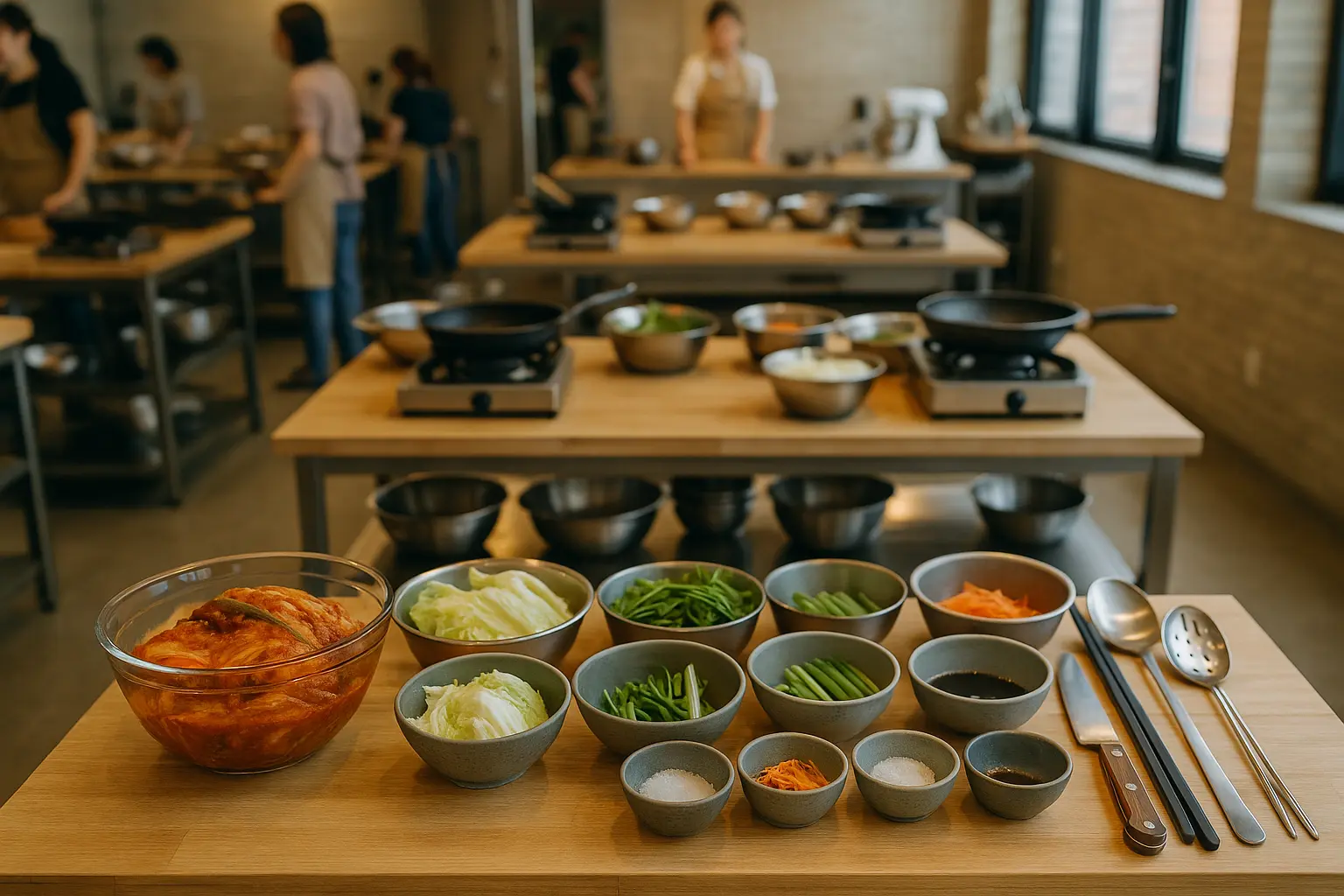
Choose by process: fermenting makgeolli, making kimchi, assembling banchan or cooking market dishes. Check language, dietary accommodation and how much of the session is hands-on. Fermentation classes may include alcohol tasting; cooking classes are the safer option for travelers who do not drink.
- 📍 Map: Korean cooking classes in Seoul
- 🚇 Best transport: Subway; book a studio near a planned market or neighborhood.
- 🔎 Naver Map:
외국인 막걸리 체험·외국인 한식 요리교실
13. Try Temple Food or a Temple Program — Best Quiet Cultural Reset
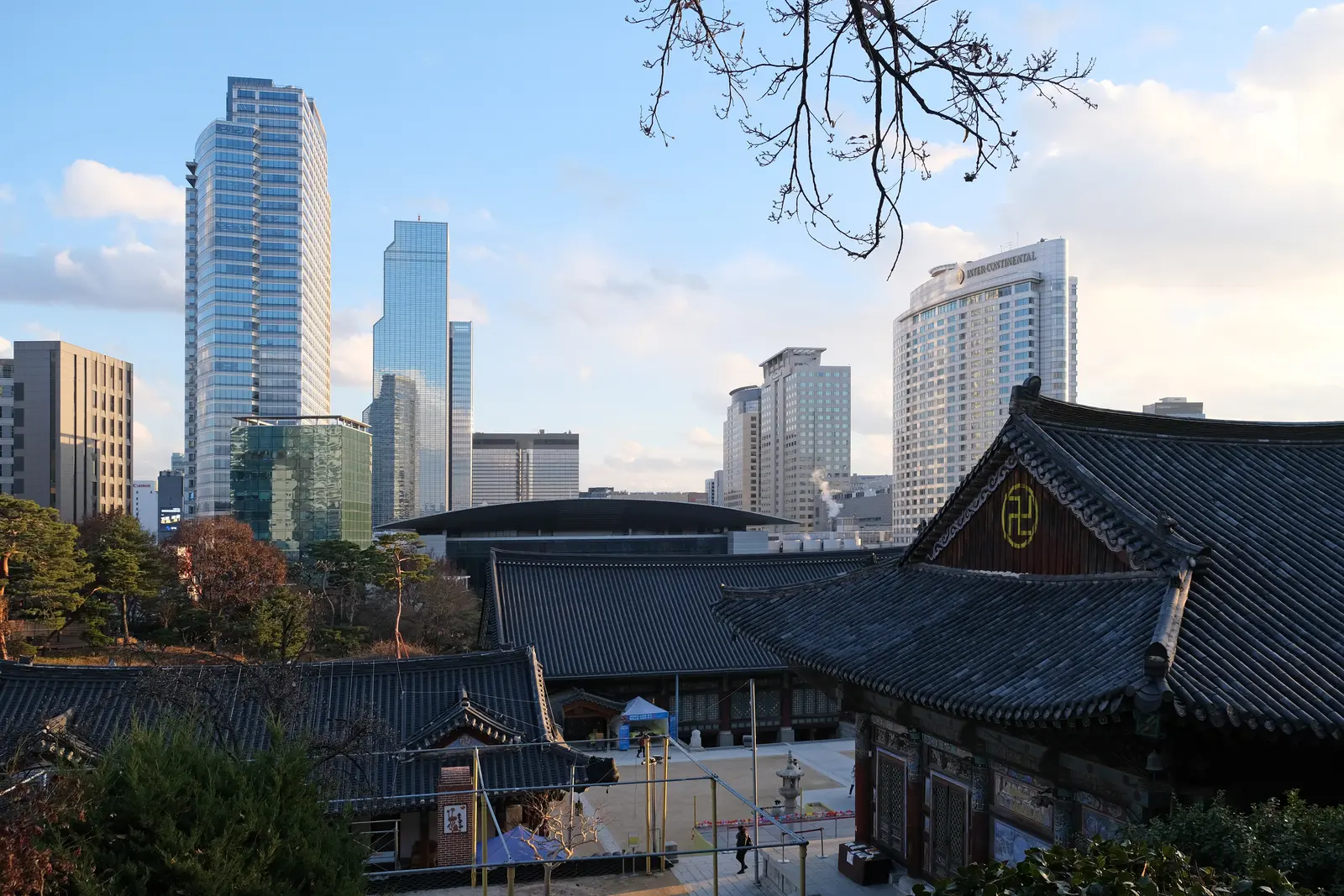
Temple food emphasizes vegetables, seasonality and Buddhist principles. A meal, meditation session or official temple program adds context that a photo stop cannot. Read the schedule and expectations in advance, keep voices low and follow photography restrictions at active religious sites.
- 📍 Map: Bongeunsa Temple
- 🚇 Best transport: Line 9 to Bongeunsa Station; subway is simplest.
- 🔎 Naver Map:
봉은사·서울 템플스테이
14. Make a Traditional Craft or Korean Name Seal — Best Handmade Gift
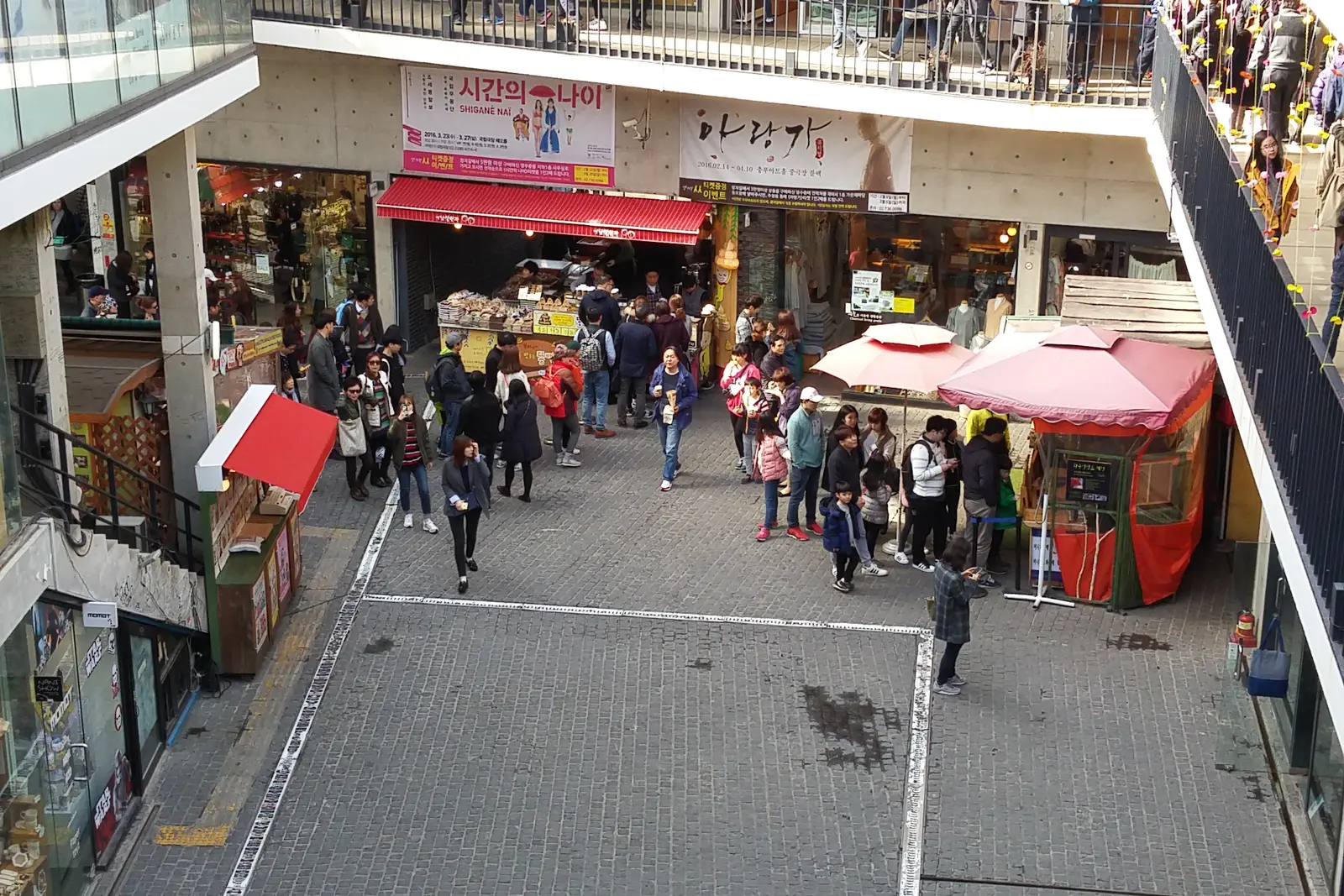
Book a stamp-carving, knot, paper, ceramics or calligraphy experience, or commission a Korean name seal after discussing the characters and design. Check duration and pickup time: ceramics may need drying, firing or later collection, which makes them risky on your final morning.
- 📍 Map: Ssamziegil in Insadong
- 🚇 Best transport: Line 3 to Anguk Station; walk through Insadong.
- 🔎 Naver Map:
인사동 도장 만들기·인사동 공예 체험
15. Walk the Seoul City Wall at Night — Best Free Historical Skyline
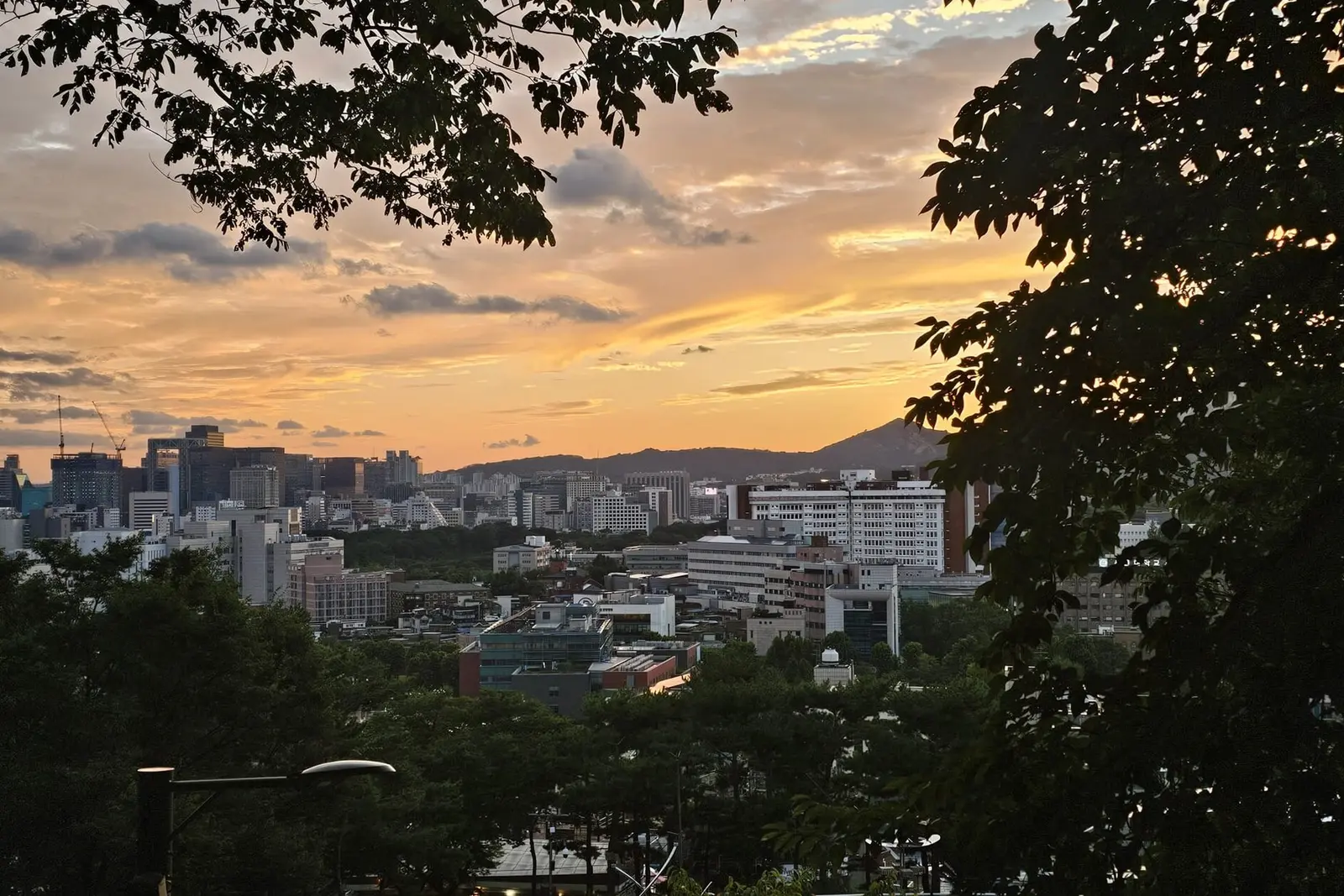
The Naksan section combines illuminated fortifications, neighborhood rooftops and a broad city view without an admission ticket. Start from Hyehwa for a manageable climb, stay on lit paths and do not treat residential alleys as shortcuts. Wind or ice can change the difficulty.
- 📍 Map: Naksan Park
- 🚇 Best transport: Line 4 to Hyehwa Station; return by subway or taxi after the walk.
- 🔎 Naver Map:
낙산공원 서울성곽
16. Attend a Korean Baseball Game — Best Crowd Culture
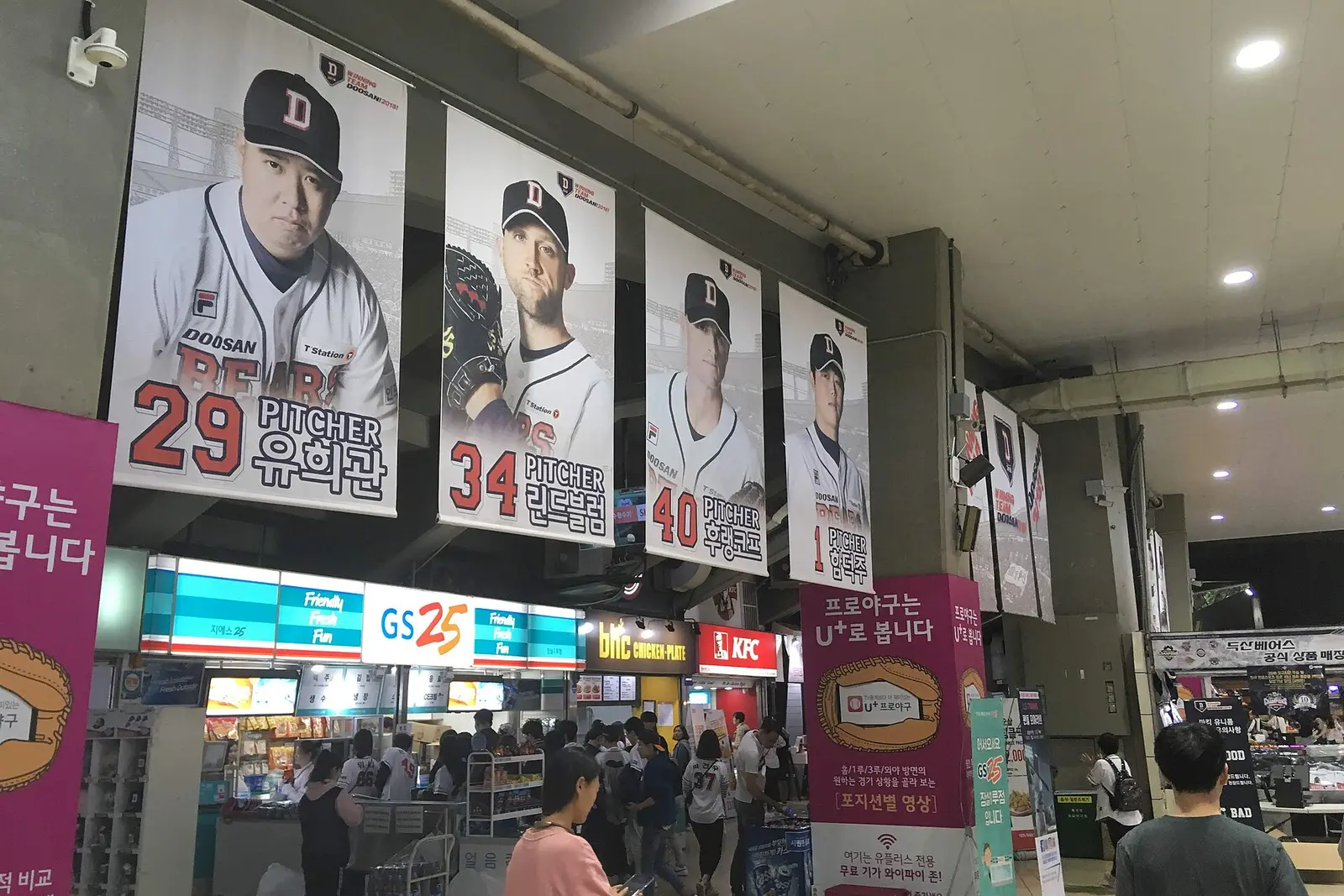
Korean baseball is a coordinated crowd performance with team songs, cheer leaders and stadium food. Buy through the official ticketing channel, confirm the home team and arrive early. Games are seasonal and weather-dependent, but the section’s rhythm is fun even if the standings mean nothing to you.
- 📍 Map: Jamsil Baseball Stadium
- 🚇 Best transport: Lines 2 or 9 to Sports Complex Station; do not drive on game nights.
- More detail: How to watch a baseball game in Seoul
17. Learn a K-Pop Dance Chorus — Best Participatory Hallyu Experience
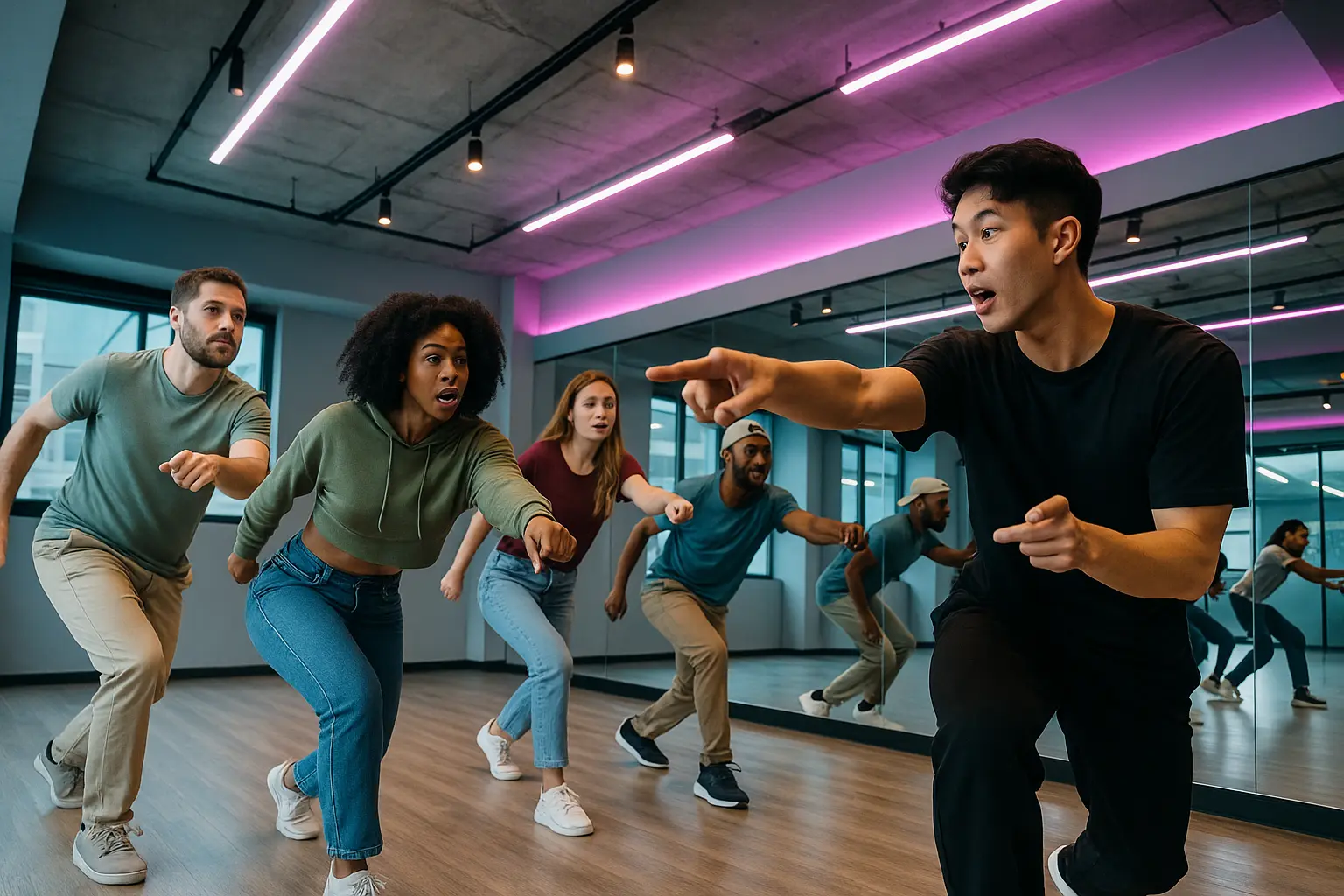
A beginner class usually breaks one chorus into manageable sections before filming a final take. Choose a song and difficulty level in advance, confirm that instruction is available in English and wear clean indoor sneakers. It is more memorable than watching choreography through a phone because you learn how much precision hides inside a few seconds.
- 📍 Map: K-pop dance classes in Hongdae
- 🚇 Best transport: Subway to Hongik University Station or the station named by the studio; no car needed.
- Booking check: Look for a real studio address, class size, filming policy and cancellation terms.
18. Ride a Public Bike Along the Hangang — Best Active City Tour
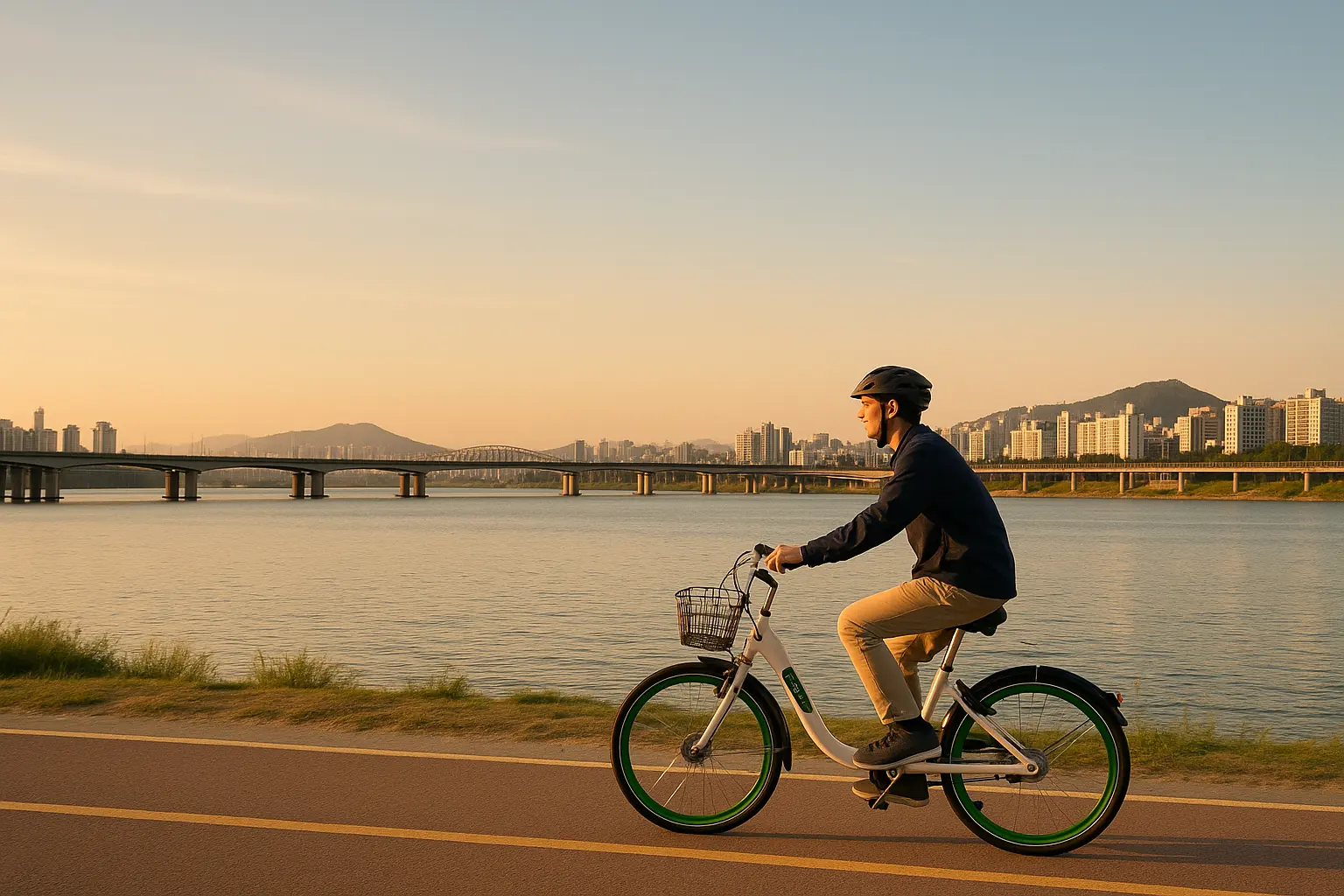
Seoul Public Bike, Ttareungyi, lets you rent and return at unmanned stations using the app. A simple route runs between riverside parks rather than across busy central roads. The city’s official night-view course links Jayang, Dongho Bridge, Banpo Bridge and Nodeul Island over roughly 13 kilometers. Use lights after dark, stay in the bike lane and slow down around pedestrians.
- 📍 Map: Ttukseom Hangang Park
- 🚇 Best transport: Subway to a riverside park, then bike. A rental car adds parking trouble and no value.
- Official information: How to rent Seoul Public Bike · Official Hangang night route
19. Book a Korean Head-Spa Treatment — Best Beauty Reset
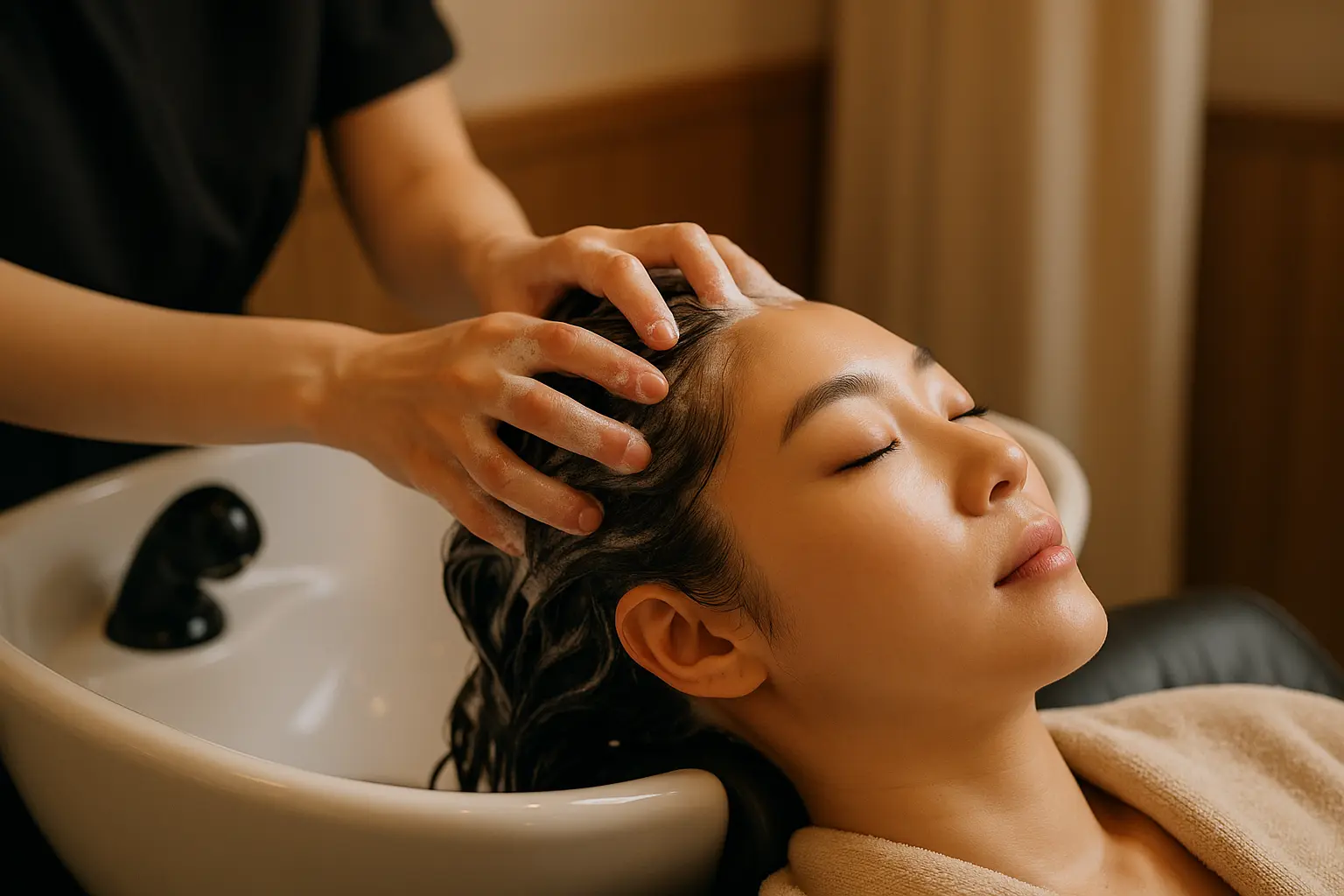
Korean head spas typically combine scalp inspection, cleansing, massage and conditioning in a salon-style appointment. Choose the experience for relaxation and grooming, not as a cure for a medical condition. Confirm the treatment steps, price, hair length surcharge and English support before booking; disclose allergies or a sensitive scalp.
- 📍 Map: Head spas in Seoul
- 🚇 Best transport: Subway; salons cluster in Gangnam, Hongdae and Myeongdong. Choose one near your hotel because hair may be freshly styled afterward.
- 🔎 Naver Map:
외국인 헤드스파 서울·두피 스파
20. Hike Seoul with Rented Gear — Best Unexpected City Adventure
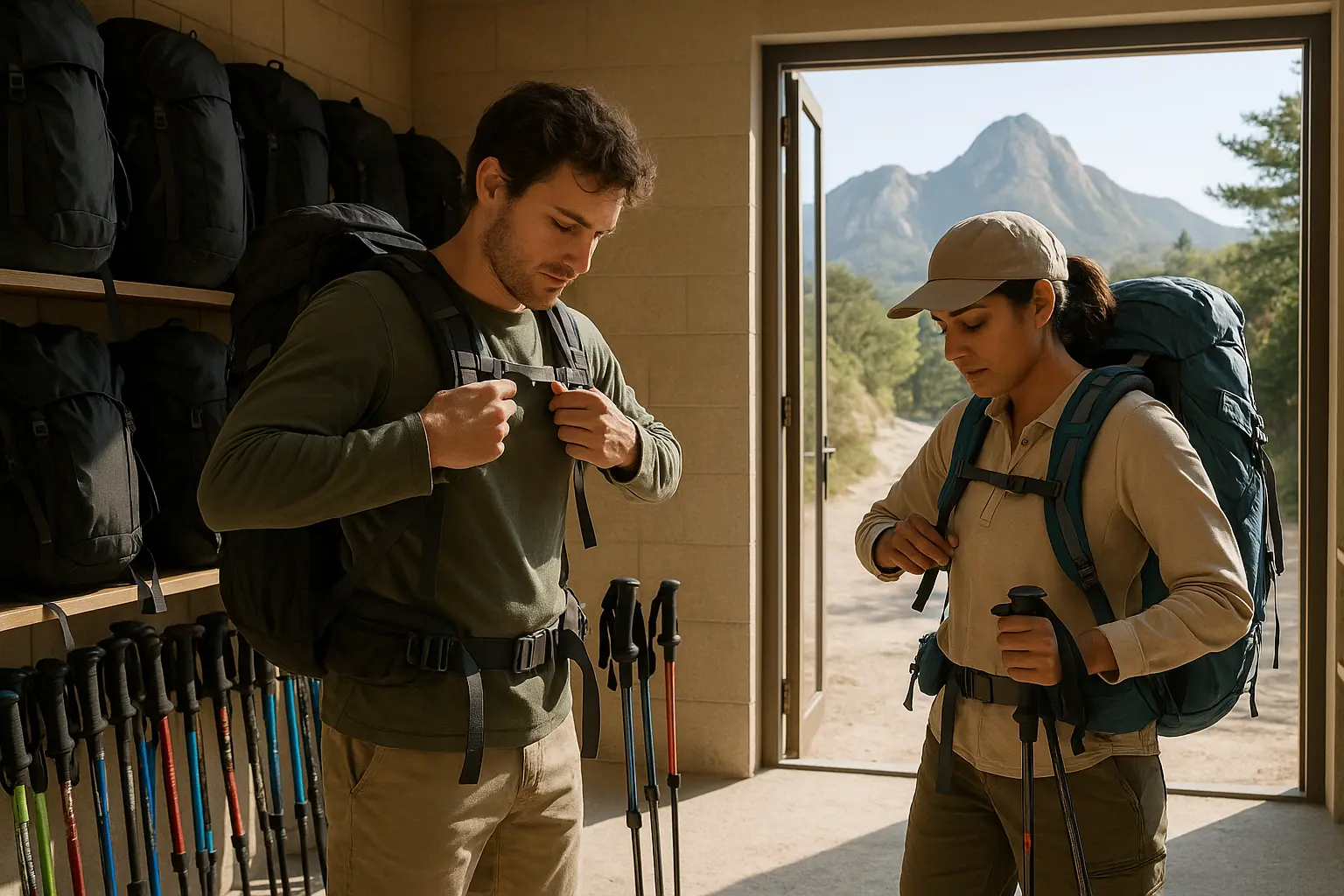
The Seoul Hiking Tourism Centers make an urban mountain day possible even if hiking boots did not fit in your luggage. Official city information lists gear rental, luggage storage, changing rooms, trail guidance and guided programs at centers serving Bukhansan, Bugaksan and Gwanaksan. Reserve equipment or programs ahead, check the weather and turn back when conditions deteriorate.
- 📍 Map: Seoul Hiking Tourism Center Bukhansan
- 🚇 Best transport: Subway plus local bus for Bukhansan or Gwanaksan; a taxi can simplify an early start. A rental car is unnecessary unless continuing outside Seoul.
- Official information: Seoul’s hiking centers and services · Seoul Hiking Tourism Center
Build Three Days That Actually Work
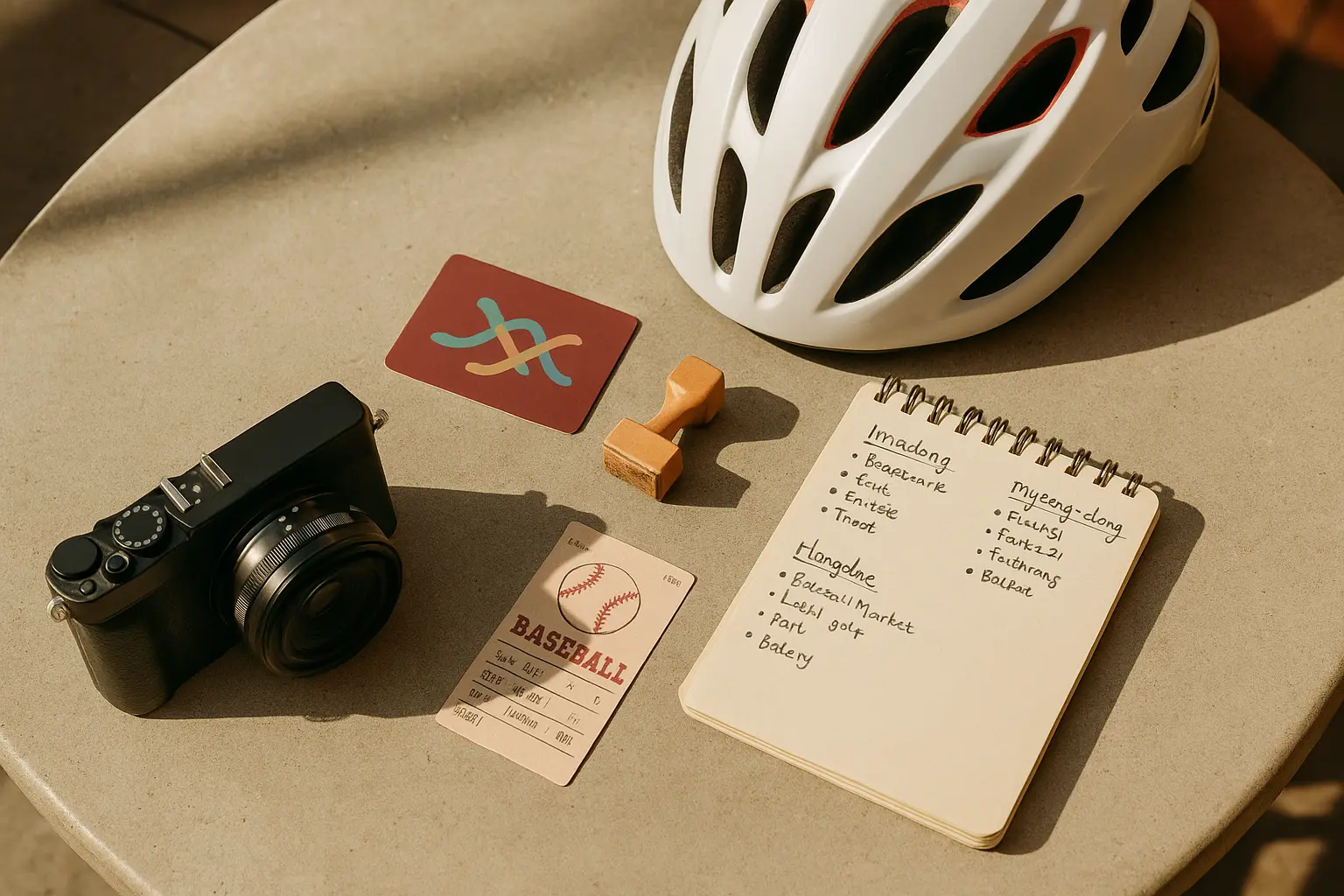
South-Seoul style day: personal color → tren:be → Seongsu or Apgujeong browsing → Hangang ramyeon.
Working-neighborhood day: Euljiro printing alleys → Mullae metalworking streets → early seafood dinner at Noryangjin → coin noraebang.
Culture-and-action day: Insadong craft → temple food → Naksan City Wall, or swap the evening for baseball. Keep hiking as its own half-day and place a head spa or jjimjilbang afterward.
Spring and autumn suit the wall, baseball, cycling and hiking. In summer, book indoor studios and start outdoor activities late. In winter, prioritize jjimjilbang, workshops, shopping, noraebang and weather-appropriate trails. Wherever you go, ask before photographing workers or vendors, keep noise low near homes and verify reservation rules on the day.
Photo credits and licenses
External photographs were cropped, resized and converted to WebP. ShareAlike conditions continue to apply to the relevant derivatives.
- Hero — Seoul night city view: “City of Seoul View From N Seoul Tower” by Penmerahpenbiru — source, CC BY 3.0; cropped, resized and converted to WebP.
- Banpo Hangang Park: “Hangang Park (69068419)” by Jaeseop An — source, CC BY-SA 3.0.
- Noryangjin: “Noryangjin” by ProjectManhattan — source, CC0 1.0.
- Mullae: “Mullae-dong cityscape” by Minseong Kim — source, CC BY-SA 4.0.
- Haebangchon: “Haebangchon, Seoul” by Brit in Seoul — source, CC BY-SA 4.0.
- Seongsu: “Cafe storefront in Seongsu-dong” by CartoonChess — source, CC BY-SA 4.0.
- Bongeunsa: “Bongeunsa Seoul 10” by kallerna — source, CC BY-SA 4.0.
- Naksan: “02025 Park Naksan, Seoul” by Marsilar — source, CC BY-SA 4.0.
- Jamsil Baseball Stadium: “Interior of the Jamsil Baseball Stadium” by Christophe95 — source, CC BY-SA 4.0.
- Insadong: “Ssamzigil in Insadong” by Christian Bolz — source, CC BY-SA 4.0.
- tren:be store photo and Korea Tripbook editorial images: Korea Tripbook.

.jpeg)


Everything above was checked against current official information by Korea Tripbook editors, most recently August 2026.