10 Best Day Trips from Seoul: DMZ, Nami Island, Suwon & More
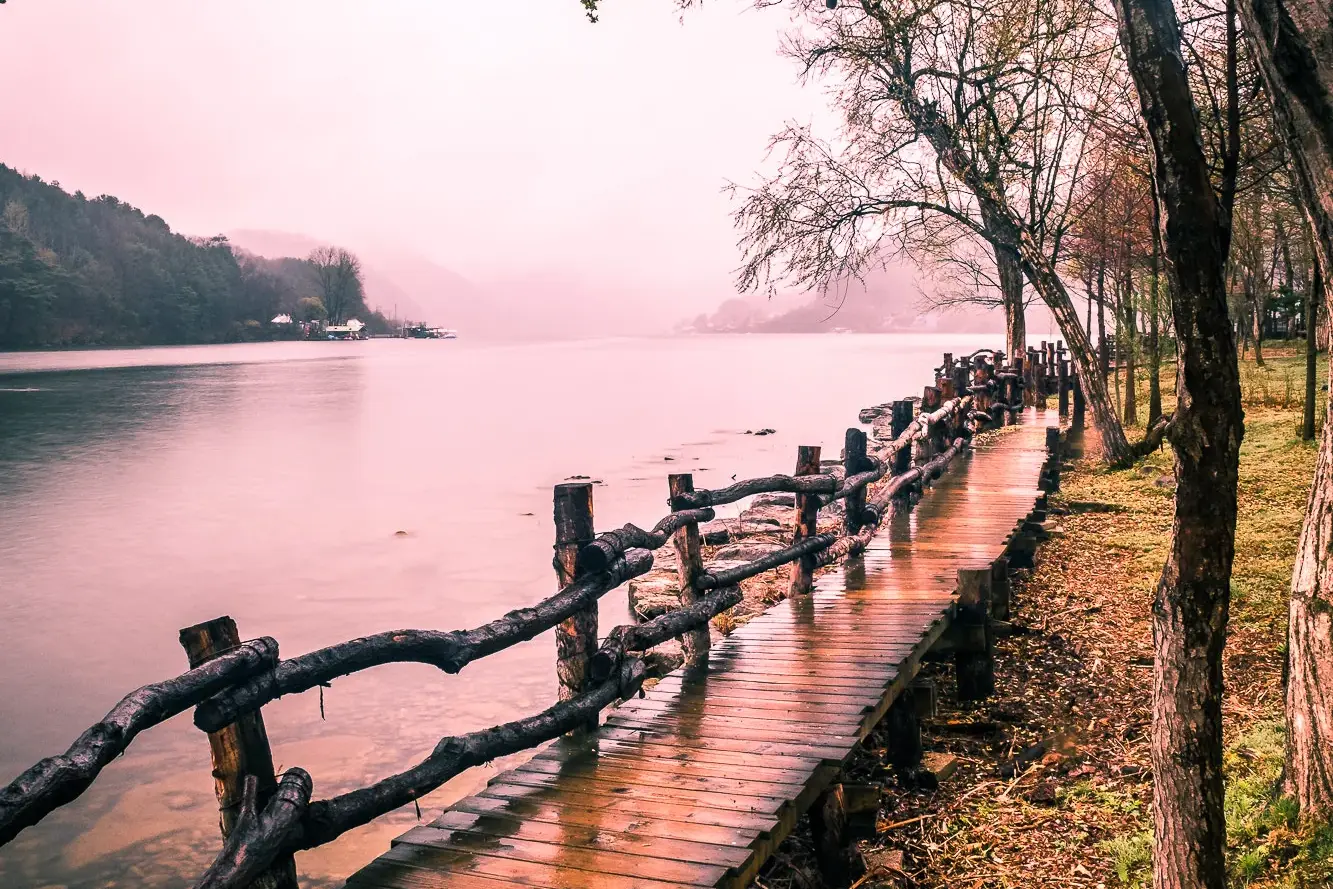
Seoul can keep a traveler busy for weeks, but one day outside the capital reveals a different Korea: a royal fortress city, a tightly controlled border, island mudflats, pine beaches, and mountain lakes. The trick is not choosing the “most famous” place. It is choosing the trip that matches your group, weather, and tolerance for transfers.
These ten destinations are realistic as day trips. Travel times below are planning estimates from central Seoul and vary with departure point, traffic, and connections.
Choose Your Day Trip in 30 Seconds
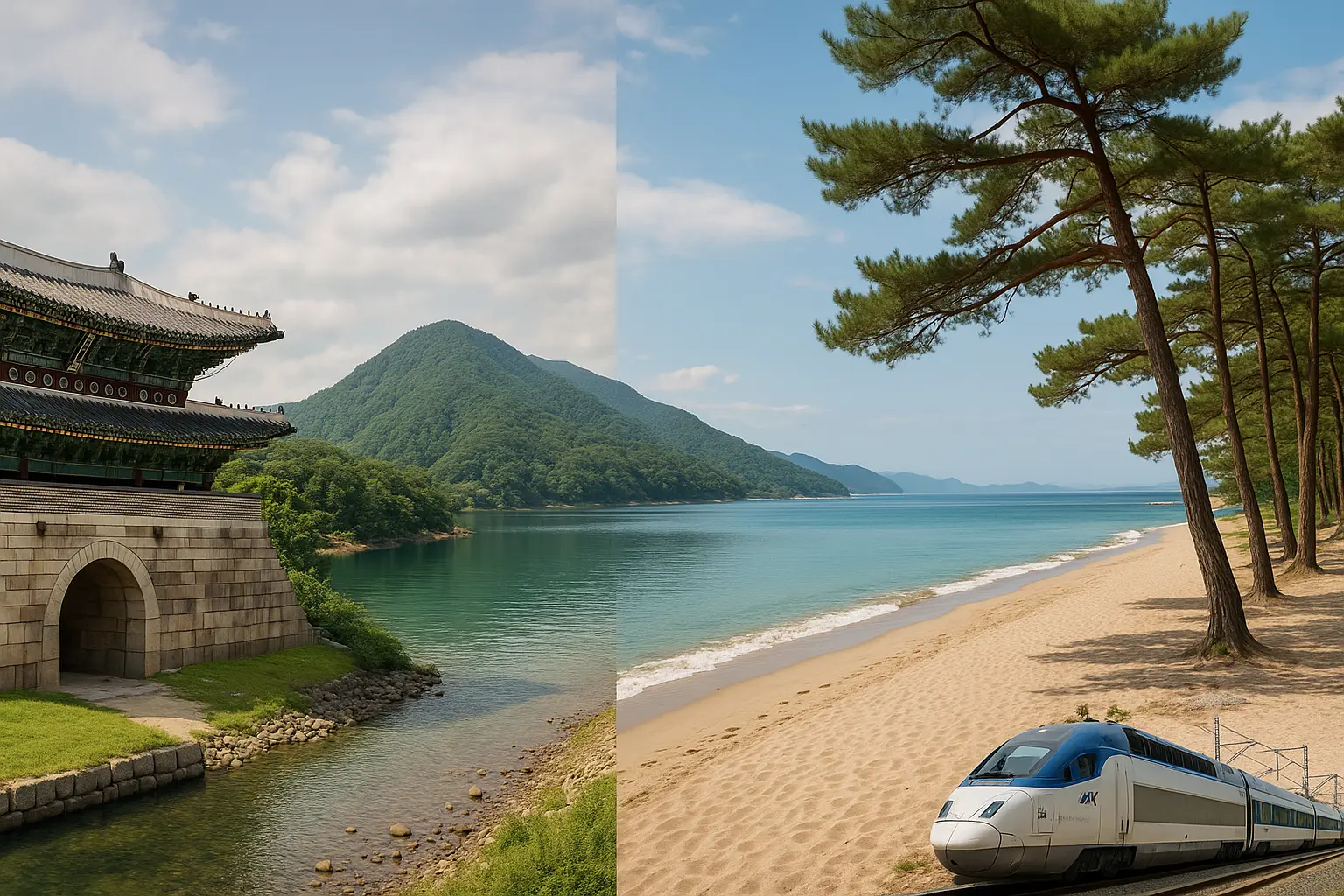
- Suwon — easy: Best for history, cafés, and simple logistics; use the subway or a train.
- DMZ/Paju — moderate: Best for modern history; an organized tour is the practical choice.
- Nami/Gapyeong — busy: Best for scenery, couples, and families; use a tour or combine a train with local transfers.
- Incheon — easy: Best for Chinatown and a modern waterfront; go by subway.
- Everland — high-energy: Best for rides, animals, and families; use a shuttle or public transit.
- Korean Folk Village — moderate: Best for performances and traditional culture; use a bus and, if helpful, a short taxi ride.
- Paju Book City/Heyri — moderate: Best for design, books, and cafés; travel by car or bus.
- Chuncheon — moderate: Best for dakgalbi, lake views, and rail bikes; take the ITX-Cheongchun.
- Gangneung — long but simple: Best for the beach and coffee; take the KTX.
- Daebudo/Jebudo — moderate: Best for mudflats and sunset; a rental car is the practical option.
Best first trip: Choose Suwon if you want freedom and simple transport. Choose a DMZ tour if history is the priority. Choose Gapyeong only if you are happy with a scheduled, transfer-heavy day.
The 10 Best Day Trips from Seoul
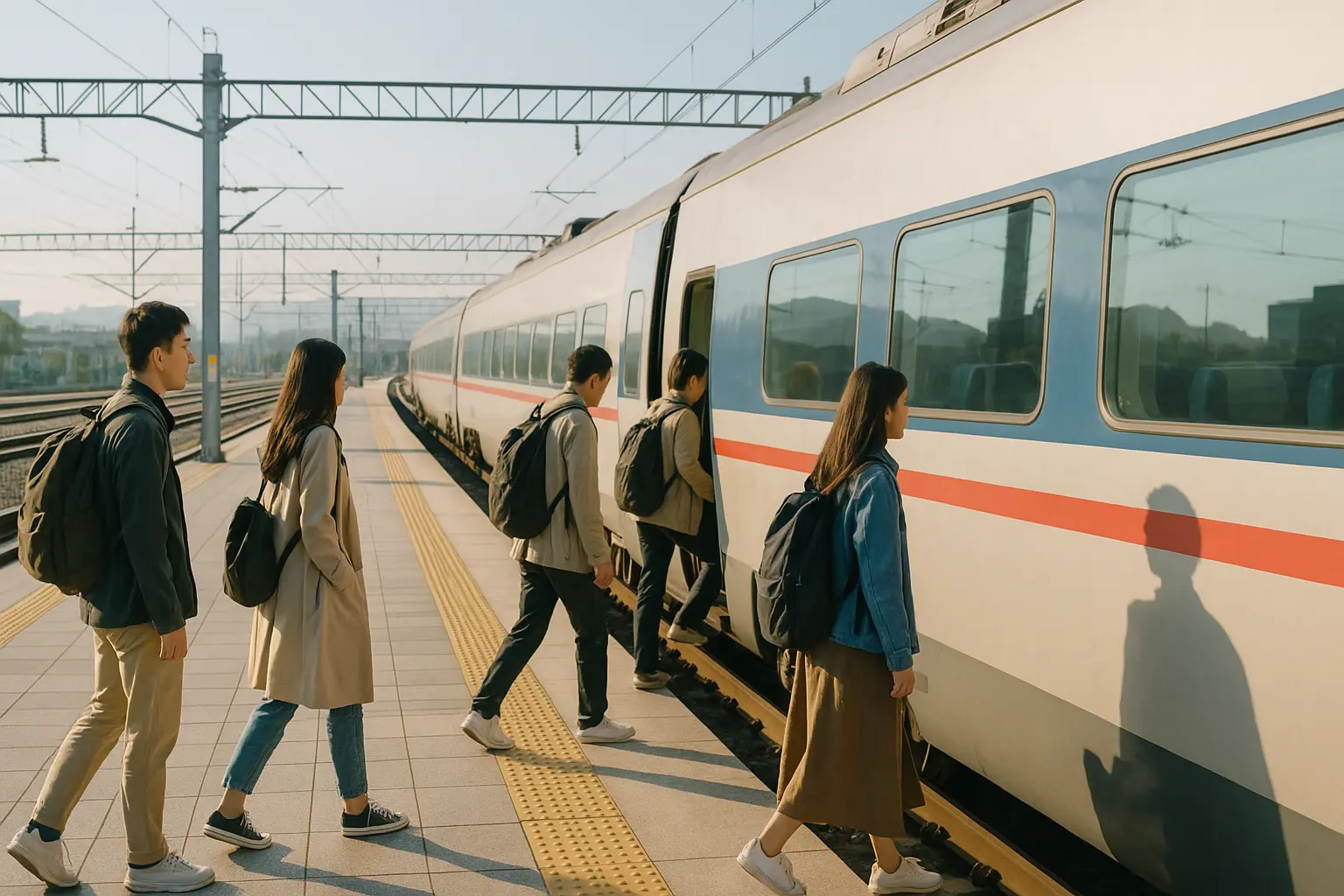
1. Suwon — The Best All-Round Day Trip
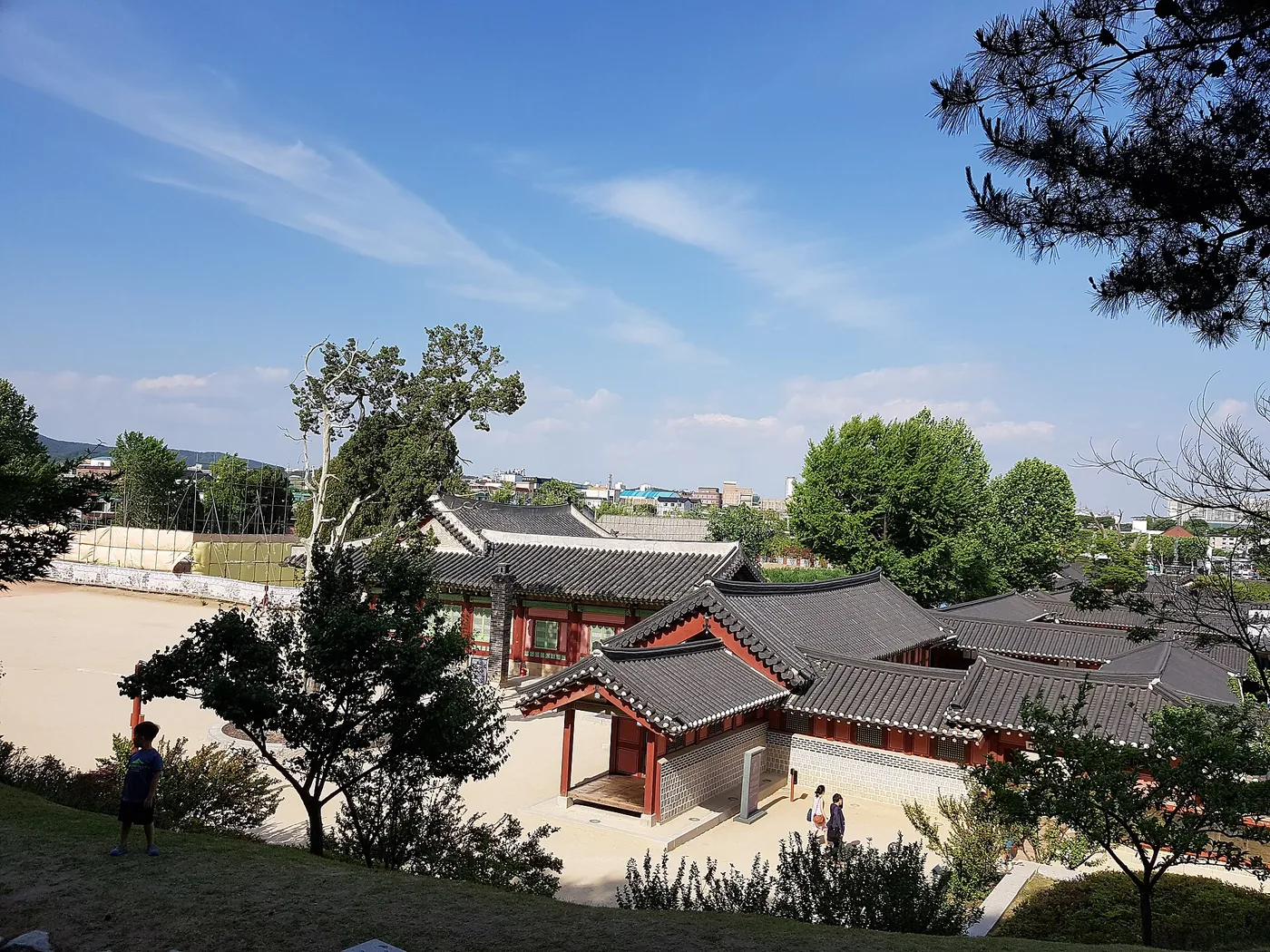
Suwon offers the cleanest combination of history, walking, food, and easy transport. The UNESCO-listed Hwaseong Fortress circuit is about 5.1 kilometers; you can walk a short section or spend two to three hours on the full trail. Add Hwaseong Haenggung Palace, lunch near Paldalmun Market, and a café on Haengnidan-gil.
Regular rail and subway options make it flexible, while the fortress tourist trolley is useful for visitors who want less walking and should be reserved ahead. Search Suwon Hwaseong Fortress.
2. The DMZ and Paju — The Most Meaningful History Trip
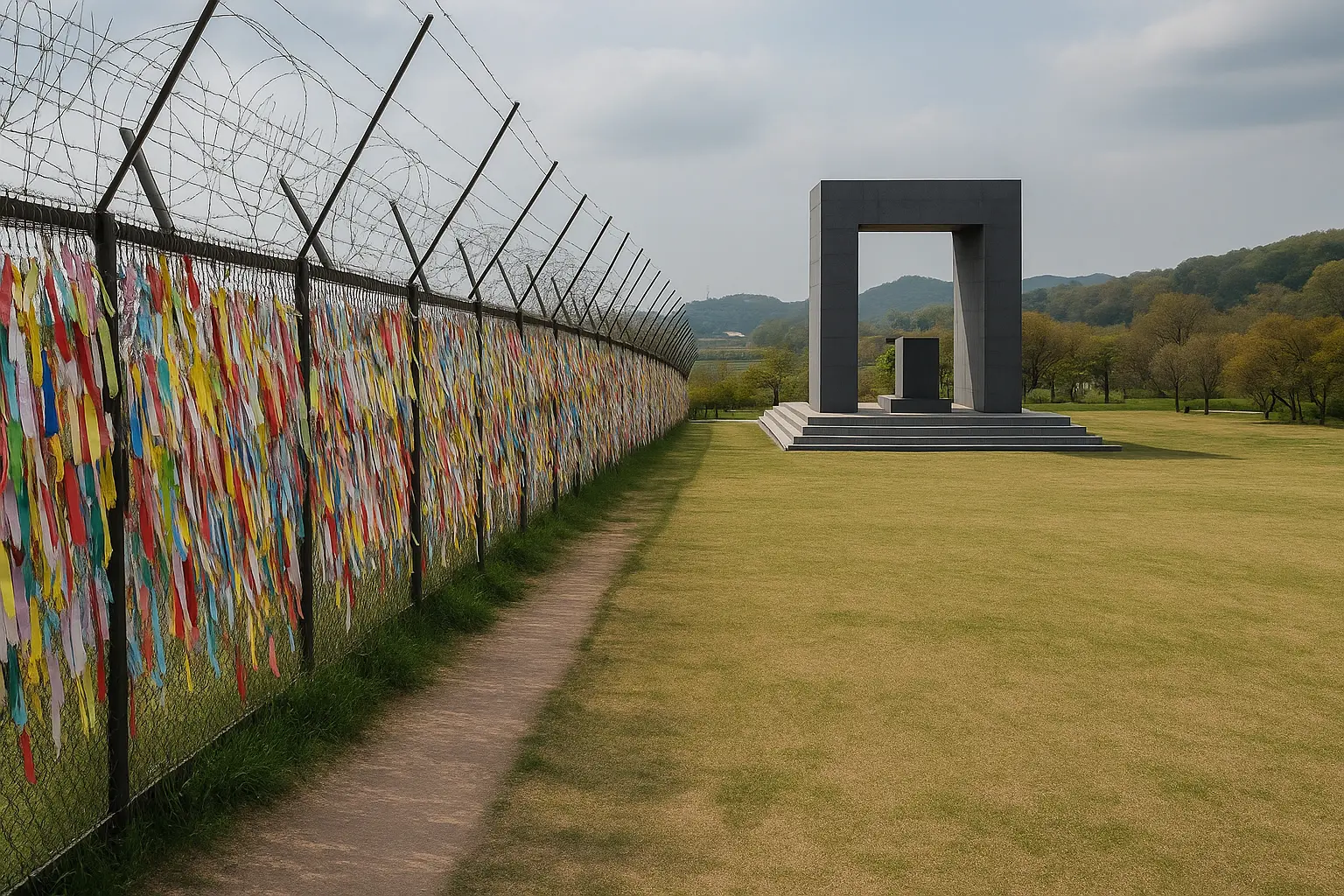
A standard Paju DMZ tour may include Imjingak, the Third Tunnel, and Dora Observatory. Access rules are not ordinary sightseeing rules: some locations require an approved itinerary, identification checks, and a passport. The JSA/Panmunjeom is a separate, tightly controlled product and should never be assumed to be included or operating.
Book an operator that clearly lists every stop, passport requirements, cancellation terms, and return point. The Korea Tourism Organization’s DMZ guide is the safest starting point.
Do not book by one photo: A listing that shows the famous blue JSA buildings may still sell only a general DMZ tour. Read the actual itinerary and current access notice.
3. Nami Island and Gapyeong — Best for a Scenic, Structured Day
Nami Island is easy to enjoy once you arrive: walk, rent a bicycle, picnic, and explore riverside paths. The complexity comes from combining it with Gapyeong Rail Park, the Garden of Morning Calm, or Petite France. They are spread out, and local connections consume time.
Independent travelers should pick two, not four, major stops. A packaged tour is often worthwhile if you want three attractions without negotiating buses and taxis. Search Nami Island.
4. Incheon Chinatown and Songdo — Best Car-Free City Escape
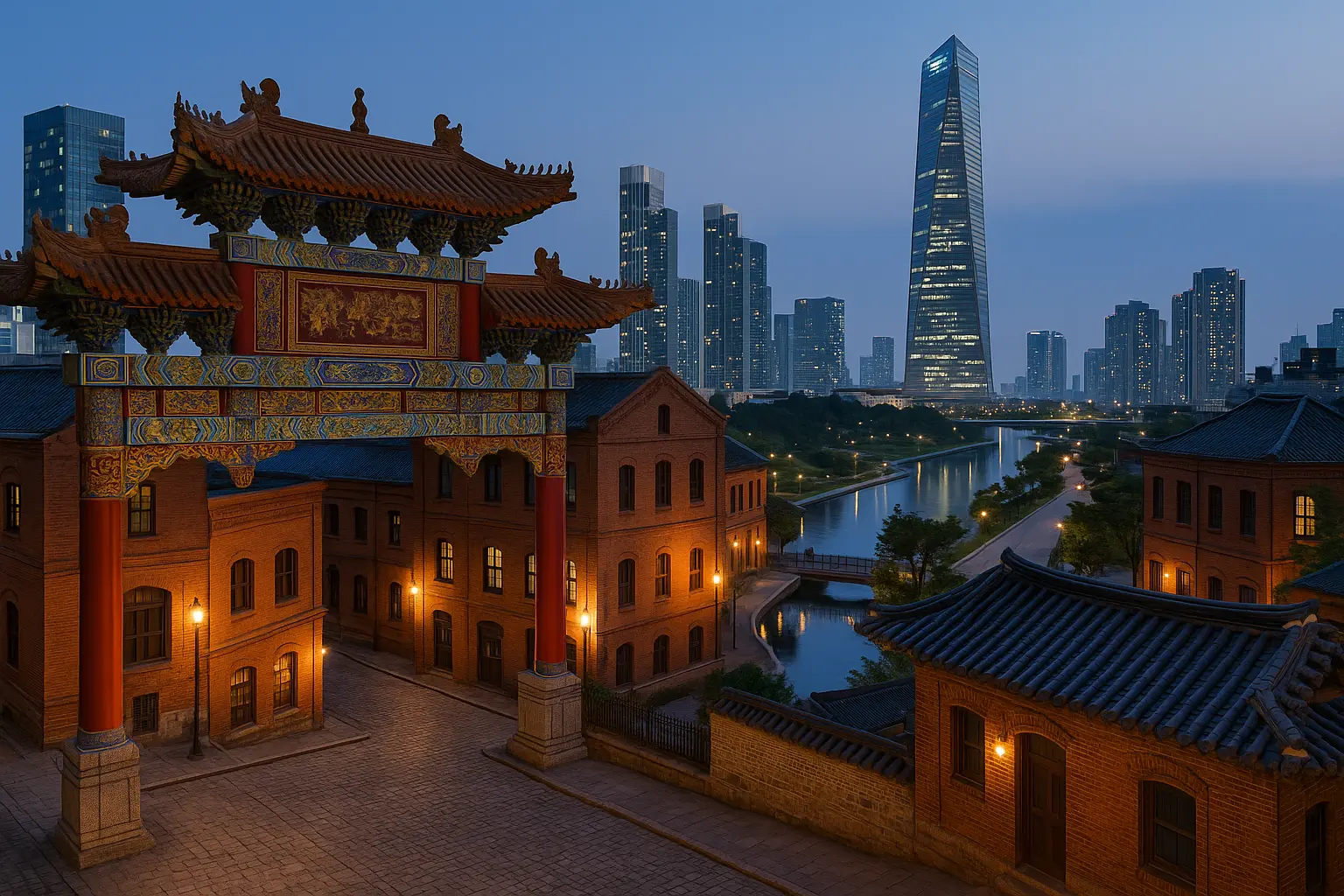
Incheon gives you two very different districts on one subway-accessible trip. Begin around Chinatown and the Open Port Cultural District for late-19th-century streets, museums, and jjajangmyeon. Then continue to Songdo Central Park for modern towers, waterside paths, and seasonal boat activities.
The two areas are not next door; allow transfer time. If old-port atmosphere matters more than checking boxes, stay around Chinatown, Jayu Park, and Sinpo Market instead of racing to Songdo.
5. Everland — Best for Rides and a Full Family Day
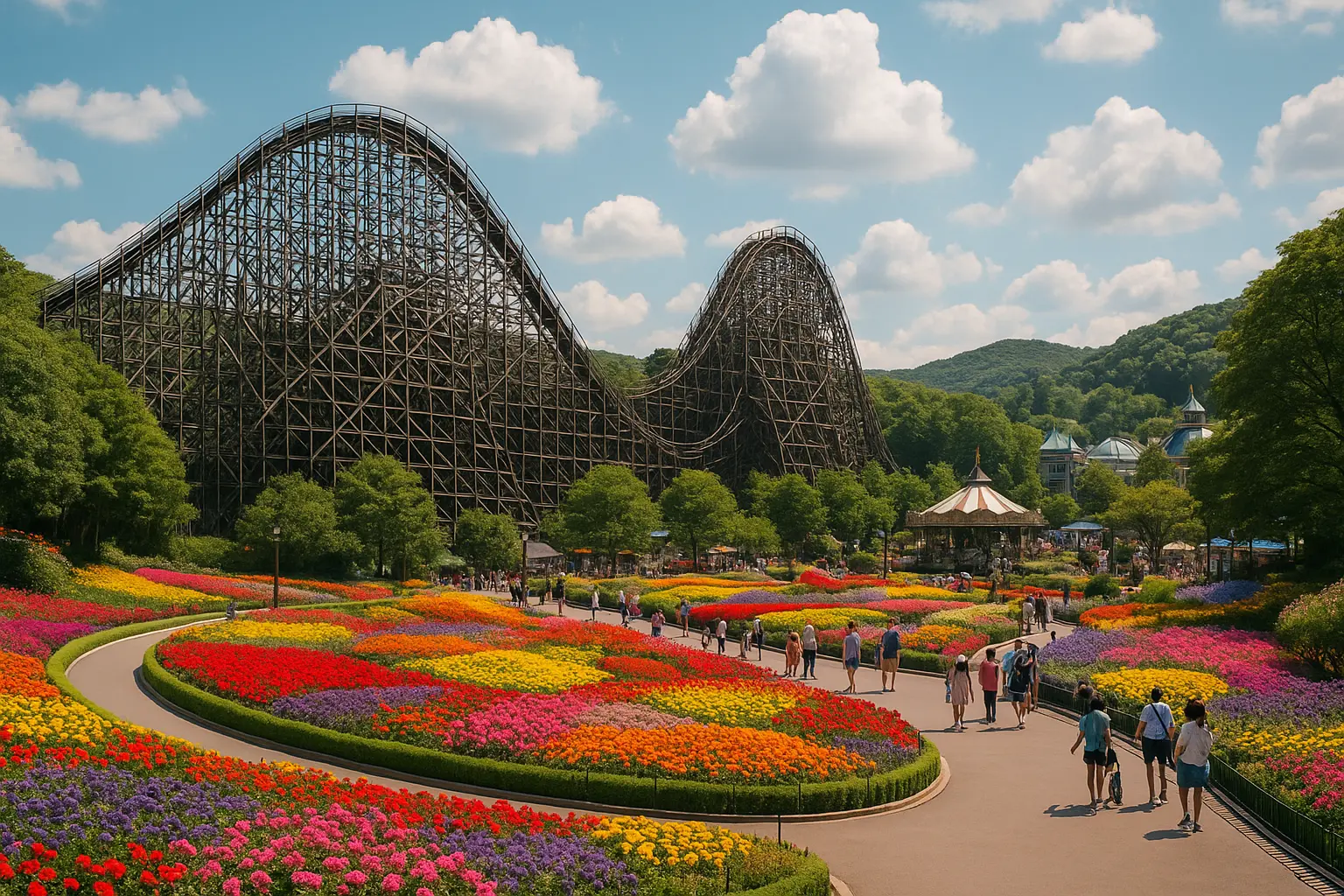
Everland is Korea’s largest theme park, with thrill rides, animal areas, gardens, and seasonal events. It demands a full day and advance choices: buy dated admission if required, install the official app, check attraction restrictions, and arrive near opening.
Public transit is possible via the EverLine and shuttle, but a direct tourist shuttle may save energy. Do not combine Everland with the Korean Folk Village unless you deliberately want abbreviated visits to both.
6. Korean Folk Village — Best Traditional-Culture Day
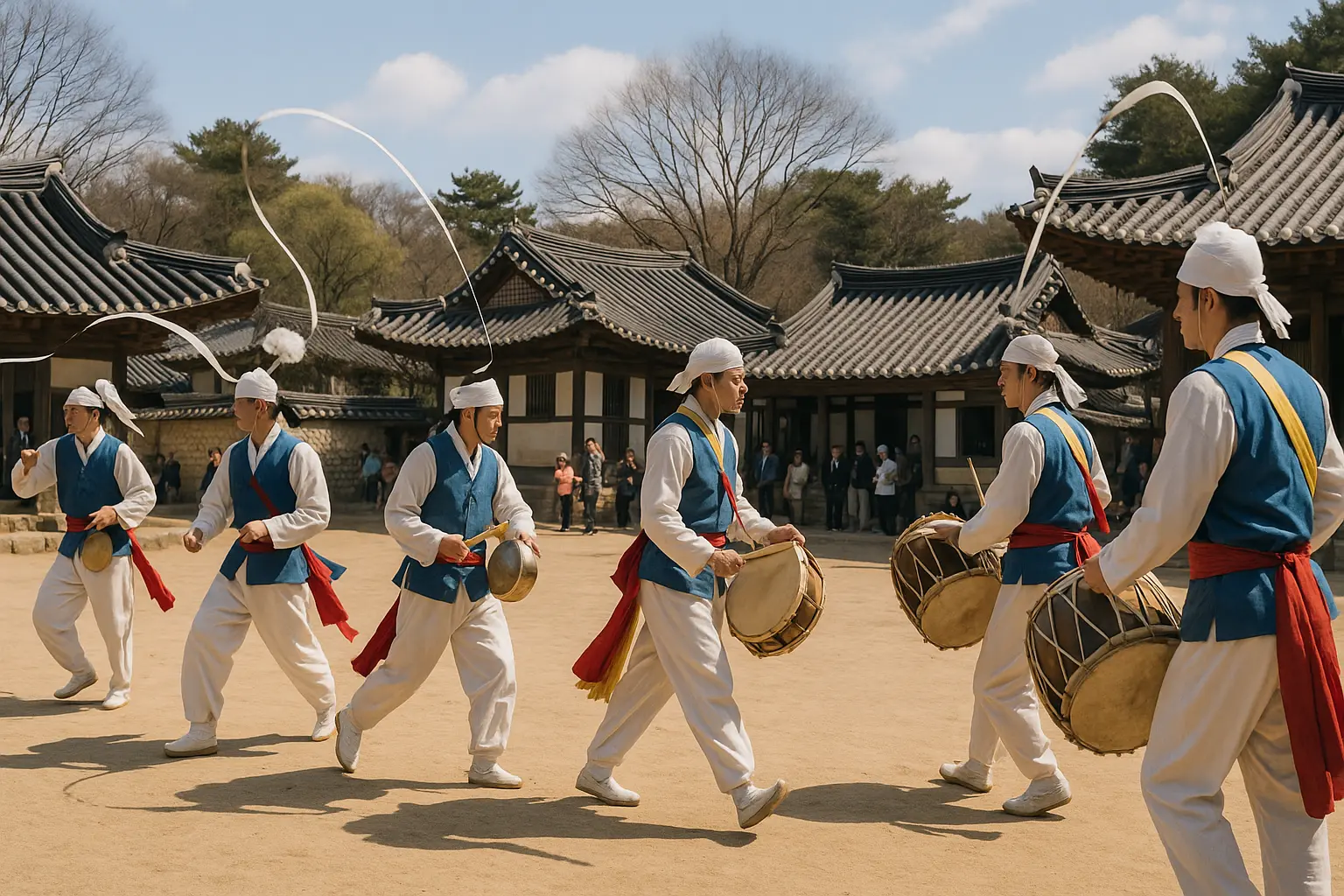
This large open-air village recreates Joseon-era homes, workshops, and community spaces, with performances and hands-on programs. It is especially good for families and travelers who want traditional culture presented in an accessible, lively format rather than through display cases alone.
Check the official Korean Folk Village page for that day’s performance timetable; hours and shows vary. Card payment is common, but keep a little cash for small snacks or activities.
7. Paju Book City and Heyri Art Village — Best for Design and Slow Travel
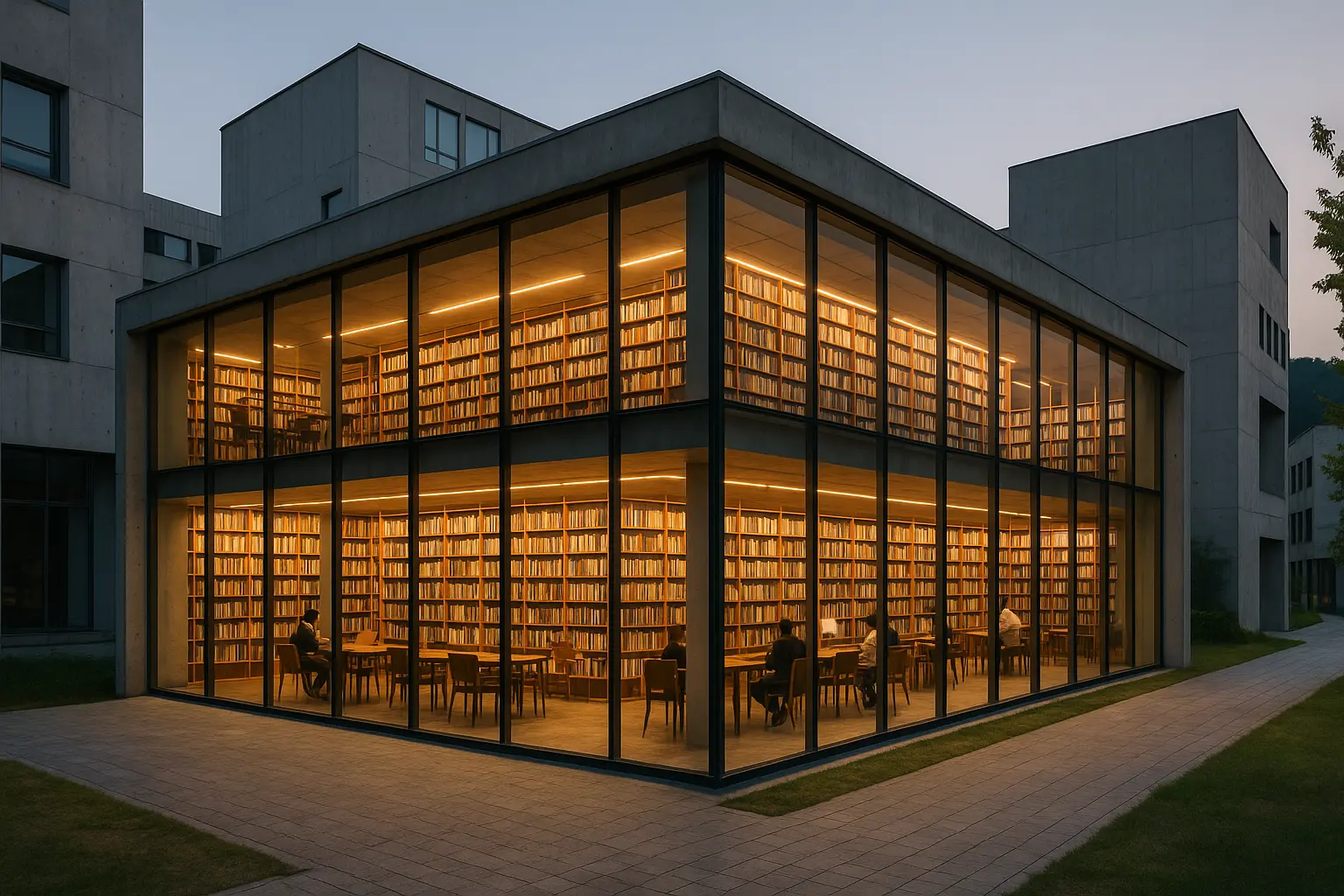
Paju Book City brings together publishers, bookstores, museums, and distinctive architecture; the Forest of Wisdom is its signature interior. Nearby Heyri adds galleries, studios, and cafés. This is a calm, design-led day rather than a blockbuster attraction.
A car makes the pair much easier. By public transport, choose one district and verify closing days—independent cultural spaces often close on Monday or change hours.
What to skip: Do not add a premium outlet, Heyri, Book City, and Imjingak to one day. Paju distances look small on a map but local movement is slow without a car.
8. Chuncheon — Best for Food, Lake Views and Rail Bikes
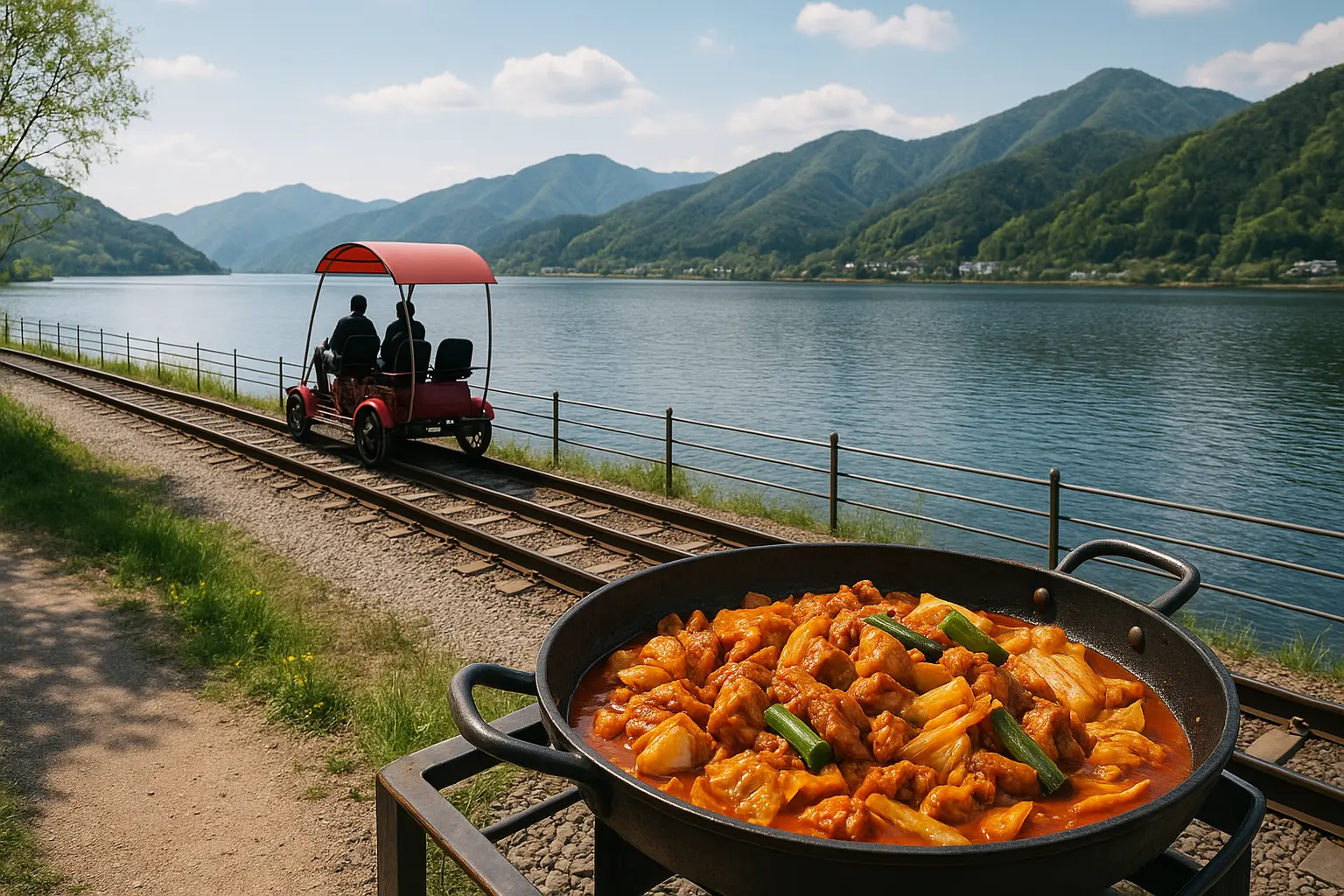
The ITX-Cheongchun makes Chuncheon an approachable rail trip. Build the day around one outdoor anchor—such as a rail bike or lakeside area—then eat dakgalbi in the city. Rail-bike products have fixed departures and can sell out; reserve before choosing train times.
Chuncheon and Nami Island are sometimes marketed together, but each can fill a relaxed day. Combine them only if you prioritize highlights over unhurried exploration.
9. Gangneung — Best Beach Day by Fast Train
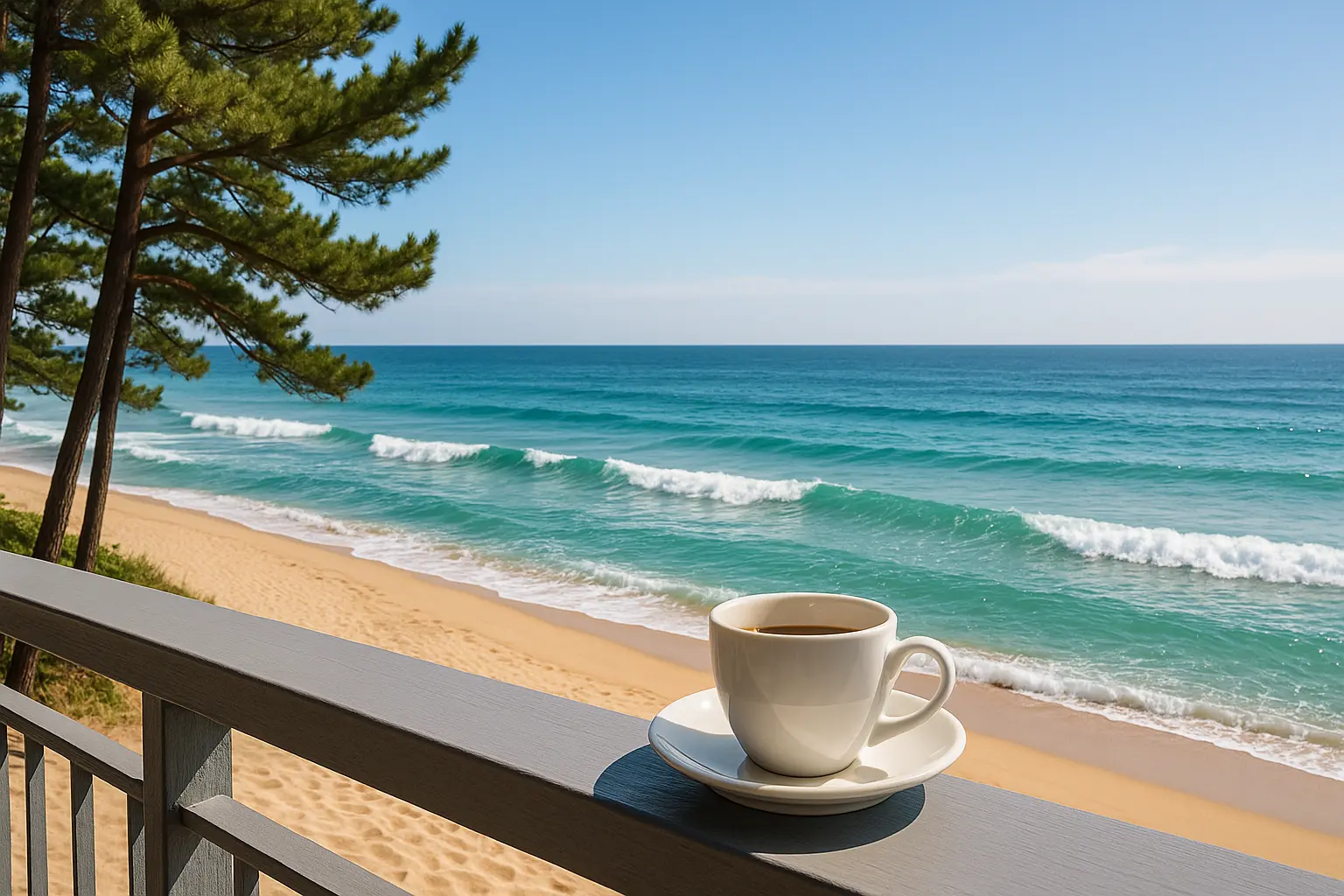
KTX service turns the East Sea into a possible day trip. Gangneung works best with a tight theme: Anmok Coffee Street and the beach, or Gyeongpo’s lake-and-coast area. Book both train directions early on weekends and holidays.
This is not a cheap spontaneous detour, and local taxis or buses still connect the station to the coast. It is worth it when seeing the East Sea matters more than maximizing attractions.
10. Daebudo and Jebudo — Best Rental-Car Coastal Escape
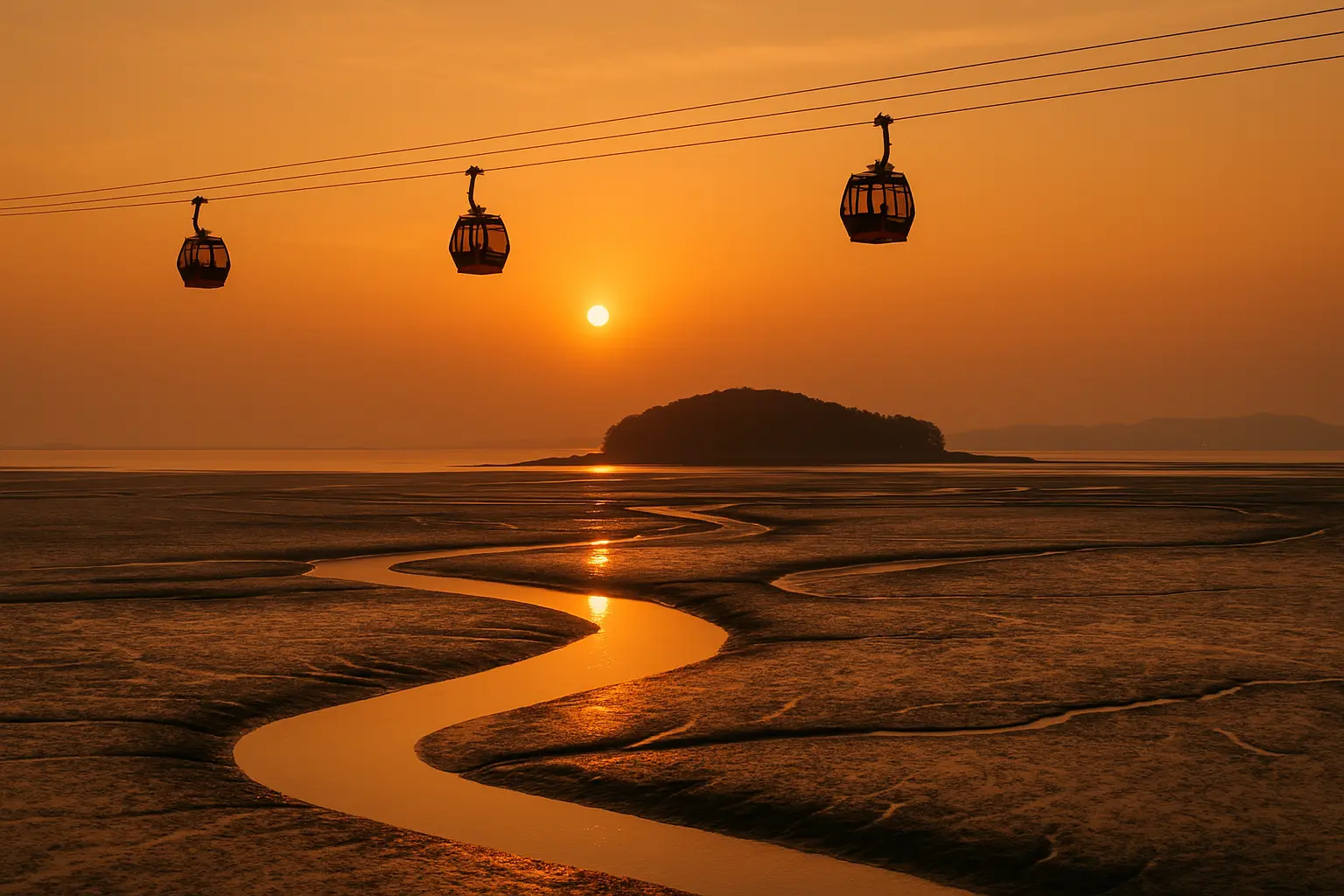
These connected west-coast destinations deliver a landscape Seoul cannot: huge tidal flats, fishing villages, grilled clams, and low-tide island paths. Daebudo is stronger for a road-trip circuit and Gubongdo sunset; Jebudo has the famous sea road and the Seohaerang cable car.
Choose one island as the main destination. For hands-on clam digging, reserve an official fishing-village program; an exposed mudflat is not automatically open for harvesting. Search 대부도 or 제부도 in Naver Map for more reliable road guidance.
Which Day Trips Work Without a Car?
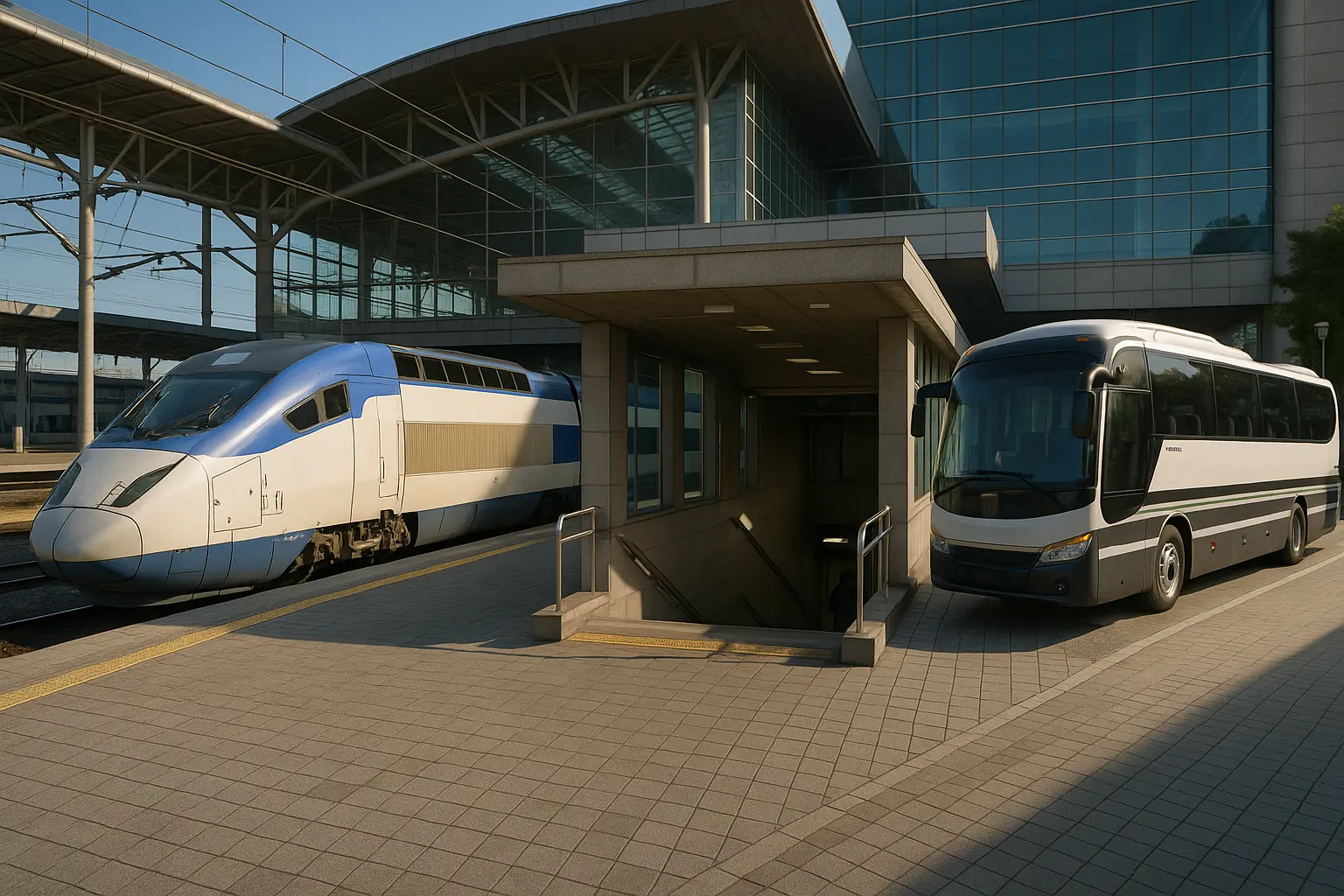
Suwon and Incheon are the easiest independent choices: both connect to Seoul’s rail network and have useful sights clustered around a manageable route. Gangneung is also straightforward once KTX seats are booked, although you still need a local bus or taxi between the station and coast. Chuncheon works well by ITX-Cheongchun if you reserve any fixed-time rail-bike activity first.
For the DMZ, an organized tour is normally more practical than independent transport because controlled attractions have their own access rules. Gapyeong is possible by train and local transfers, but a tour becomes attractive when combining multiple spread-out sights. Everland and the Korean Folk Village are reachable by transit or shuttle, while Paju’s creative districts and the Daebudo–Jebudo coast are substantially easier by car.
The Best Match for Each Season
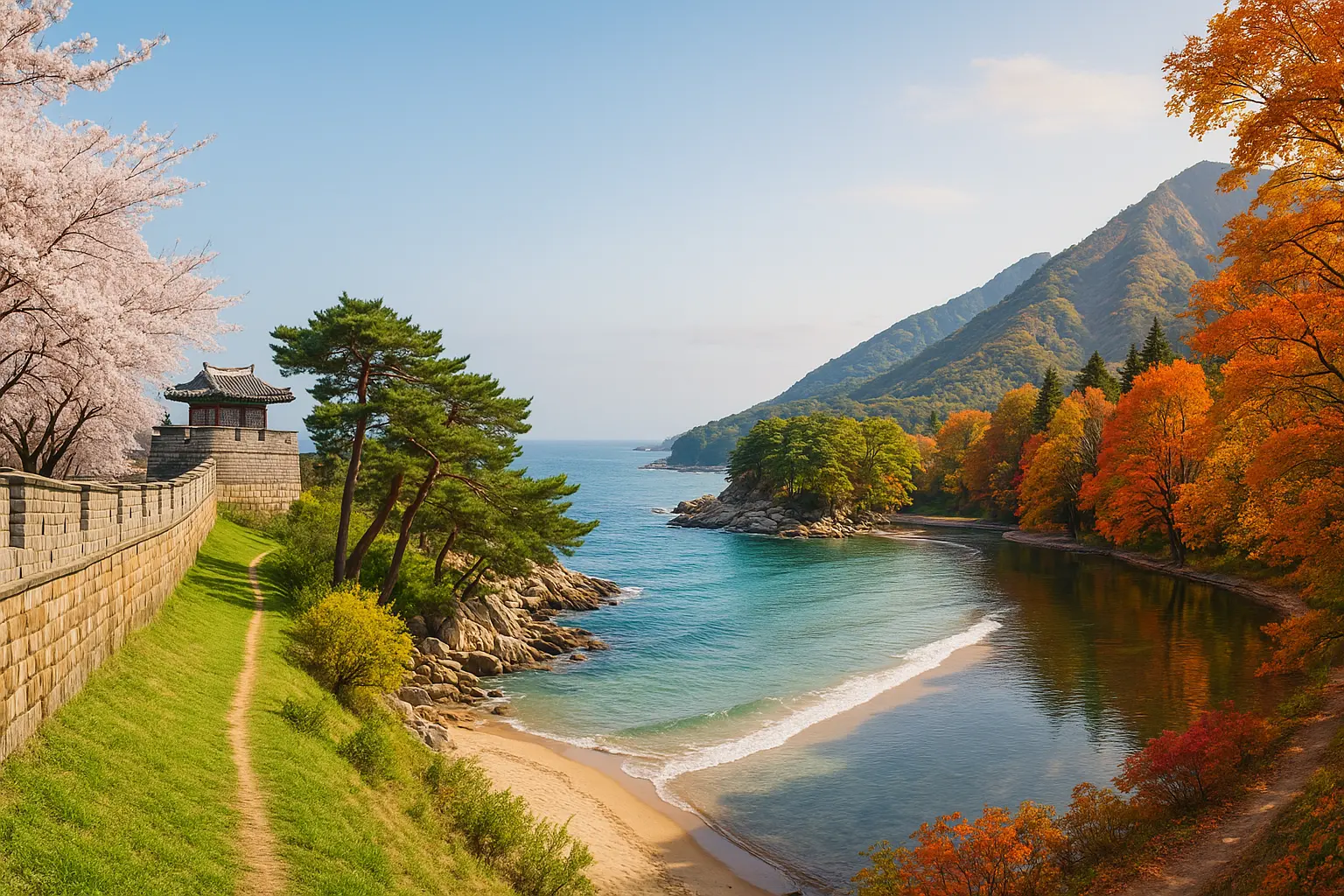
Spring is excellent for Suwon’s walls, Paju’s outdoor districts, and Gapyeong gardens. Summer favors Gangneung’s coast, Everland on a carefully planned day, and early west-coast mudflat sessions—although heat, monsoon rain, and storms can change plans. Autumn brings the most comfortable walking weather and strong foliage around Gapyeong and Chuncheon. In colder months, prioritize destinations with substantial indoor stops, such as Incheon’s museums and markets or Paju’s bookstores, and check shortened attraction hours.
Weather matters more than a generic “best month.” Strong wind can stop a cable car, rain can cancel outdoor performances, and military or operational conditions can alter DMZ access. Keep one Seoul backup plan until the controlled part of the day trip is confirmed.
Transport, Season and Booking Rules That Save the Day
For rail trips, reserve limited-seat KTX or ITX services, but remember that Seoul’s local departure station may not be the one closest to your hotel. For road trips, avoid Friday evening and sunny Sunday return traffic. Spring and autumn are comfortable but crowded; summer rewards early outdoor starts; rain makes Suwon, Paju, and Gapyeong plans less forgiving.
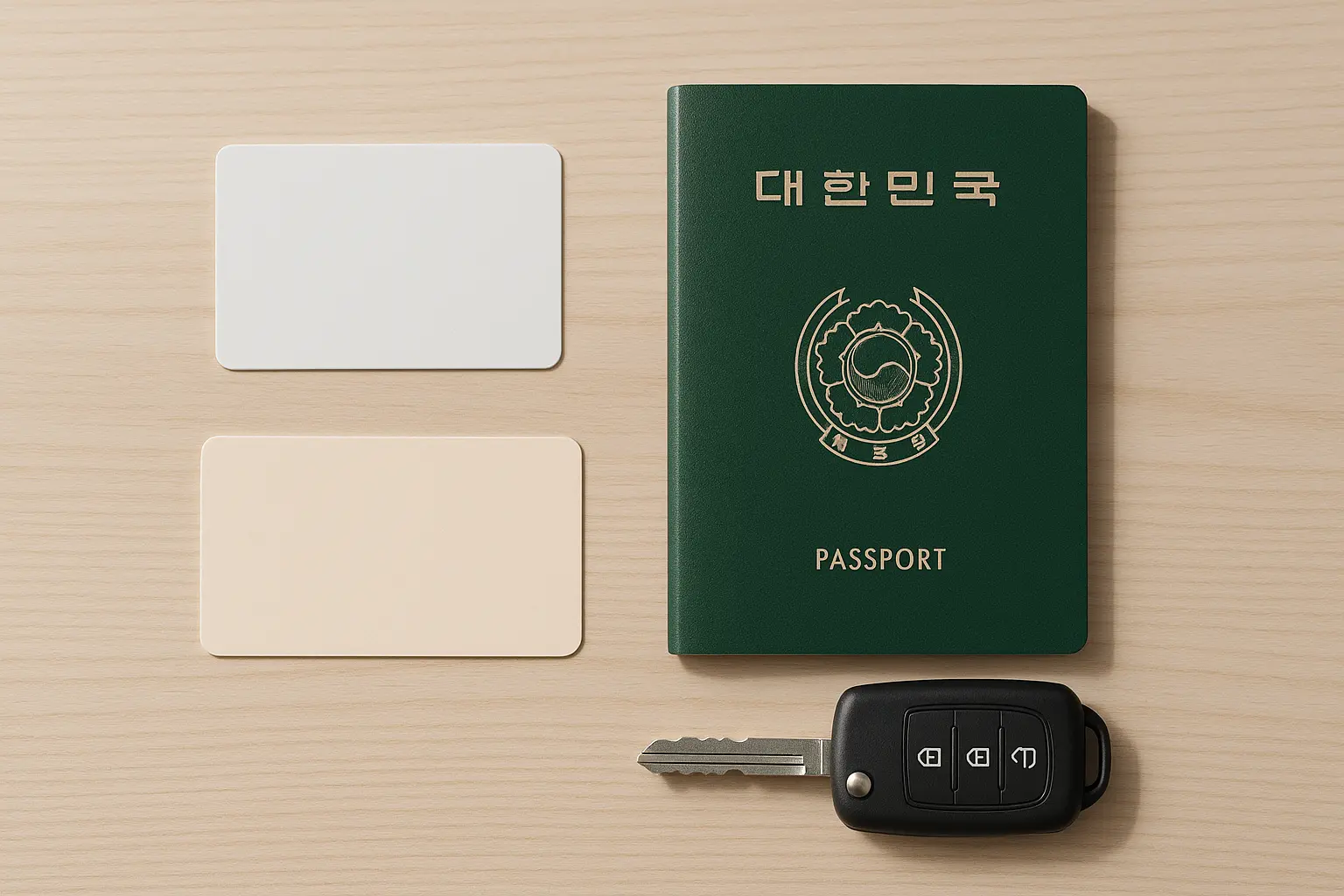
DMZ visitors need original identification. Mudflat visitors need tide confirmation. Theme-park visitors need the current app and attraction schedule. Travelers driving in Korea should confirm license and International Driving Permit requirements directly with the rental company.
Booking tip: Lock in only the limited item first—the train, DMZ tour, rail bike, or tidal-flat session. Keep cafés and secondary sights flexible.
Navigation tip: Save the destination’s Korean name before departure. Naver Map and Kakao Map generally provide better local routing than relying on an English place pin alone.
Our Honest Shortlist
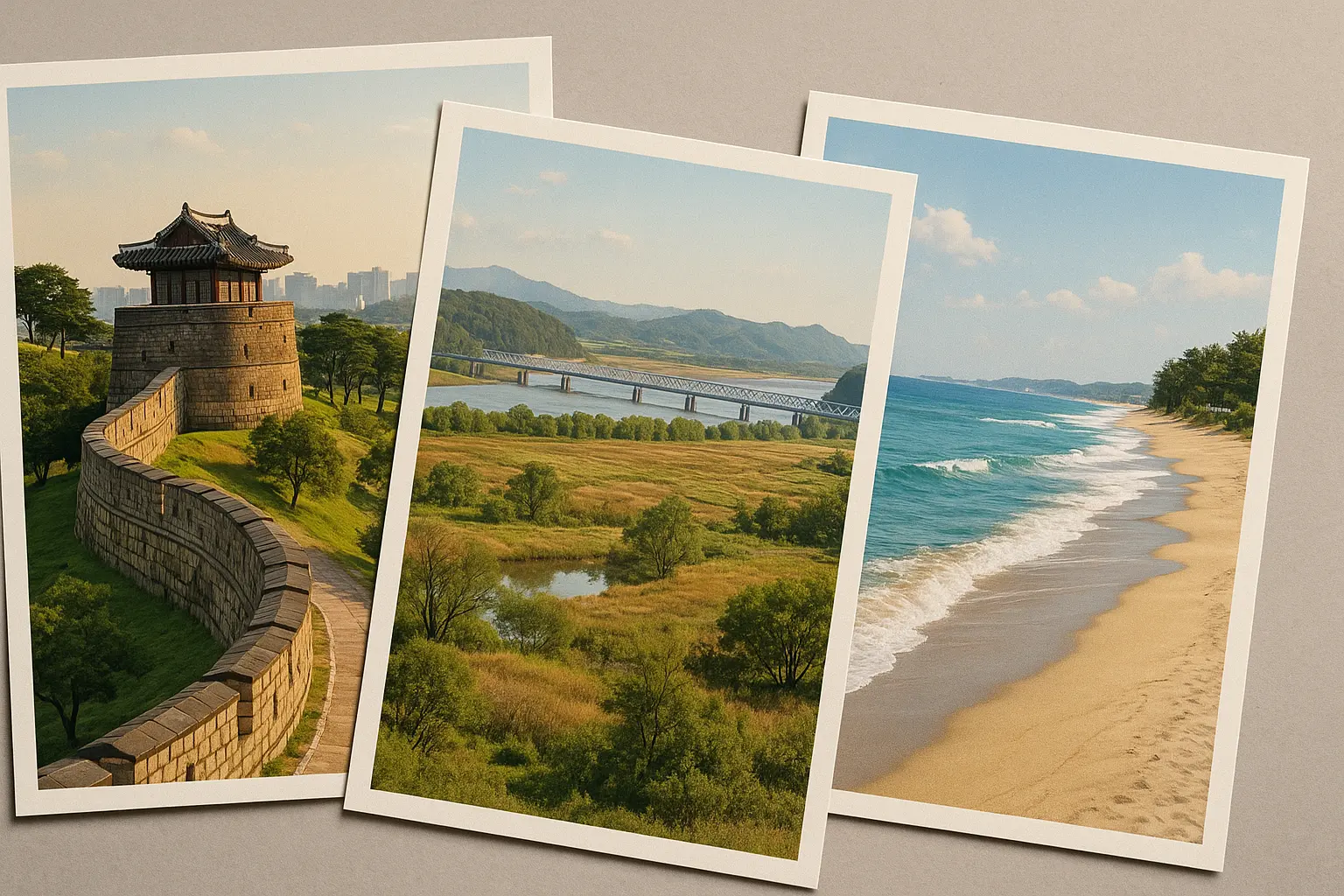
If you have only one free day, pick Suwon for the least friction, the DMZ for historical significance, Nami/Gapyeong for a curated scenic tour, or Gangneung for the emotional payoff of reaching the sea. Choose Daebudo/Jebudo only when someone is comfortable driving; choose Everland only when the park itself is the goal.
Information was checked in August 2026 against official tourism and attraction sources. Timetables, access rules, tide windows, show schedules, and admission policies change, so verify the limited or controlled part of your trip again before departure.
Photo credits
- Hwaseong Haenggung Palace and Suwon rooftops — Adil, Wikimedia Commons, CC BY-SA 4.0; resized and converted to WebP.
- Tree-lined path and bicycles on Nami Island in Gapyeong — Giuseppe Milo, Wikimedia Commons, CC BY 3.0; resized and converted to WebP.

.jpeg)